


Door Threshold Strips: How to Choose the Right One
Door threshold strips, also known as door bars or threshold bars, cover the join between two flooring surfaces at a doorway. They create a neat, secure finish, protect exposed floor edges and help provide a smooth transition between rooms.
Whether you're joining carpet to laminate, connecting two sections of vinyl flooring or finishing a doorway where the floor levels change, choosing the right threshold strip helps your flooring look better and last longer.
At Best4Flooring, we stock a range of door threshold strips, including carpet door bars, vinyl cover strips, single and double door thresholds, Z profiles and angle edge thresholds. Choose from our standard aluminium range or our Premier range of luxury finishes to find a practical solution for your home or commercial space.
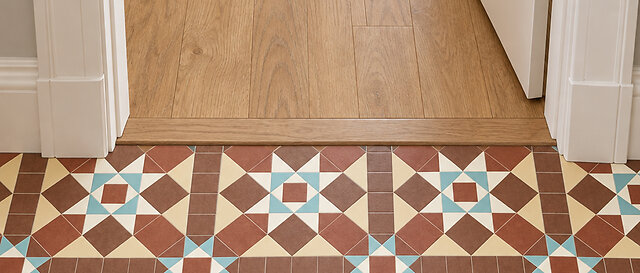
Which Door Threshold Strip Do I Need?
The best door threshold depends on the flooring materials on either side of the doorway, whether the floors are at the same height and how the threshold will be fitted.
Here's a quick guide to choosing the right profile:
| Flooring combination or requirement | Recommended threshold |
|---|---|
| Vinyl flooring joining vinyl at the same height | Vinyl flooring cover strip |
| Vinyl or LVT meeting a lower surface | Angle edge door threshold |
| Carpet joining carpet | Carpet cover strip or double door threshold, depending on the profile required |
| Carpet meeting vinyl, laminate or tiles | Single door threshold or Z door threshold |
| A secure fixing in a busy doorway | Screw-down threshold |
| A quick fit on a suitable smooth surface | Self-adhesive threshold |
Always check the product specifications before ordering to make sure the profile suits your flooring thickness, subfloor and installation requirements.
What Should You Consider When Choosing a Door Threshold?
How will the threshold be fitted?
Door threshold strips are available with different fixing methods, depending on the product and the surface you're fitting them to.
Screw-down thresholds are mechanically fixed to a suitable subfloor and are often a good choice for busy doorways. Carpet-gripping profiles use spikes or ribs to help hold carpet edges securely in place.
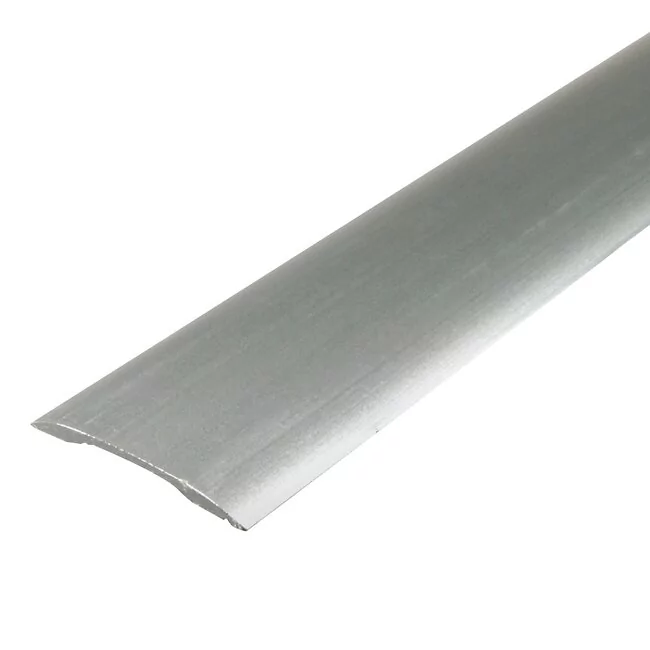
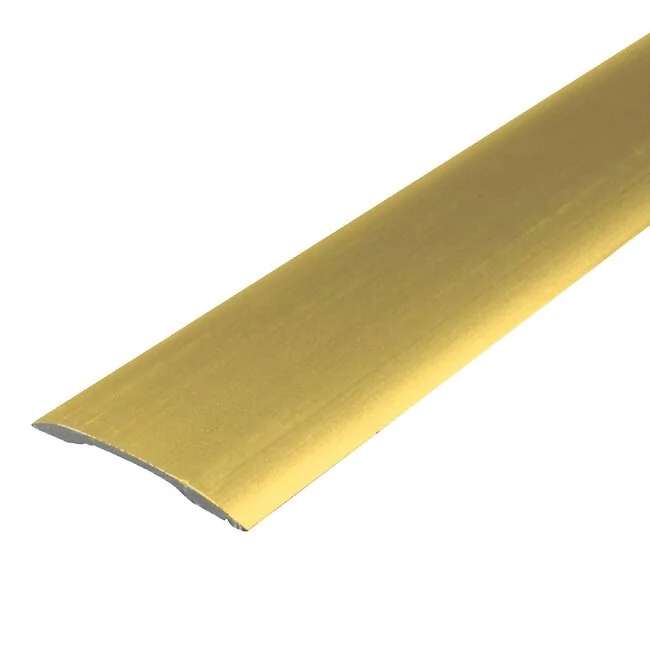
Self-adhesive thresholds have an adhesive backing for straightforward installation on suitable, clean and smooth surfaces. They're particularly useful for certain vinyl-to-vinyl transitions where a quick, neat finish is needed.
Always follow the manufacturer's fitting instructions and check that the fixing method is compatible with the flooring and subfloor.
Where will the door threshold be used?
Threshold strips are useful throughout the home, from hallways and bedrooms to kitchens and living areas. They're also used in commercial spaces where flooring joins need a neat, durable finish.
The most important consideration is the flooring combination. A doorway between two carpeted rooms needs a different profile from one where carpet meets laminate or vinyl.
For areas where the floor levels differ, choose a suitable transition profile designed for the size and direction of the height change.
Which threshold finish will match your flooring?
A door threshold can blend into your flooring or provide a contrasting detail.
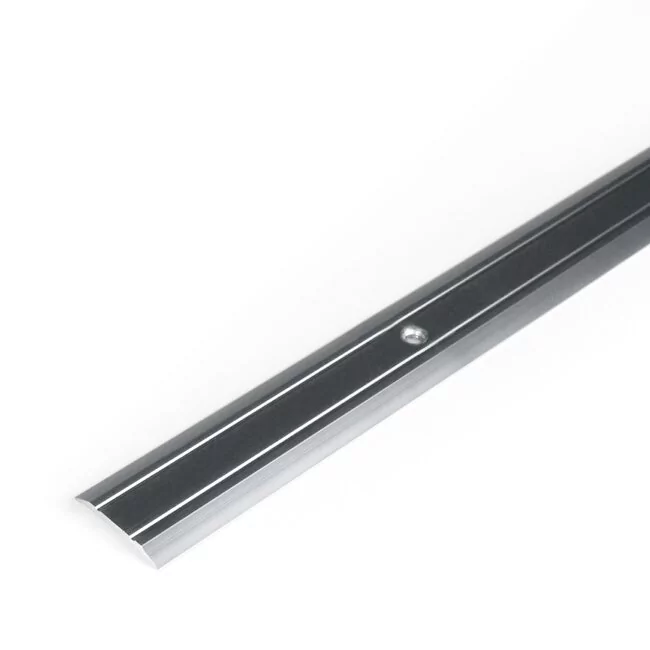
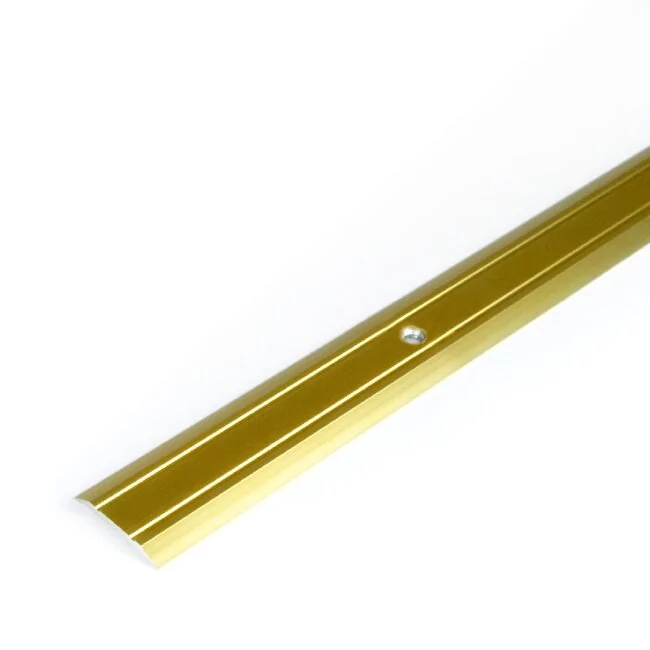
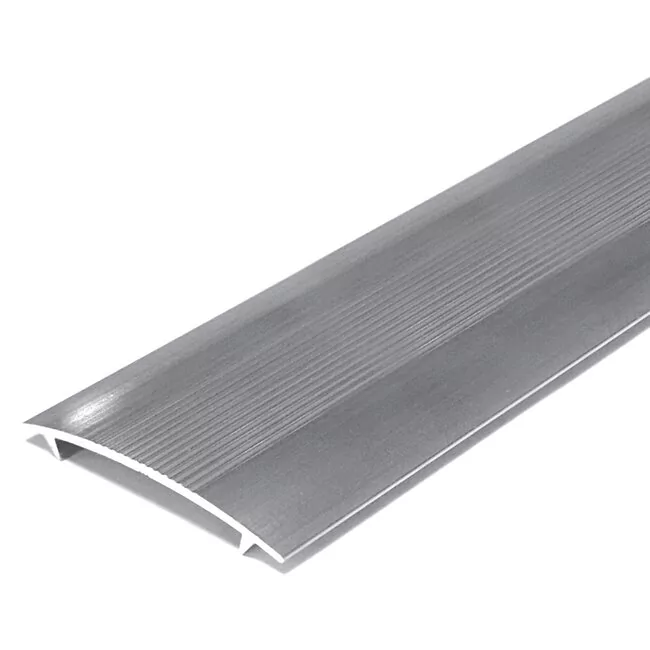
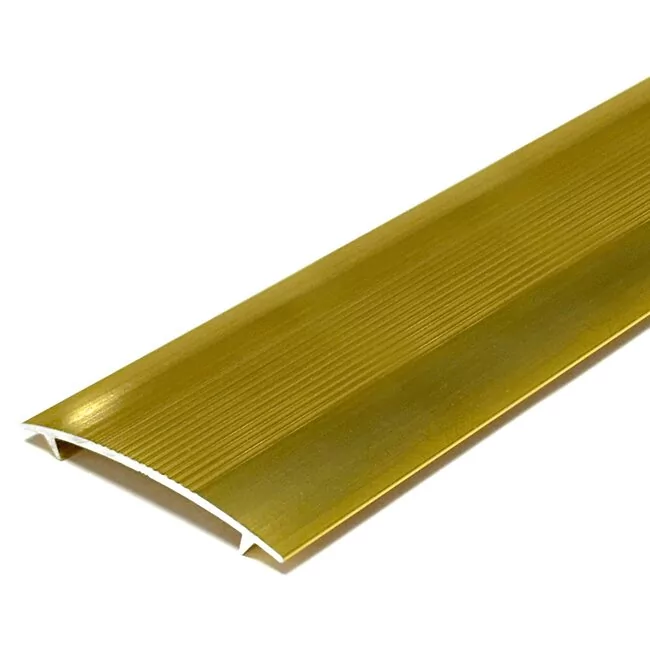
Our standard aluminium range offers practical, understated finishes, while our Premier range includes options such as brushed pewter, chrome and antique bronze. These metallic finishes can complement wood-effect laminate, luxury vinyl tiles (LVT), carpet and contemporary interiors.
Consider your door handles, furniture and other metal finishes when choosing a colour for a coordinated look.
How durable are door threshold strips?
Door thresholds help protect exposed flooring edges from everyday wear, including fraying, lifting and damage around the join. A correctly fitted threshold also helps keep the transition secure underfoot.
Aluminium thresholds are a practical option for frequently used doorways, thanks to their strength and range of available profiles. Choose a product suitable for the expected foot traffic and the flooring materials being joined.
How do you clean and maintain door thresholds?
Most aluminium door threshold strips need very little maintenance. Wipe them with a damp cloth and a mild cleaner as part of your usual cleaning routine.
Avoid abrasive cleaning products that could scratch or dull decorative finishes. It's also worth checking periodically that the threshold remains securely fixed.
What Are the Different Types of Door Threshold Strips?
Different threshold profiles are designed for different flooring combinations. Understanding how each one works will help you choose the right door bar for your project.
A vinyl flooring cover strip is designed to cover a join between two vinyl flooring surfaces that meet at the same height. It creates a tidy finish across the seam and helps protect the exposed edges from catching or lifting.
These strips can be used with suitable sheet vinyl and luxury vinyl tile (LVT) flooring. Depending on the product, you can choose between screw-down and self-adhesive options.
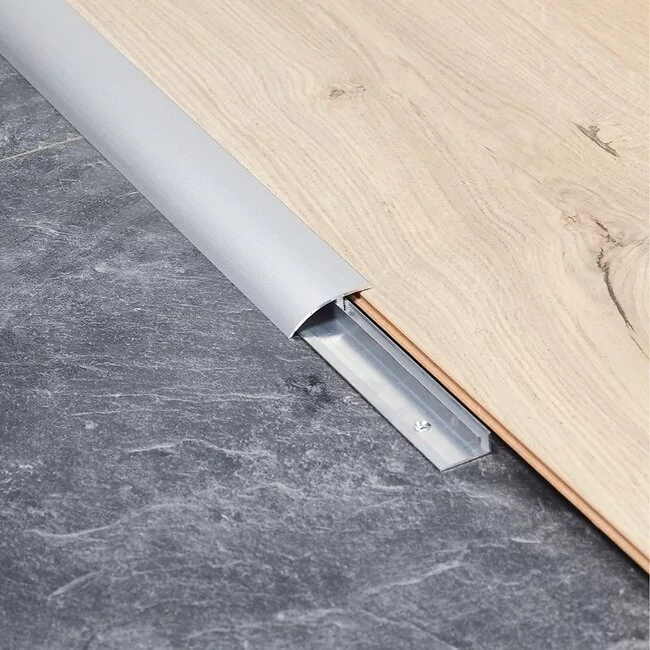
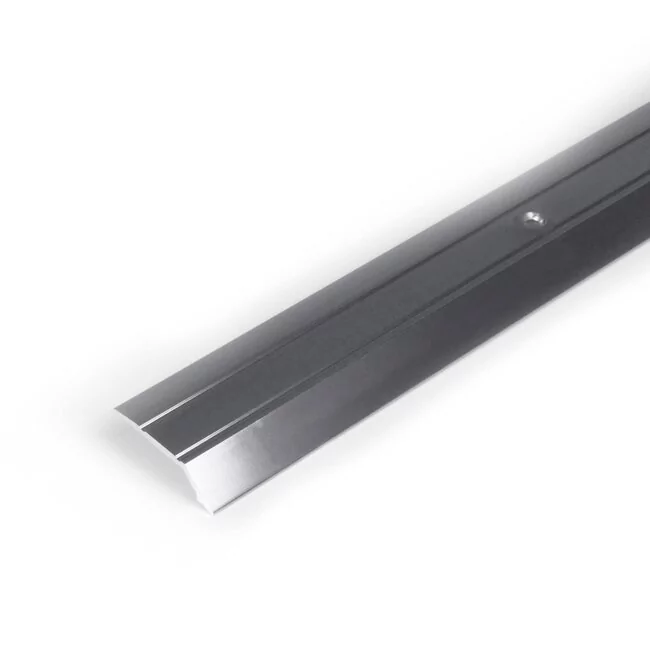
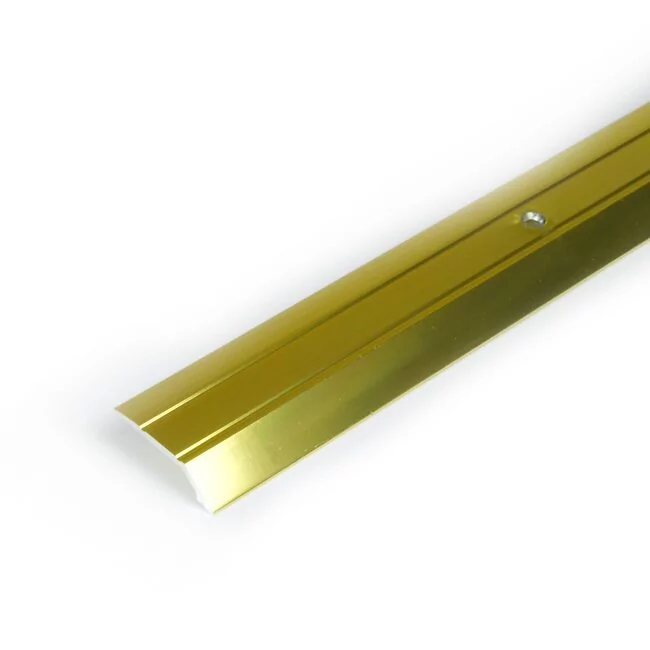
An angle edge door threshold is designed to finish and protect an exposed flooring edge where there is a step down to a lower surface.
Its angled profile covers the edge of the upper flooring and helps create a neater transition. It's particularly useful where sheet vinyl or LVT finishes against a lower floor, provided the height difference is suitable for the profile.
Choose from the available screw-down and self-adhesive options according to your flooring and installation requirements.
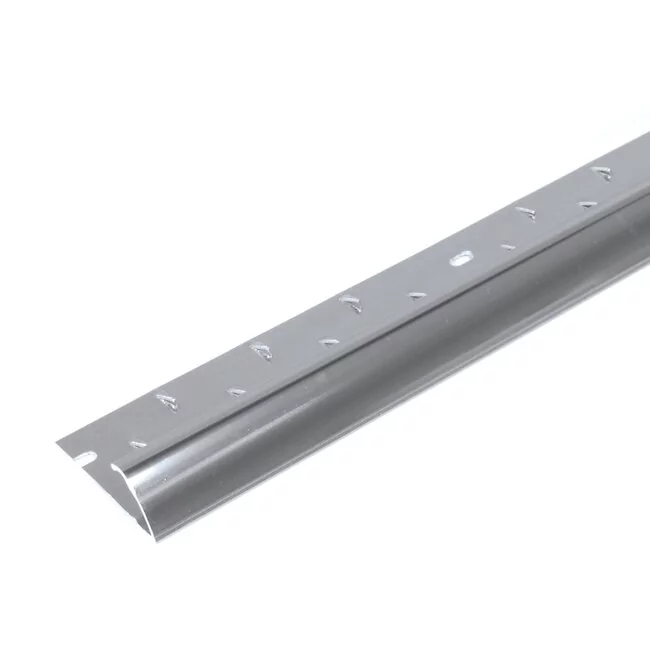
A carpet cover strip is designed to join two carpet edges in a doorway. Its gripping ribs help secure the carpet on either side of the join, protecting the edges and creating a tidy finish.
This screw-down profile is a practical option for carpeted hallways, bedrooms and other frequently used areas where two sections of carpet meet.
If you're updating your hallway, explore our hallway carpet.
A single door threshold is commonly used where carpet meets a hard flooring surface, such as vinyl, laminate or tiles.
One side features spikes that grip the carpet edge, while the other side covers the adjoining hard floor. This helps hold the carpet in place and creates a clean transition between the two materials.
It's a popular choice for doorways where you want to join carpet to a hard floor with a secure, screw-down fixing.
A double door threshold is designed to join two carpet edges. Spikes on both sides grip the carpet, helping to hold each edge securely in place.
The screw-down fixing provides a stable join when fitted correctly, making this type of threshold suitable for doorways between two carpeted rooms.
A Z door threshold is another option for joining carpet to a hard floor, including suitable laminate, vinyl and tiled surfaces.
Its shaped profile allows one side to grip the carpet edge while the other provides a finished surface over the adjoining flooring. This makes it useful where carpet meets a hard floor and you want a neat, defined transition.
A Z profile can also be useful at the bottom of a staircase where carpet meets hard flooring, provided the profile is suitable for the particular floor levels.
If you're finishing a staircase renovation, browse our stairway carpet.
Why Are Door Threshold Strips Important?
Door thresholds might seem like a small finishing detail, but they serve an important purpose. They help protect exposed floor edges, cover suitable gaps between flooring surfaces and create a more professional-looking finish.
The right threshold can also make a transition between rooms more comfortable to walk across. Where floor levels differ, choosing a profile designed for that change is particularly important for a safe, even transition.
"A threshold might seem like a small detail, but it helps to give a truly smooth transition between rooms. Get it right and your floor edges are protected, the finish looks neat and it'll last for years."

Paul Humphries
Managing Director, Best4Flooring
Explore Our Door Thresholds
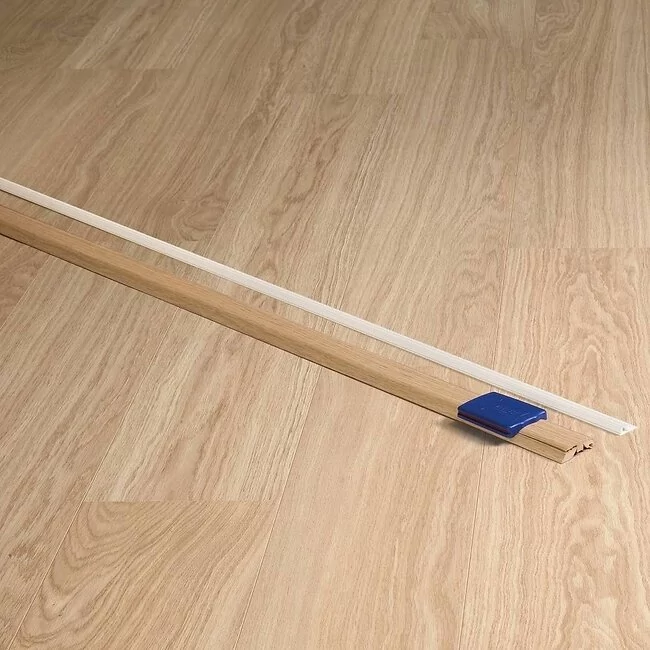
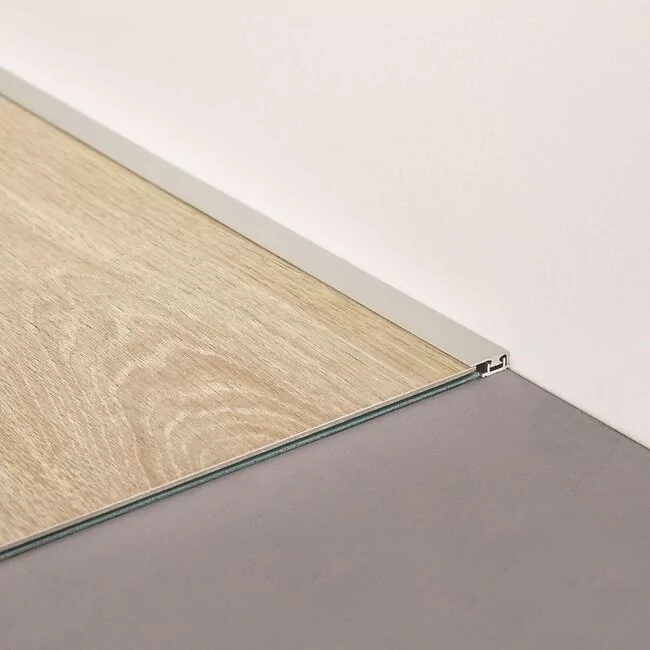
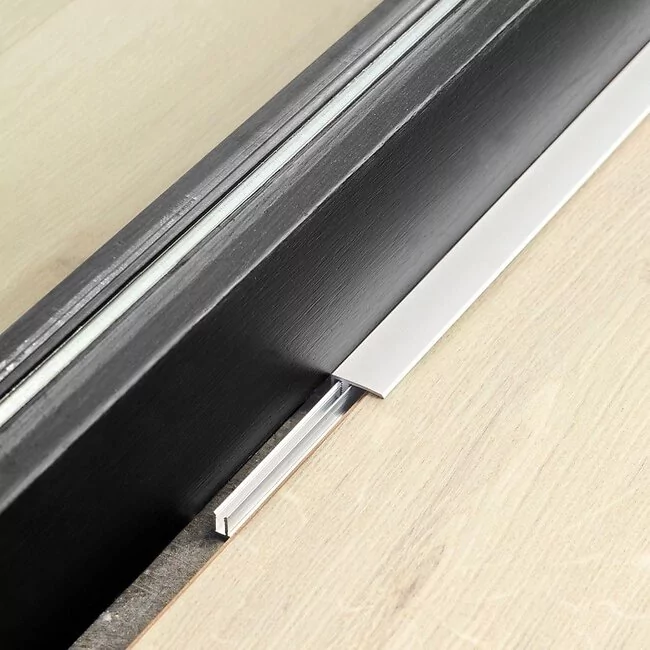
Door Threshold Strips FAQs
What is a door threshold strip used for?
A door threshold strip covers the join between two flooring surfaces, usually in a doorway. It helps protect exposed floor edges, creates a neat finish and can provide a transition between different flooring materials or suitable changes in floor height.
Do I need a door threshold between two hard floors?
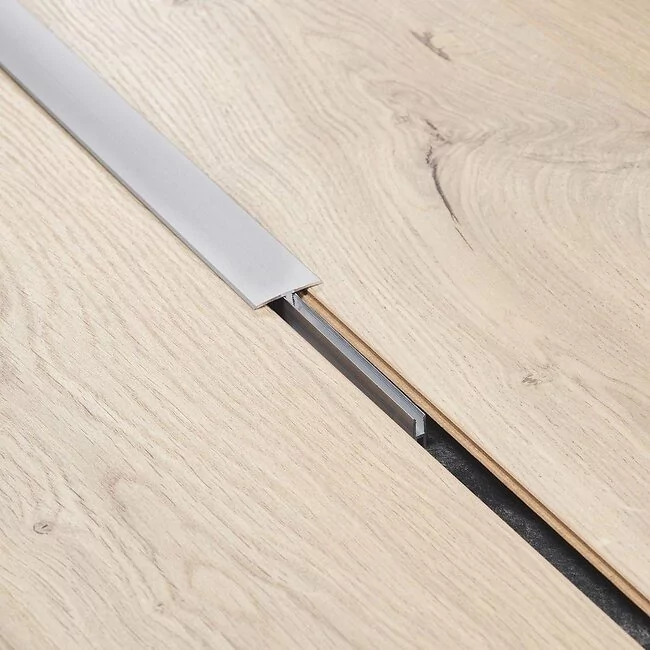
Not always, but a threshold is often needed to provide a neat finish and protect the join. Floating floors, such as laminate and some click LVT products, may require expansion gaps at doorways in accordance with the manufacturer's installation instructions.
A suitable threshold can cover the required gap while allowing the flooring to move as intended. Always follow the flooring manufacturer's guidance on expansion gaps and doorway transitions.
Can door thresholds be used with LVT flooring?
Yes. Suitable threshold profiles can be used with both click LVT and glue-down LVT, as well as certain sheet vinyl products.
The correct profile depends on the flooring thickness, the type of join and any movement or expansion requirements specified by the manufacturer.
Are screw-down or self-adhesive door thresholds better?
Neither is automatically better for every installation.
Screw-down thresholds provide a mechanical fixing and are often suitable for busy doorways, provided the subfloor and any underlying services allow safe fixing. Self-adhesive thresholds are convenient on compatible, clean and smooth surfaces.
Choose the fixing method that suits the product, flooring and subfloor, and follow the manufacturer's instructions.
Can I fit a door threshold on an uneven subfloor?
The subfloor should be stable and suitable for the threshold being installed. Significant unevenness can prevent the strip from sitting securely and may create an uncomfortable or unsafe transition.
Where necessary, prepare or level the subfloor before fitting the threshold, following the flooring and threshold manufacturers' instructions.
Can door thresholds help reduce draughts?
A well-fitted threshold may help reduce airflow through small gaps beneath a doorway. However, a standard threshold strip is primarily designed to finish and protect flooring joins, so it shouldn't be relied on as a complete draught-proofing solution.
How do I clean aluminium door threshold strips?
Wipe the threshold with a damp cloth and mild cleaner, then dry it as needed. Avoid abrasive pads and harsh cleaning products, especially on decorative finishes, to help prevent scratches and discolouration.
Check the fixings periodically to ensure the threshold remains secure.
How do I choose the right door threshold for my flooring?
Start by identifying the flooring on each side of the doorway and checking whether both surfaces are at the same height.
Use a vinyl cover strip for suitable vinyl-to-vinyl joins at the same level.
Use a single door threshold or Z profile where carpet meets a hard floor.
Use a double door threshold or suitable carpet cover strip for carpet-to-carpet joins.
Use an angle edge threshold for a suitable step down where the profile is designed to protect the exposed edge.
Check the product dimensions and fitting instructions before choosing your threshold.
Can door thresholds join carpet to vinyl or laminate?
Yes. Single door thresholds and Z profiles are commonly used to join carpet to hard flooring, including suitable vinyl and laminate surfaces. The best option depends on the thickness of the flooring, the design of the threshold and whether the surfaces meet at the same level.
Can a door threshold cover a difference in floor height?
Yes, provided you choose a profile designed for the height difference. Angle edge thresholds can finish certain step-downs, while other transition profiles may be suitable for different changes in level.
Check the product specifications carefully. A standard cover strip isn't necessarily suitable for bridging a height difference, and the transition should not create a trip hazard.
How do I fit a door threshold strip?
Measure the width of the doorway and check the required threshold length. If the product needs cutting, trim it according to the manufacturer's instructions using a suitable tool.
Prepare the subfloor so it's clean, dry, stable and suitable for the chosen fixing method. Position the threshold correctly, then secure it using the supplied or specified screws or adhesive.
Before drilling, check for pipes, cables and underfloor heating components. Always follow the product's installation guidance.
Can I use door thresholds with underfloor heating?
Yes, suitable thresholds can be used with underfloor heating, but installation needs extra care. Check that the threshold and its fixing method are compatible with the flooring system and follow the flooring manufacturer's requirements for expansion gaps and movement.
Avoid drilling or using fixings that could damage heating pipes or electrical heating elements.
What colours and finishes are available for door thresholds?
Door thresholds are available in a variety of finishes to complement different flooring styles and interiors.
Our standard aluminium range offers practical everyday options, while the Premier range includes finishes such as brushed pewter, chrome and antique bronze. Choose a finish that complements your flooring, door hardware and overall room design.