


How Do You Choose the Right Carpet Underlay?
Carpet Underlay
Good carpet starts with good underlay. It's the hidden layer that makes all the difference to how your room looks, feels, and lasts.
Carpet underlay sits between the carpet and the subfloor, providing warmth, sound insulation and extra comfort underfoot that transforms any room. Without it, even the best carpet wears out faster, feels harder underfoot, and loses its shape. It can even help to make your home warmer, reducing energy bills by up to 15%.
We stock high quality carpet underlay from trusted brands like Tredaire in a wide range of materials and thicknesses to suit every room in your home, all at competitive prices and fast named day delivery.
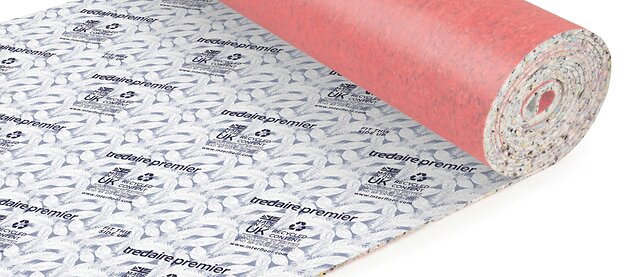
Why choose carpet underlay?
Underlay comes in simple roll formats that fit neatly under new carpets. You can choose to hire a professional or install carpet underlay yourself as a DIY project. See our advice centre for more on how to fit a carpet in your own home.
Different rooms need different support. Bedrooms benefit from thicker underlay that feels softer underfoot, while living rooms and dining areas need medium-density options for a balance of comfort and durability. See how to choose in our complete guide to carpet underlay.
We offer recognised names like Tredaire that deliver comfort and steady support since 1958. Whether you need the luxury of Dreamwalk for a bedroom or the durability of Chromium for high-traffic areas, Tredaire has a quality underlay to match your needs.
Underlay helps carpets feel even across the room and look their best for years to come. Learn more about choosing the right underlay for your room and shop our wide range of carpets for more inspiration.
Good underlay supports comfort and reduces noise while extending carpet life by several years. Quality underlay simply makes your home feel better; rooms feel more comfortable, warmer, and quieter, reducing impact sound by up to 44dB.
Most quality carpet underlay lasts between 10 and 15 years depending on traffic and care, helping your carpet performs at its best from day one. For simple steps and detailed maintenance advice for your carpet, see our carpet cleaning guide.
Types of carpet underlay
Different materials offer different benefits, so it helps to understand what each type does before you choose the best underlay for your needs.
PU foam underlay
PU foam (polyurethane foam) is one of the most popular choices for carpet underlay in the UK. It is lightweight, easy to handle, and provides excellent cushioning. The open-cell structure creates tiny air pockets that absorb impact and offer strong thermal and acoustic insulation.
PU foam underlay works well in bedrooms, living rooms, and most general-use areas. Our Tredaire underlay range includes several PU foam options at different thicknesses, for superior comfort and lasting performance.
Sponge rubber underlay
Sponge rubber is denser and more resilient than standard foam, making it a hard-wearing option. It bounces back well after compression, which makes it a strong choice for rooms with heavier furniture or more foot traffic.
Sponge rubber underlay offers reliable cushioning and works on both wooden and concrete subfloors, for a balance of comfort and durability.
Crumb rubber underlay
Crumb rubber underlay is made from recycled materials, making it one of the most environmentally friendly types available. It's very dense and extremely durable, ideal for high-traffic areas like hallways, stairs, and landings.
Felt underlay
Felt underlay is a traditional option made from recycled fibres. It provides good thermal insulation and a solid feel underfoot. It is generally denser and firmer than foam, which suits areas where a stable, supportive base is more important than softness.
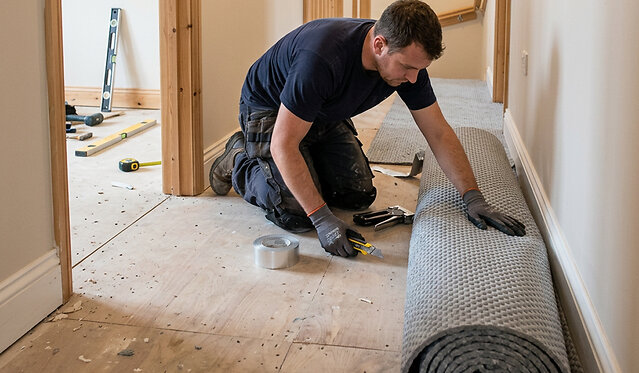
How to choose the right underlay for your room
Not every room needs the same underlay. The best carpet underlay depends on how the room is used, what is underneath the flooring (whether concrete floor or wooden subfloor), traffic patterns, and what matters most to you.
Bedrooms benefit from thicker, softer underlay that gives extra cushioning and comfort underfoot. A 10mm to 11mm PU foam product gives a luxurious feel underfoot and adds warmth for those cold mornings. Products like the Tredaire Dreamwalk at 11mm are designed specifically for this kind of comfort in the bedroom environment. Pair it with a quality bedroom carpet for the cosiest experience.
Living rooms and dining rooms see more traffic and heavier furniture, and need something more durable. A medium-density PU foam or sponge rubber underlay in the 8mm to 10mm range strikes a good balance between comfort and durability. The Tredaire Softwalk at 9mm is a popular choice for busy family rooms where foot traffic is constant. Match it with a hardwearing living room carpet for long-lasting performance and excellent wear characteristics.
Hallways, stairs, and landings take the most punishment and require firm support. Dense underlay in the 8mm to 9mm range gives firm support and handles heavy foot traffic without compressing or losing its shock absorber qualities. The Tredaire Chromium is a durable 9mm option built for demanding spaces with heavy wear. Pair it with a hardwearing hallway carpet or stairway carpet for a combination that lasts.
Concrete subfloors benefit from underlay with moisture-resistant properties. Rubber and crumb rubber options work well here, as they handle damp conditions better than standard foam. They also add significant comfort to what would otherwise be a very hard surface, protecting the carpet pile from direct impact against concrete.
Rooms with underfloor heating need underlay with a low tog rating. This allows heat to pass through the underlay and carpet without being blocked by the insulation layer. PU foam and thin sponge rubber options with low thermal resistance are the best choices for underfloor heating systems where maintaining heat transfer is essential.
The right thickness for your flooring
Thickness matters because it directly affects comfort, durability, and performance. Most quality underlay comes in various thicknesses ranging from 7mm to 12mm, with different rooms suiting different thicknesses.
Bedrooms benefit from softer 10mm to 11mm products for ultimate comfort and heat insulation, while stairs and halls work better with dense 8mm to 9mm options for firm support. Consider your room type, existing floor condition, and how much use the space will experience. Ask our friendly team for advice or read our guide to carpet underlay for more.
"Underlay makes a clear difference to carpet comfort. It supports the surface, reduces wear and helps the carpet stay stable over time. It's a small step that adds real value to any room."

Paul Humphries
Managing Director, Best4Flooring
FAQs
What is the best underlay for carpets?
The best underlay depends on your room and priorities. PU foam like Tredaire Dreamwalk is ideal for bedrooms where softness and comfort matter most. Sponge rubber suits busy living areas where you need a balance of comfort and durability. Crumb rubber handles the heaviest traffic in hallways and stairs, offering excellent shock absorption qualities. For a detailed comparison of materials and when to use each one, read our guide to choosing carpet underlay.
How to fit carpet underlay?
Start by preparing the subfloor, making sure it's clean, dry, and level. Roll the underlay out across the room with the smooth side facing up. Butt the edges together without overlapping and tape the joins with underlay tape. Trim around the edges of the room, leaving a small gap from the skirting. If you are fitting on concrete, a damp-proof membrane may be needed underneath to manage moisture. For the full step-by-step process with detailed installation guidance, see our how to fit a carpet guide.
How long does carpet underlay last?
Most quality carpet underlay lasts between 10 and 15 years, depending on the material, thickness, and how much traffic the room gets. It's good practice to replace the old underlay when you fit new carpet, as old underlay loses its shape and support over time. See our article on how often carpet should be replaced for more advice.
Which carpet underlay is best for underfloor heating?
You'll need underlay with a low tog rating so that heat can pass through to the carpet above. PU foam and thin sponge rubber with low thermal resistance are the best options, avoid thick, dense underlay that traps heat below the surface. For warm flooring ideas, explore our guide to the best flooring for keeping your house warm.
What is the most environmentally friendly underlay?
Crumb rubber underlay is the most environmentally friendly type. It's durable and made from recycled materials, making it a long-lasting and responsible option.
Can carpet underlay help with noise reduction?
Yes. Underlay is one of the most effective ways to reduce noise between floors and throughout your home. A dense underlay layer like PU foam or sponge rubber absorbs impact sound from footsteps and general movement, providing excellent sound reduction, particularly helpful for flats or upstairs rooms.
Is underlay needed on stairs?
Yes, always. Underlay on stairs helps the carpet grip securely, absorbs impact from each step, and reduces sound that echoes through your home. Use a firm, dense product around 8mm to 9mm thick. Soft, thick underlay can feel unstable on stairs and create a tripping hazard. See our full guide to installing carpet on stairs for fitting advice.
How thick should carpet underlay be?
Thickness should match the room and traffic level. Bedrooms benefit from softer, thicker underlay around 10mm to 11mm, for extra comfort and warmth. Living areas work well with 8mm to 10mm for a balance of support and cushioning. When it comes to high traffic areas like stairs and hallways, you'll be looking for a firmer, denser underlay in the 8mm to 9mm range.
What is carpet underlay and why is it important?
Carpet underlay is a layer of material that sits between your carpet and the subfloor, adding cushioning, thermal insulation, and sound absorption. Most importantly, it protects your carpet from wear and tear by absorbing the impact of daily foot traffic. Without a good quality underlay, carpet fibres compress and flatten much faster, and the carpet loses its shape. Learn more about how to prevent carpet flattening and extending your carpet's lifespan in our advice centre.
Can I reuse existing underlay?
We would generally not recommend it. Over time, underlay compresses, loses its bounce, and stops providing the shock absorber support your carpet needs. Old underlay can lead to uneven floors and premature carpet wear. When you invest in new carpet, fresh underlay ensures it performs at its best from day one. See more about reusing carpet underlay in our advice centre.
What affects carpet underlay cost?
Price varies by material, thickness, tog rating, and brand. PU foam tends to be the most affordable and widely used, sponge rubber is mid-range, while rubber and crumb rubber options cost more but offer greater density and durability. Investing in a slightly better underlay often saves money long-term because your carpet lasts longer and requires less maintenance. See more in our carpet underlay guide.
What type of underlay works best on concrete floors?
Concrete subfloors tend to suit moisture-resistant rubber or crumb rubber, which handle damp conditions better than foam and add significant comfort over a hard surface. Adding a damp-proof membrane (underneath) provides extra protection.
Should I choose foam or rubber underlay?
Foam underlay is lighter, softer, and better suited to bedrooms and rooms with lighter foot traffic. Rubber underlay is denser, firmer, and better at handling heavy use in high-traffic areas. For most homes, PU foam covers the majority of rooms while rubber or crumb rubber suits hallways, stairs, and high-traffic spaces. Compare your options in our carpet underlay guide.
Can I use carpet underlay under laminate flooring?
No. Laminate and engineered wood floors need their own specific type of underlay that provides a firm, flat base. Carpet underlay is too soft for laminate flooring, which can cause laminate joints to flex, weaken, and eventually break. For the right laminate underlay, see our guide to choosing laminate underlay.