


What is SPC Flooring?
If you've been looking for a new floor lately, you've almost certainly seen the letters 'SPC' next to a range of wood-effect planks. It's one of the fastest-growing types of flooring in the UK market, and for good reason. This guide explains what SPC flooring is, what it's made of, where it works best, and how it compares against laminate, vinyl and real wood, so you can decide whether it's the right floor for your home.
In short: SPC flooring is a rigid, 100% waterproof type of luxury vinyl flooring built on a stone-plastic composite core. It gives you a realistic wood or stone look, a hard-wearing surface that copes with busy family life, and a simple click fit that many people feel happy to install themselves. If you're looking for a practical floor for a kitchen, bathroom or hallway that looks the part and is easy to look after, SPC flooring is well worth a look.
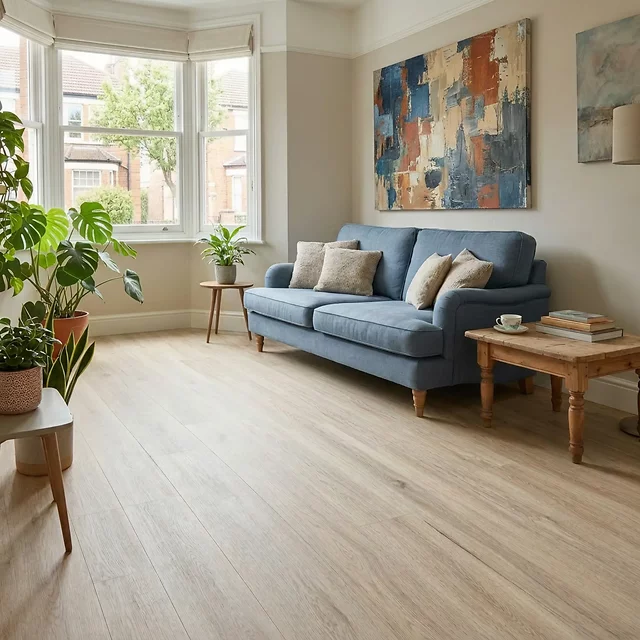
What does SPC flooring stand for?
SPC stands for stone plastic composite, and you'll also see it called stone polymer composite. Both names describe the same thing: the dense, rigid core at the heart of the plank.
That rigid core is what sets SPC apart from other types of vinyl flooring. Where a standard luxury vinyl tile can bend in your hands, an SPC plank stays firm and flat. This is why SPC is often grouped under the heading of rigid core LVT flooring, and why it's become such a popular choice for rooms where a floor needs to perform, while looking beautiful, of course.
What is SPC flooring made of?
The magic is in the core composition. The stone plastic composite core is made from natural limestone powder, polyvinyl chloride (PVC) and a few stabilisers, pressed together into a dense core structure. That stone powder is the reason the plank feels so solid and stays so stable underfoot.
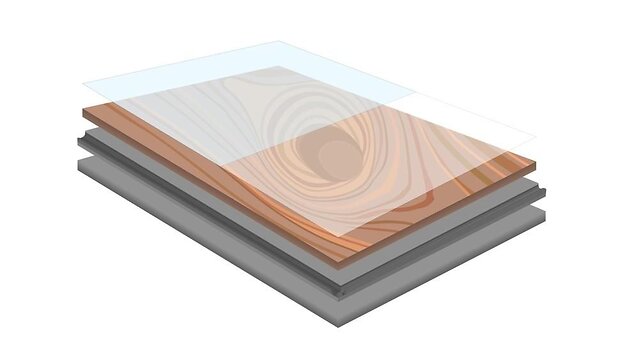
A finished SPC plank is built up in layers, each doing a job:
- A backing layer on the underside, which on many products includes an attached underlay for a softer feel underfoot and a little noise reduction.
- The SPC core, the rigid heart of the plank that gives it strength and superior stability.
- A printed design layer, which uses high-resolution imaging to mimic natural materials like wood and stone.
- A clear wear layer on top, which protects the design and makes the surface scratch-resistant.
- A UV protective coating, which helps guard the colour and finish over time.
Because the core is engineered rather than natural, SPC flooring copes well with temperature fluctuations. It expands and contracts far less than solid wood flooring or even laminate flooring, so it stays put and looks consistent through the seasons.
SPC flooring versus other flooring options
The quickest way to understand SPC is to line it up against flooring options.
SPC flooring versus laminate flooring
Standard laminate flooring has a wood-based core, which means it can swell and lift if water gets into the joints (although modern Water-resistant Laminate solves this issue). SPC flooring is 100% waterproof, so it shrugs off spills, steam and mopping. If you love the look of wood but want something that can go in a bathroom or a busy kitchen, SPC is the more robust and waterproof choice. Being fully water-resistant, SPC stays put in bathrooms and kitchens where laminate would struggle, and the water-resistant surface wipes clean in seconds.
SPC flooring versus vinyl and LVT flooring
Traditional luxury vinyl (LVT) flooring is thinner and more flexible and usually needs to be glued down to a very flat subfloor. SPC is a rigid core version of luxury vinyl, so it clicks together and floats over the subfloor instead. You get the same realistic wood effects and easy-care surface, with a more forgiving fit and a solid feel underfoot. SPC flooring can also be more durable than traditional vinyl flooring, thanks to a stone-based core that gives it additional hardness. One small difference: where tile and sheet vinyl come in several formats, SPC vinyl flooring is sold only in plank or board form.
SPC flooring versus engineered wood and solid wood
Engineered wood flooring and solid wood flooring look beautiful, but they don't love moisture and they need more care. Engineered wood flooring shares some of the warmth of wood thanks to its real wood top layer, yet neither engineered wood nor solid timber is truly waterproof, and neither offers the water resistance of an SPC floor. SPC gives you a convincing wood look with none of the sanding, sealing or worry, which makes it a versatile and practical solution for modern, busy homes.
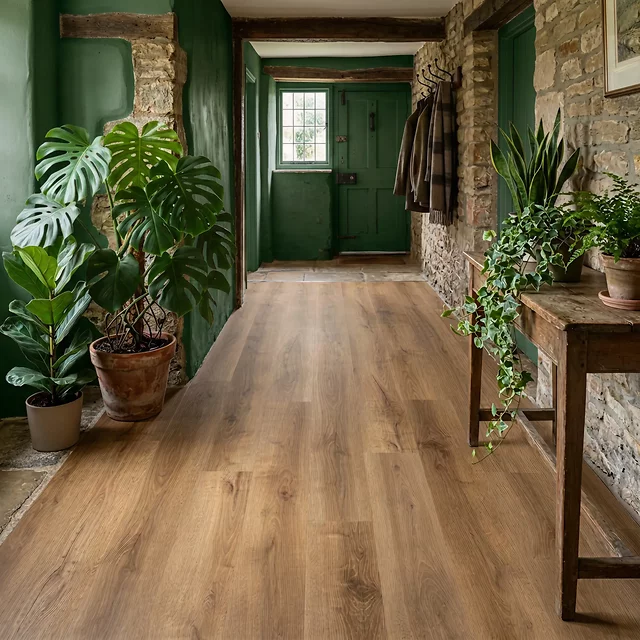
The advantages of SPC flooring
There's a long list of reasons SPC has taken off, but a few stand out. SPC flooring offers a lot for the money, which is why many people now treat it as a genuinely innovative flooring solution rather than a budget stand-in.
It's 100% waterproof
This is the headline. The SPC core won't swell when it meets water, so SPC flooring is suited to bathrooms, kitchens, utility rooms and other high-moisture areas. A quick wipe and you're done!
It's tough and stable
The dense core structure gives SPC impressive durability and superior stability. It handles high-traffic areas without flexing or showing bumps in the subfloor, and the wear layer keeps the surface scratch-resistant against everyday knocks. This combination of durability and water resistance is what makes it so hard to beat. Put simply, this flooring endures the daily grind of a family home.
It's warm and quiet underfoot
Many SPC floors come with an attached underlay, which adds a softer feel underfoot and also helps with sound. The core also brings useful insulation properties, and a floor that holds a little warmth can be a small win for energy efficiency in the home.
It's easy to keep clean
SPC is very low maintenance and hypoallergenic, since the sealed surface doesn't trap dust or allergens. Regular cleaning is a sweep and the occasional damp mop, with absolutely no oiling or polishing to think about - a bonus.
Are there any disadvantages?
No floor is perfect, and it's only fair we cover the trade-offs.
SPC flooring can feel hard underfoot compared with a cushioned vinyl or a carpet, because the core is, by design, firm. An attached or separate underlay softens this, but it'll never feel spongy.
It can also feel cool to the touch, which can be great for summer, and can also usually be paired with underfloor heating for cosy feet in winter. And while the surface is highly resistant to scratches, dropping sharp or heavy objects can still dent or mark any floor, so a little care pays off.
Finally, as good as the printing is, SPC won't perfectly replicate the texture of a real wood top layer up close. For most homes, the look is more than convincing, but it's worth setting expectations if you're a 'timber purist'.
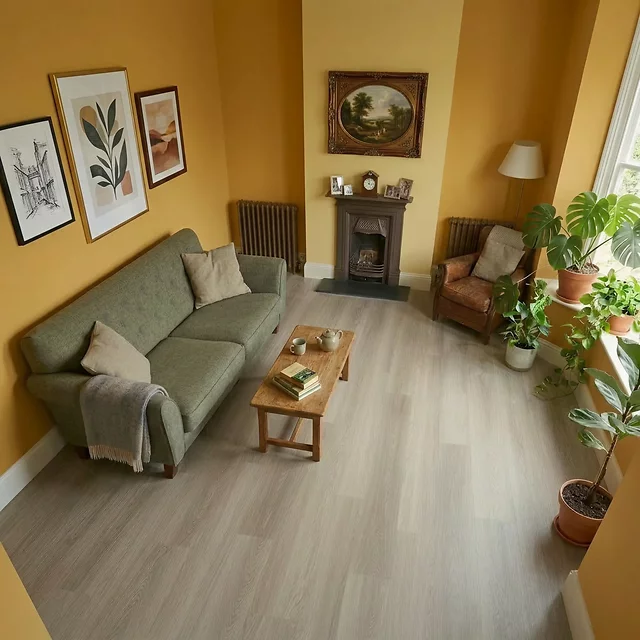
Where can you use SPC flooring?
Almost anywhere. Because it's waterproof and hard-wearing, SPC suits kitchens, bathrooms, utility rooms, hallways, living rooms and bedrooms alike. It's a strong fit for open-plan spaces where you want one consistent floor to flow from room to room.
SPC also works well with underfloor heating systems, as the SPC core stays stable as the floor warms and cools. Do check the maximum surface temperature for your chosen product before you fit it over UFH, as this varies between ranges.
Installing SPC flooring
One of the big attractions is easy installation. Most SPC flooring uses a click-lock system, so the planks lock together with a click-lock design and float over the subfloor with no glue. That makes installing SPC flooring a realistic weekend project for a confident DIYer, and it can often be laid over existing flooring that's sound and flat.
A little subfloor preparation still helps. The base should be clean, dry and reasonably level, and you should leave small expansion gaps around the edges of the room so the floor can settle. This easy installation is a big reason SPC has become so popular, and the solid core does much of the hard work for you. Make sure to acclimatise your new flooring for 24-48 hours before installation.
Is SPC flooring right for you?
If you want a floor that's waterproof, hard-wearing, easy to fit and easy to live with, SPC is one of the most sensible flooring options on the market. It's a natural fit for busy families, pet owners and anyone who wants the look of wood or stone without the upkeep.
At Best4Flooring, our Silvara Home Click SPC range is a good example of what modern SPC can do. It pairs a premium 4.2mm rigid stone plastic composite core with a Uniclic click lock system and a four-sided micro bevel, in six natural oak shades from pale Georgian Grey through to deep, rustic Alder Oak. It's 100% waterproof, simple to fit, and backed by a 25-year residential warranty, so you get high performance at a budget-friendly price.
SPC has changed what people expect from a floor. You get the warmth and character of real oak, a surface that's genuinely waterproof, and a fit that most people can manage themselves. For a family home, that's a hard combination to beat.

Paul Humphries
Managing Director, Best4Flooring
SPC flooring FAQs
What does SPC flooring stand for?
SPC stands for stone plastic composite, sometimes called stone polymer composite. It refers to the dense, rigid core made from natural limestone powder, polyvinyl chloride and stabilisers.
Is SPC flooring really 100% waterproof?
Is SPC flooring better than laminate?
For water resistance and stability, yes. Laminate has a wood-based core that can swell if water reaches the joints, whereas SPC is waterproof and more stable. Laminate can still be a good value choice for dry rooms.
Can I install SPC flooring myself?
Usually, yes. Most SPC uses a click lock system that floats over the subfloor with no glue, so it's a realistic DIY project. Keep the subfloor clean and level and leave small expansion gaps around the edges.
Can SPC flooring be used with underfloor heating?
SPC generally works well with UFH systems because the dense core is stable. Always check the maximum surface temperature for your specific product before fitting, as limits vary between ranges.
How long does SPC flooring last?
With regular cleaning and a little care, SPC flooring can last around 20 to 30 years. Using furniture pads and avoiding abrasive cleaners will help it stay looking good.
How do I clean SPC flooring?
Sweep or vacuum regularly, then use a damp mop for marks. Avoid abrasive cleaners and harsh scourers. That very low-maintenance routine is one of the main reasons people choose SPC.
Does SPC flooring feel hard or cold?
The rigid core makes SPC firmer than cushioned vinyl, though an attached underlay softens the feel underfoot. It can feel cool to the touch, which pairs nicely with underfloor heating in cooler months.