


Our Guide to Different Types of Carpet
Everything You Need to Know About Different Types of Carpet
Choosing a new carpet sounds easy enough, until you actually start looking. Loop or cut pile? Wool or polypropylene? Axminster, Wilton, or a tufted twist? The options pile up fast, and every single one shapes how your floor looks, feels, and wears over time.
This guide takes you through every major carpet type you'll find on the market. You'll learn how carpets are made, what the different piles mean, which fibres work best in which rooms, and how to match the right flooring to the way you live.
By the end, you'll be able to shop with confidence and choose a carpet that truly earns its place in your home.
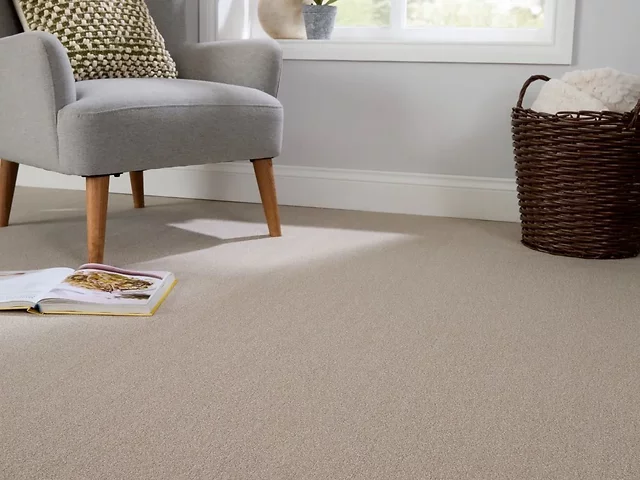
How are carpets made?
Almost every carpet sold sits in one of two camps: tufted or woven. The method used affects the price, the durability, the pattern, and how the finished floor feels underfoot.
Tufted Carpet
Tufted carpet is by far the most common type you'll find in British homes. A tufting machine pushes yarn through a backing using rows of needles, and a second backing is then glued on to hold everything in place. It's fast, efficient, and helps keep carpet costs down. A single roll of tufted carpet takes about an hour to make. That speed is a big reason tufted carpets dominate the market, with huge variety in colour, texture, and pile height.
Woven Carpet
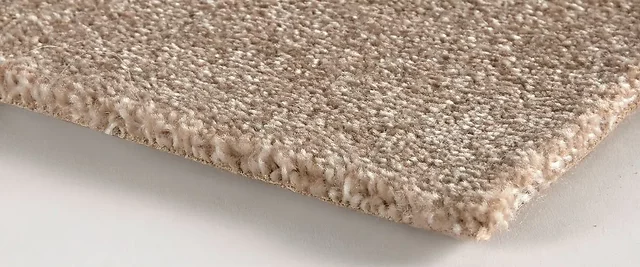
Woven carpet is the traditional way of doing things. The pile and backing are created together on a loom, giving you a dense, sturdy floor covering. A woven roll takes around eight hours to produce, and the price tag reflects that. The two best-known styles are Axminster carpets and Wilton carpets. Woven carpet can last up to three times longer than a tufted one, which is why you'll still spot them in hotels, pubs, and period homes.
What is carpet pile?
Carpet pile is simply the top layer of fibres you see and walk on. How those fibres are cut, looped, or twisted shapes the look and feel of the whole floor. There are two main pile types: loop pile and cut pile.
Loop Pile Carpet
Loop pile carpet leaves the yarn as uncut loops stitched into the backing. The result is a textured, tough surface that comes in two forms:
Level loop, where every loop sits at the same height for a neat, even surface.
Multi-level loop, where varying loop heights build up subtle patterns and texture.
Because the looped yarn is anchored so tightly, loop pile carpets work brilliantly in high traffic spots like hallways, stairs, and busy living rooms. They also disguise dirt well between cleans, which makes them a sensible choice for family homes. One note for cat owners: claws can catch on the loops, so if your pet loves a good scratch, a cut pile might be kinder to your carpet.
Berber Carpets
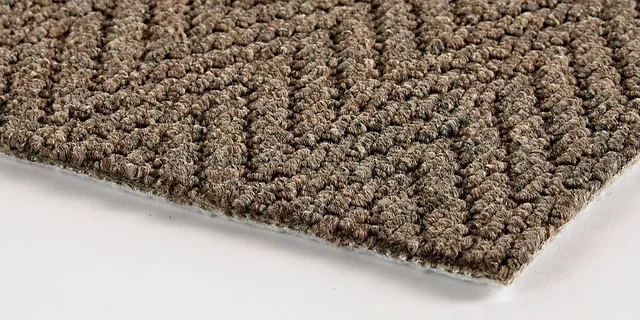
Berber carpets are a much-loved loop pile style, traditionally made with natural wool and often flecked with colour on a neutral base. Those tight loops and speckled tones make Berber carpets excellent at disguising stains and everyday wear. You'll find Berber carpets in both pure wool and wool blends, often around 80% wool and 20% synthetic. They suit country cottages, modern family homes, and pretty much everything in between.
Cut Pile Carpet
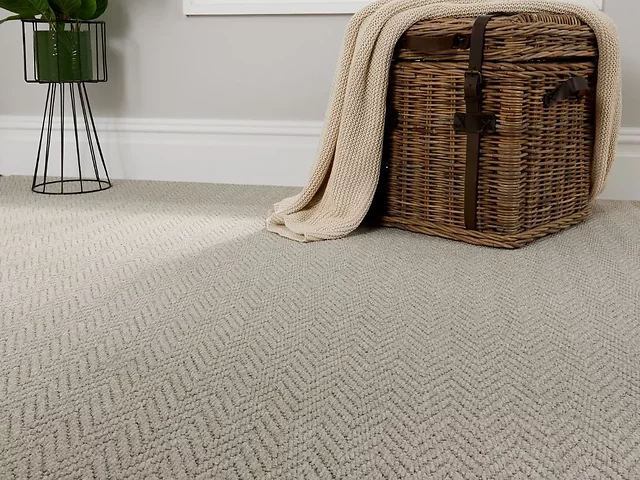
Cut pile carpet is made by shearing the tops off the loops, leaving individual yarn strands standing upright. The finish is softer, plusher, and warmer underfoot than loop pile. Cut pile covers a wide family of carpet styles, each with its own character.
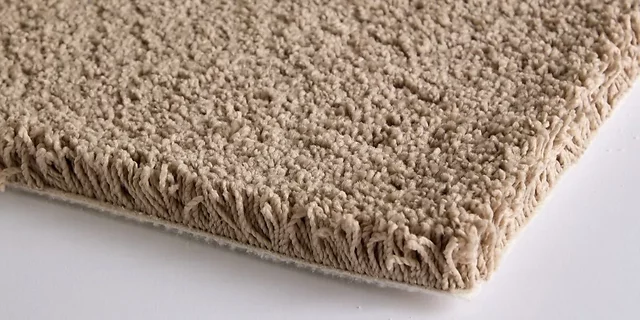
Twist Pile Carpet
Twist pile carpet uses tightly twisted yarn that is heat-set to hold its shape. The twisted strands give a lightly textured surface that conceals footprints and vacuum marks well, making twist pile a reliable all-rounder. Twist pile carpets work beautifully in living rooms, bedrooms, and on stairs. They are easy to live with, straightforward to clean, and keep their looks for years. If you want one carpet type that handles almost anything family life throws at it, twist pile is a strong contender.
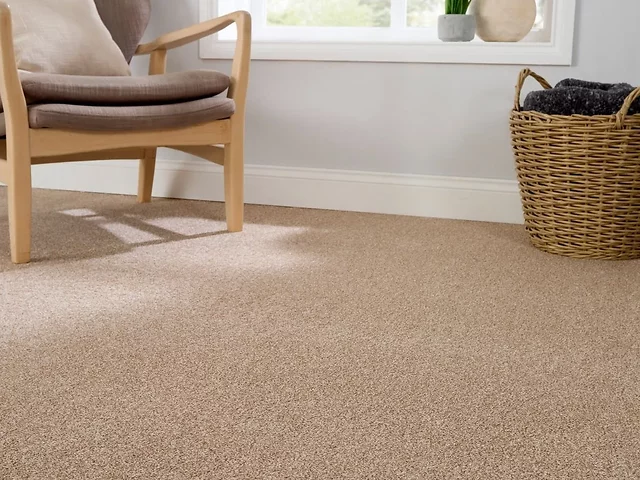
Saxony Carpet
Saxony carpet is a cut pile with straight, even-length fibres that stand upright for a smooth finish. The pile is longer than a twist and creates a soft, luxurious feel underfoot. Saxony pile is elegant and classic, but it does show footprints and vacuum marks. That makes saxony carpet best suited to formal living rooms, master bedrooms, and low-traffic spaces where comfort matters more than practicality.
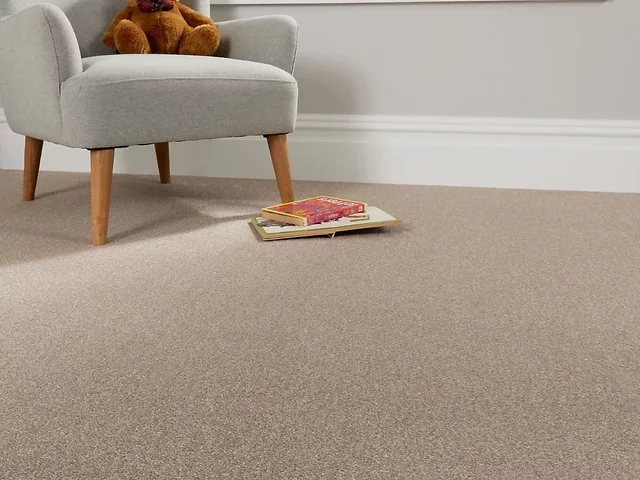
Frieze and Shag Carpet
Frieze is a deep cut pile with long, tightly twisted fibres that curl at the surface. It is extremely hardwearing and excellent at masking dirt and minor marks. Frieze suits busy rooms that need a bit of personality. Shag carpet takes the idea further, with an even longer pile for a relaxed, retro look. Shag is lovely underfoot but is not ideal for heavy traffic areas or homes with heavy wheeled furniture.
Velvet and Plush
Velvet pile, sometimes called plush, has a short, smooth finish that gives a luxurious underfoot feel. The surface pile is usually between 5mm and 10mm, sheared for a neat, even look. Velvet works best in low-traffic formal rooms where you want a high-end feel. Because the pile is so uniform, it can occasionally show shading, where the pile lies in different directions and catches the light. This is a natural trait, not a fault.
Cut and Loop Carpet
Cut and loop combines both pile types in the same carpet. Some tufts are cut, others left as loops, and the contrast creates sculpted patterns and texture across the surface. It's a way to add character without committing to a bold print, and it copes well with everyday dirt.
Compare pile types at a glance
| Pile type | How it's made | Feel | Best for | Watch out for |
|---|---|---|---|---|
| Loop pile (level loop) | Yarn left as uncut loops, all the same height | Firm, textured, hardwearing | Hallways, stairs, busy living rooms | Cat claws can catch on loops |
| Loop pile (multi-level loop) | Loops at varying heights to build a pattern | Firm with subtle texture | Busy rooms where you want a bit of design interest | Same snag risk as a level loop |
| Berber | Loop pile, often flecked | Slightly coarser, natural look | Family homes, cottages, hiding dirt and stains | Snag risk; wool versions need careful cleaning |
| Twist pile | Cut pile with tightly twisted, heat-set yarn | Lightly textured, firm but soft | Living rooms, bedrooms, stairs; the all-rounder | Very little; the safest default |
| Saxony | Cut pile with long, straight, even-length fibres | Smooth, plush, luxurious | Formal living rooms, master bedrooms, low-traffic | Shows footprints and vacuum marks |
| Frieze | Deep cut pile with long, tightly twisted curly fibres | Textured, hardwearing, informal | Busy rooms that need personality | Less formal look, not for every scheme |
| Shag | Extra-long pile, loose and curly | Soft, retro, indulgent | Bedrooms, snugs, low-traffic feature rooms | Flattens under heavy furniture; not for high traffic |
| Velvet / plush | Short (5 to 10mm) cut pile, sheared flat | Smooth, fabric-like, high-end | Low-traffic formal rooms | Shading (pile direction catching the light); not a fault |
| Cut and loop | Mix of cut and looped tufts in one carpet | Sculpted, patterned, textured | Adding character without a bold print; everyday wear | Pattern can date faster than plain piles |
What is carpet made from?
The carpet material you choose matters just as much as the pile. Carpet fibres fall into two broad groups: natural and synthetic. Each has strengths, weaknesses, and sweet spots.
Polypropylene Carpet
Polypropylene carpet is one of the toughest and most affordable carpet options. It is robust and highly stain-resistant and can be cleaned with diluted bleach, which makes it a favourite in children's rooms, rentals, and family homes. Polypropylene is used in many loop pile and berber carpets.
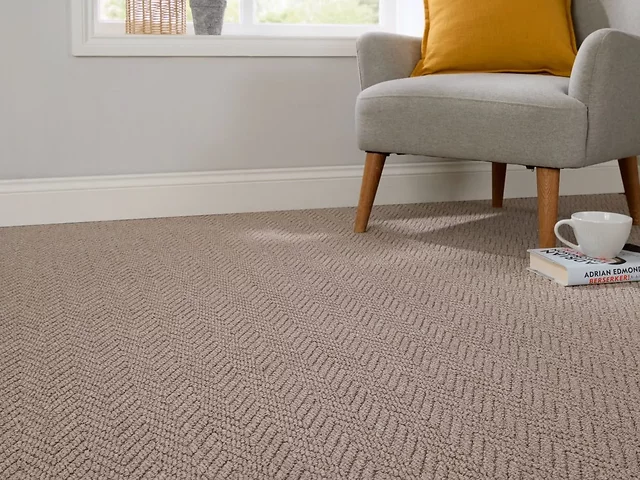
Polyester Carpet
Polyester carpet is soft and often made from recycled plastic bottles, which appeals if sustainability matters to you. It mimics the feel of wool at a lower price and copes well with water-based spills. Polyester is not the most hardwearing fibre, so it suits quieter rooms such as dining rooms, bedrooms, and snug spaces rather than main hallways.
Wool Carpets
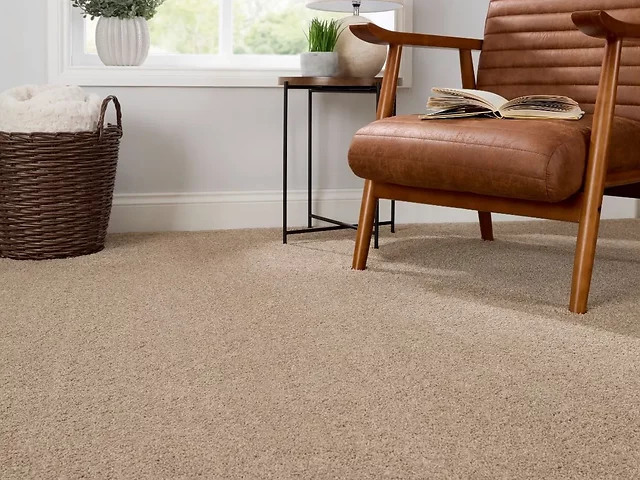
Wool is the benchmark natural fibre. Wool carpets feel soft, look rich, and last for years when looked after. Natural wool is flame-retardant, resists everyday dirt, and has a luxurious feel that synthetic alternatives work hard to match. Wool yarn also handles foot traffic well.
The fibres spring back after being compressed, so your carpet keeps its shape. The downsides are cost and care. Wool carpets sit at the higher end of carpet costs and are not the best choice for damp rooms or areas prone to heavy oil-based stains.
Nylon Carpet
Nylon is one of the most popular synthetic fibres on the market. A nylon carpet is soft, durable, and naturally stain-resistant, which makes it a strong pick for stairs, landings, and other high-traffic areas. Modern nylon carpets feel far softer than older versions and come with long stain and wear warranties. They sit in the mid to upper price range but deliver excellent value over time.
Sisal Carpet
Sisal carpet is made from plant fibres and gives a natural, textured look. It is biodegradable, hypoallergenic, and very strong, making it a genuinely eco-friendly choice. Sisal comes only in natural tones such as beige, brown, and grey, so it suits neutral colour schemes and country-style interiors. It is not ideal for damp rooms, as the fibres absorb moisture.
Blended Fibres
Many of the best carpet ranges mix fibres to get the best of both worlds. Common blends include:
80% wool with 20% nylon for softness plus durability.
50% wool with 50% polypropylene for a budget-friendly wool feel.
100% synthetic blends for maximum stain resistance.
Matching Carpet to the Room
The right flooring depends on how a space is used. Here is how the main carpet types match up with different rooms.
Living Rooms
Your living room carpet needs to feel good underfoot, look welcoming, and cope with daily life. A stylish twist pile is a classic choice. If the room is especially busy, a loop pile or berber will disguise dirt and wear more gracefully. Mid to deep pile cut pile works well if comfort is the priority. Neutral colours keep the scheme flexible, while a patterned carpet adds character without needing bold furniture.
Bedrooms
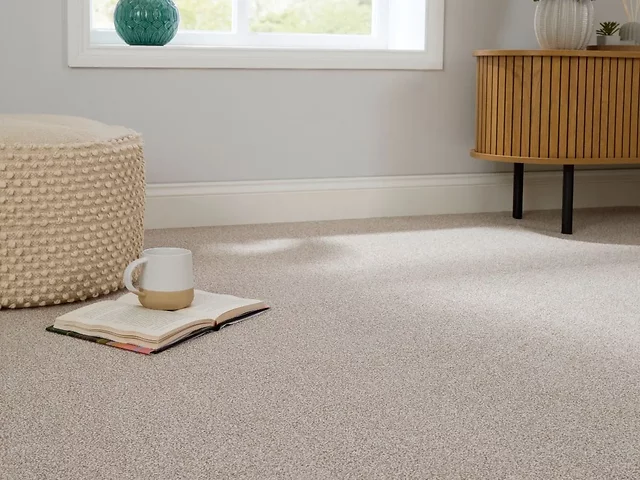
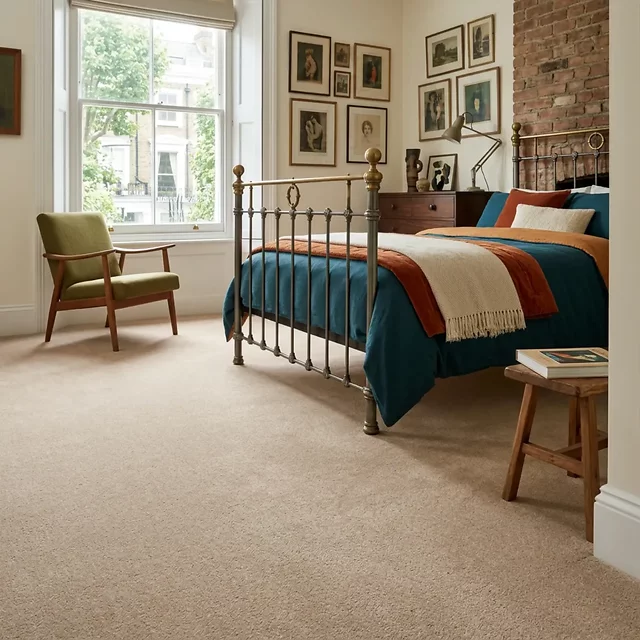
Bedroom carpets are about comfort. A deep pile saxony or a soft twist pile feels wonderful underfoot first thing in the morning. Because bedroom traffic is lighter, you can lean into softness and choose a carpet style that might not survive a hallway.
Hallways and Stairs
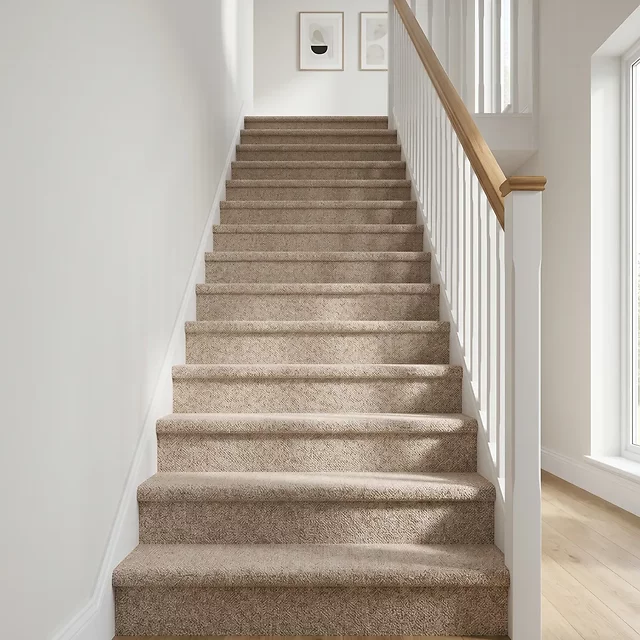
Hallways and stair carpets are the hardest-working in the house. You want a hardwearing carpet that can take knocks, spills, and constant footfall. Tightly twisted twist pile, loop pile, and berber carpets all perform well here. Stair runners are a popular choice for period homes, combining a woven or patterned carpet down the centre with exposed wood at the sides. Check out our dedicated post on choosing the best carpet for stairs.
Dining Rooms
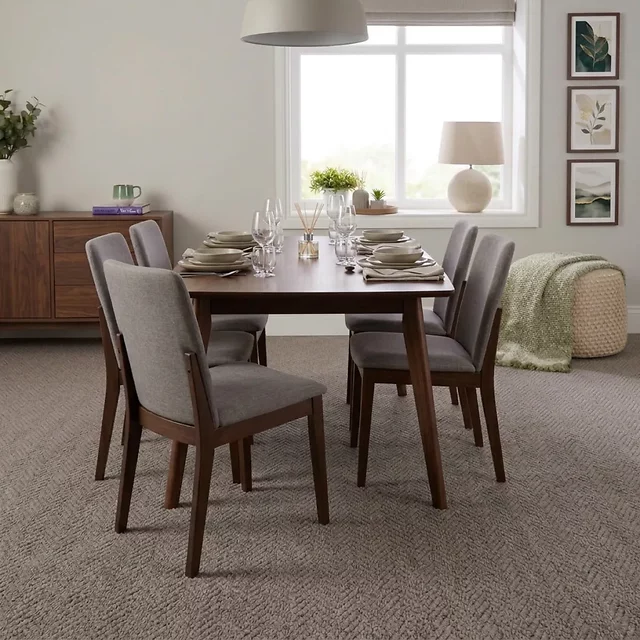
Dining room carpets need a balance of comfort and practicality. A stain-resistant twist pile or loop pile in a mid-tone colour copes well with the odd spilt glass of red. Avoid very deep pile carpets under the table, as chairs can catch.
Kids Rooms
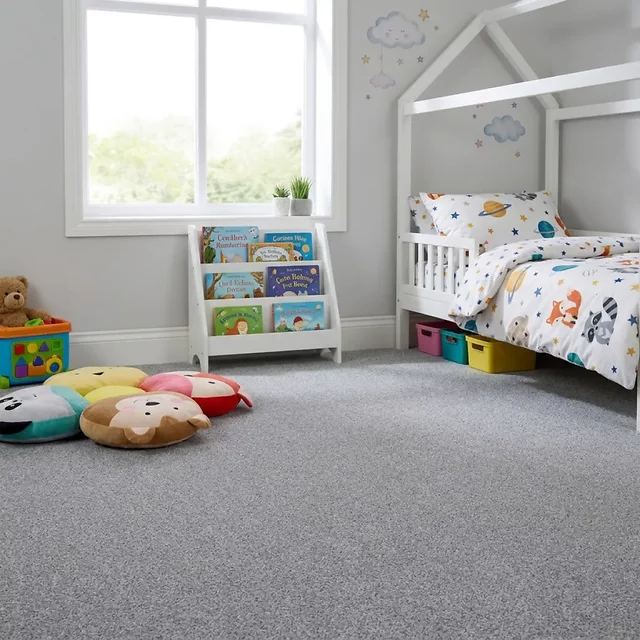
For carpet in children's rooms, stain resistance and easy cleaning come first. Polypropylene carpet or a synthetic twist pile handles spills, craft mishaps, and general chaos without fuss. A slightly patterned carpet or flecked style helps conceal stains between cleans.
Kitchens and Bathrooms
Carpet is not usually the best fit for kitchens or bathrooms. Hard flooring such as LVT or vinyl is almost always a smarter choice.
Do I need underlay for carpet?
Good carpet underlay makes your carpet feel better and last longer. The right underlay can extend the life of your carpet significantly and improve warmth, sound insulation, and comfort underfoot. As a rule of thumb:
12mm PU foam underlay for living rooms and bedrooms where comfort is the priority.
10mm to 11mm underlay for a balance of firmness and comfort in busier rooms.
6mm to 9mm firmer underlay for stairs, landings, and heavy traffic areas.
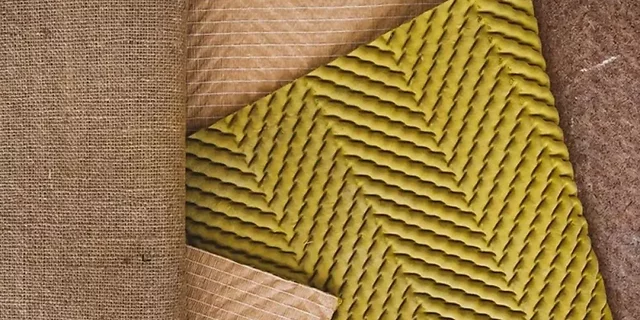
If you have underfloor heating, choose a low-tog underlay designed for the system. The combined tog of carpet and underlay should stay below 2.5 so heat can pass through efficiently. You can read our full step-by-step guide to choosing carpet underlay for more details on thickness, tog ratings, and fitting.
What is carpet backing?
The carpet backing holds everything together. Most tufted carpets have a primary backing that the yarn is stitched through, plus a secondary backing material glued on for strength. Woven carpets integrate the backing during weaving, which is why they are so robust.
How should I compare carpets?
When comparing carpets, look at:
Pile weight per square metre. Higher generally means more yarn and better quality.
Pile density. Tightly packed fibres resist crushing in heavy traffic areas.
Pile height. Shorter piles are more hardwearing; taller piles feel more luxurious.
Twist level. Tightly twisted yarn holds its shape far better than loose yarn.
Asking for carpet samples is one of the easiest ways to compare. Feel the weight, bend the sample, and look at how dense the fibres are when you press them. At Best4Flooring, we offer up to 3 free samples with 48-hour delivery to help you make the right choice.
How to keep your carpet looking its best
A new carpet rewards a little routine care. Here are a few quick tips:
Vacuum at least twice a week in busy rooms and once a week in quieter spaces.
For loop pile carpets, use a suction-only vacuum rather than one with a beater bar, which can pull at the looped yarn.
Deal with spills straight away. Blot, do not rub, and work from the outside of the spill inward. Water-based marks usually lift with lukewarm water and a clean cloth. Oil-based stains often need a dedicated carpet spot cleaner. Read more on how to remove carpet stains in our dedicated guide.
Every 12 months, a professional clean refreshes the pile, lifts trapped dirt, and extends the carpet's life.
Pet hair is best tackled with regular vacuuming and the occasional rubber brush to lift stubborn hairs from cut pile surfaces.
See our step-by-step guide for more tips on how to clean carpets.
Ready to find your carpet?
Have a browse through our full carpet range and order a few free samples so you can see the colour, feel the pile and check it in your home. If you have any questions, get in touch with our friendly team.

FAQs
Can I fit my own carpet?
Yes, fitting carpet yourself is possible in smaller, square rooms if you're handy with a knee kicker, carpet cutter and gripper rods, though most people hire a professional for stairs, large areas or anything with tricky seams. Our easy DIY guide to fitting a carpet at home walks through the technique if you want to give it a go.
Is wool or synthetic carpet better?
Both have their place: wool insulates well and ages gracefully, but costs more and stains more easily than modern synthetics. For that plush feel without the wool price tag, the deep pile saxony range (polyester) is the closest match, with polypropylene options across the twist pile range for busy or pet households.
Which carpet is best for stairs?
Stairs need a tightly twisted twist pile or low-loop pile in a Heavy Domestic rating, with a short pile height (around 8 to 10mm) so the carpet hugs each nosing rather than rolling over the edge. Avoid long loops if you have pets with claws that can snag. Browse our stair carpet collection, or read our guide on the best carpet for stairs.
How do I stop my carpet flattening?
Carpet flattens where the pile takes repeated weight, so your best defence is a combination of a dense, high twist pile (wool or tightly twisted polypropylene works well), a quality underlay that absorbs footfall, and rotating furniture every few months so pressure points shift. Our guide on how to prevent carpet flattening has the full set of tips.
What's the difference between polypropylene, polyester, nylon and triexta?
Polypropylene is bleach cleanable and tough on stains, which makes it the go-to for busy or pet households. Polyester feels softer underfoot and holds colour beautifully, ideal for cosy bedrooms and lounges. Nylon is the most hard-wearing of the four for stairs and hallways, while triexta is a newer fibre that combines softness with strong stain resistance.
What's the best carpet for a bedroom?
Bedrooms are low-traffic and comfort-led, so this is where a deep saxony or soft cut pile really shines. A pile height of 12mm and up gives you that lovely barefoot feel, and footprint marks matter less because the room sees less use. Browse the bedroom carpet collection or the deep pile saxony range.
What is the most hardwearing carpet type?
For sheer durability, look for a tightly twisted twist pile or a level loop pile in polypropylene or nylon, both rated Heavy Domestic for stair and hallway use. Pile density (how tightly the tufts are packed) matters more than fibre type. Browse our twist pile carpet, loop pile carpet, or stair carpet ranges for the toughest options.
What is the difference between loop pile and cut pile carpet?
Loop pile keeps the yarn as closed loops, giving a crisp, hardwearing surface that sheds dirt and holds its shape under footfall. Cut pile slices those loops open so the tufts splay into something softer underfoot, better suited to bedrooms and lounges. Compare both side by side: loop pile carpet and cut pile carpet.
Do I need underlay with my new carpet?
Yes, in almost every case. A good underlay extends the carpet's life by softening the impact of footfall, adds insulation and sound deadening, and makes the whole floor feel noticeably more comfortable. See our guide to choosing carpet underlay for the specifics.
What is a carpet tog rating?
The tog rating measures how much warmth a carpet and its underlay hold in: the higher the number, the warmer the floor. A rating of 1.0 is light insulation, while 2.5 and above is more cosy and works well over solid sub-floors or in bedrooms. If you have underfloor heating, look for a combined carpet and underlay tog of 2.5 or less so the heat can come through. Read our guide on the best flooring for underfloor heating for more.
How long does a new carpet last?
A good Heavy Domestic carpet lasts 8 to 15 years depending on quality, foot traffic and care. Stairs and hallways wear out first because they take the most punishment, while bedrooms can easily reach the full lifespan. For the tell-tale signs it's time to replace, see How Often Should Carpet Be Replaced.
What is Berber carpet?
Berber is a looped carpet style originally made from undyed wool, often with characteristic flecks from the natural fibres. Modern berbers are typically synthetic and very hard-wearing, with a casual, textured look that hides marks well. Browse our berber carpet range.