

How to Prevent Carpet Flattening
- 20 Mar 2026
- Adrian Marsh
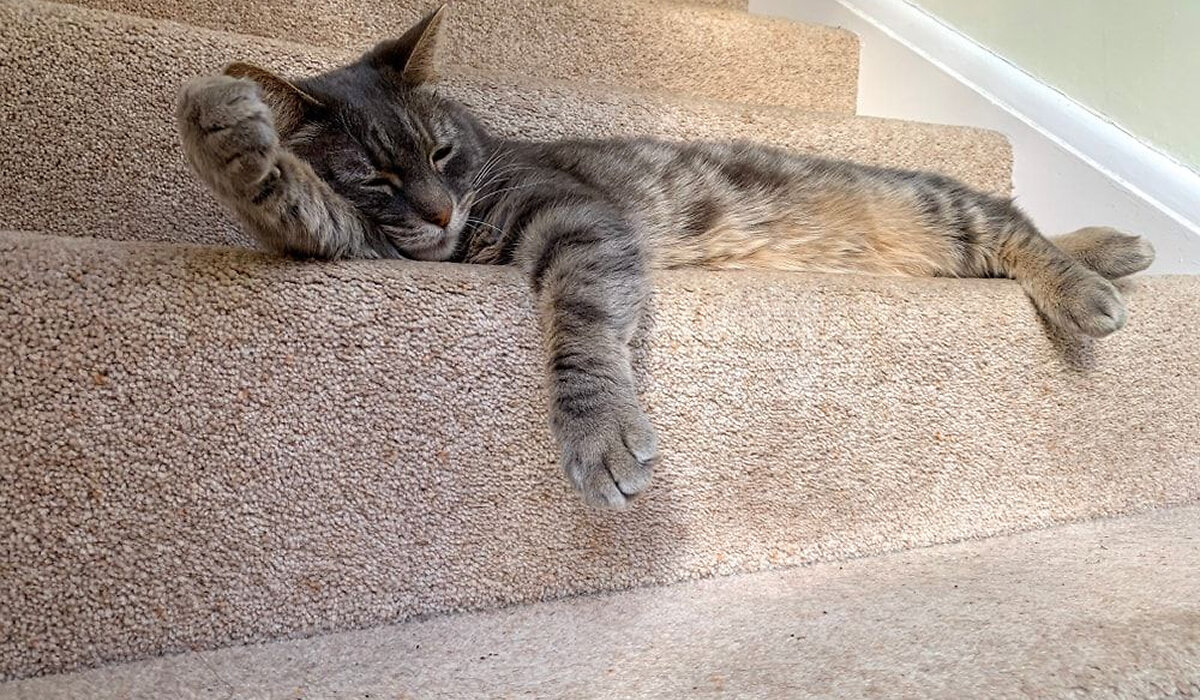
Carpet flattening happens when the pile gets compressed under foot traffic or heavy furniture and is a common problem in busy homes. Over time, flattened fibres can change the carpet’s texture and reduce its comfort, making it look and feel older than it is.
But there is good news! With the right care, you can keep your carpet soft, supportive, and looking new for longer.
What is Carpet Flattening?
Carpet flattening happens when individual fibres become squashed down, creating flat patches that make your carpet look older and feel harder underfoot. This is quite common over time, and there are a few reasons why this happens.
The height and density of your carpet pile affects how much flattening you may see. Routine maintenance helps to preserve your carpet's plushness and stay soft and fluffy.
Deep pile carpets feel soft and warm, but they tend to flatten more easily. When you choose new carpet, think about where it will go and how much wear it will take.
For example, a deeper pile may suit a bedroom or spare room, but on stairs many people choose a lower pile or a loop pile which are tougher and better suited to high traffic areas. See our guide to different types of carpet to help you choose the best option for your home.
Common Causes of Flattened Carpet
Here are a few common causes:
- Heavy furniture
- Not moving furniture regularly
- Constant foot traffic in busy areas
- Not vacuuming often enough - See our step-by-step guide for more tips on how to clean carpets.
- Moisture or dirt build-up in the fibres
- Wrong underlay or installation on soft subfloors - See our dedicated guide for more advice on choosing carpet underlay.
How to Restore Flattened Carpet Pile
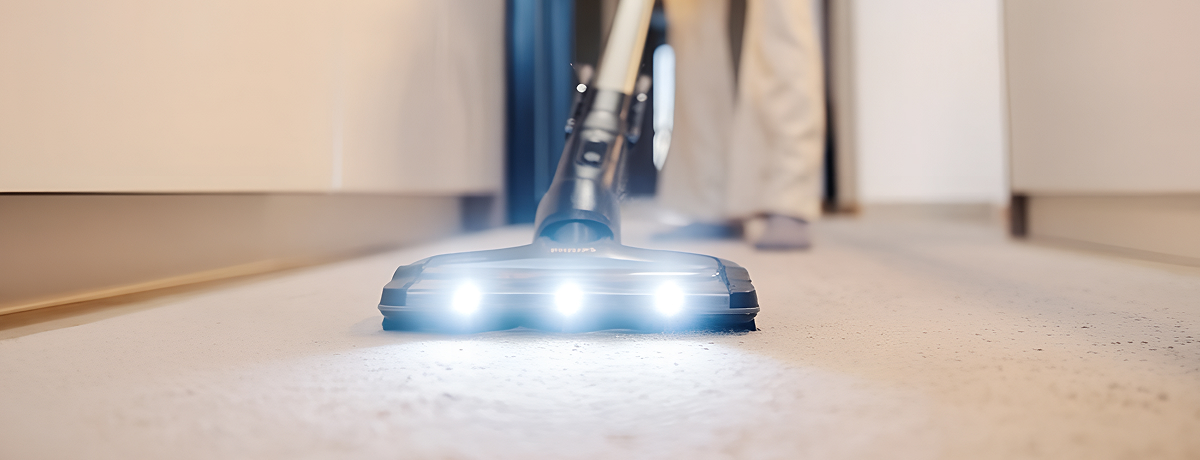
Here are a few ideas you can try to resurrect a flattened carpet.
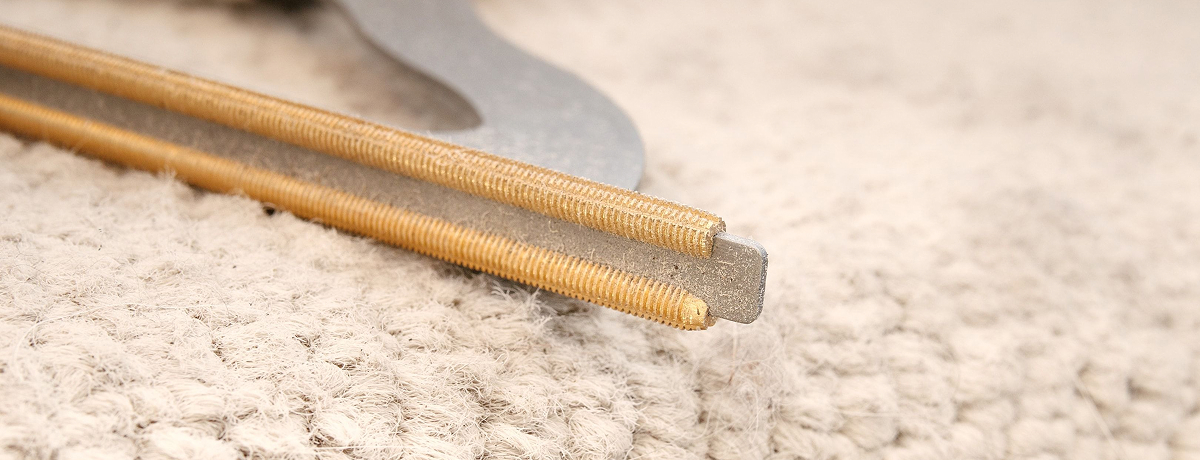
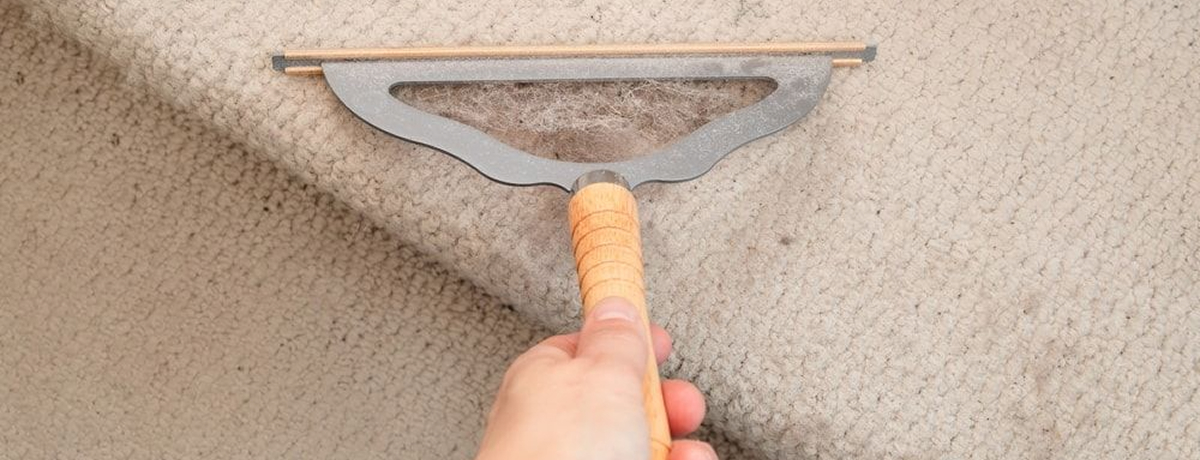
For the entire carpet, a carpet brush or rake can help lift and separate carpet fibres, improving overall fluffiness and appearance. Work gently against the pile direction to lift flattened fibres.
For smaller dents from furniture, try the ice cube method. Place a few cubes on the flat patch and let them melt. Blot the area once the water soaks in, then brush the pile upright. You can also use a spray bottle with water and a little white vinegar to soften the fibres before brushing.
For deeper dents, steam from an iron held above the surface can help fibres lift. Place a damp cloth over the dent and hold a steam iron above it. Just make sure to use a low heat and keep the iron off the carpet!
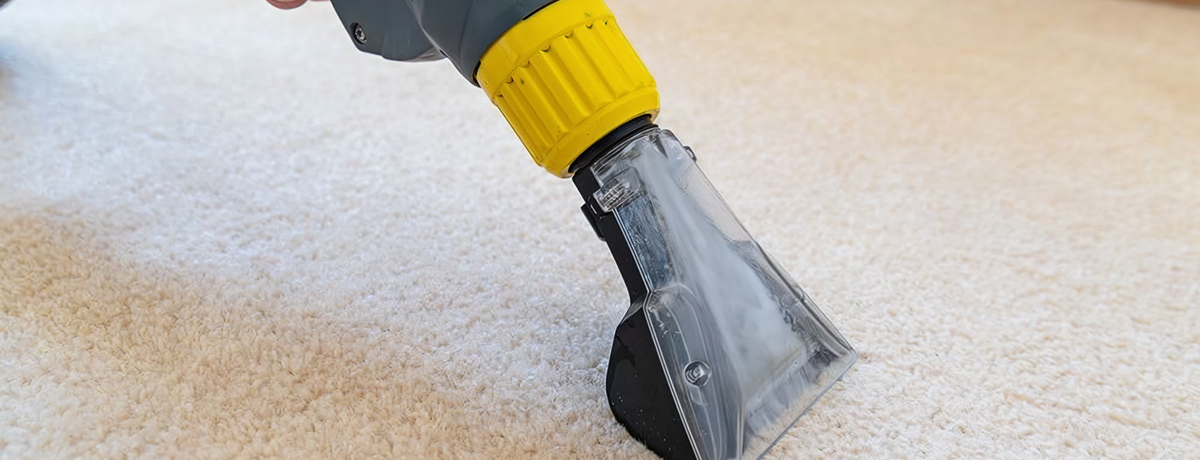
Steam cleaning with the appropriate attachments can also help to revitalise the carpet pile when done carefully.
Top Tips to Prevent Carpet Flattening
The best way to slow flattening and give your carpet new life is with consistent care:
- Move or rotate furniture often to prevent marks.
- Use area rugs in high-traffic areas such as living rooms to protect the main carpet.
- Place furniture coasters under heavy items to spread weight and minimise the effects of flattening.
- Encourage guests to remove their shoes before walking on carpets to significantly reduce wear and tear.
- Choose a strong underlay that supports the pile.
- Avoid dragging heavy items across the floor.
- Add door mats to reduce dirt and moisture.
Sticking to a simple routine keeps your carpet fresh and limits permanent flattening.
Can Vacuuming and Routine Cleaning Help?
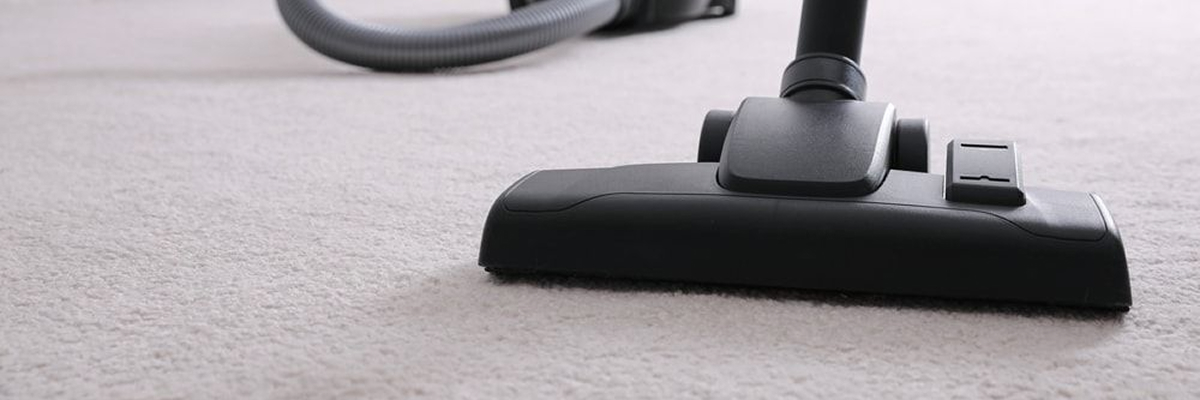
Vacuuming carpet regularly lifts out dirt before it settles deep into the pile, helping to preserve fluffiness, texture, and appearance. Use a beater bar for cut pile carpets and a suction tool for loop piles. Try to vacuum high-traffic areas more often, as dirt causes fibres to compact faster.
Adding a sprinkle of baking soda every so often also helps to maintain a soft texture, with the added benefit of reducing odours. For an extra boost, mix baking soda with salt and brush it into the carpet. Leave it for 15 minutes, then vacuum well, simple! See our advice centre for more tips on keeping your carpet clean and getting different stains out of carpet.
Furniture and Flattening
We’ve all seen how easily heavy furniture compresses the pile beneath it. Using cups, coasters, or discs under furniture legs to spread weight and reduce pressure directly underneath can minimise the effects of flattening.
Moving sofas and other large furniture regularly helps prevent permanent indentations and promotes carpet recovery. Lifting furniture now and then or shifting it slightly can also help to prevent long-term flat spots. For wrinkles, placing heavy weights such as books on the area for 24–48 hours can help to flatten them out.
Caring for Carpets in High Traffic Areas
Hallways, stairs, and living rooms tend to get the most use, which is why it can make sense to protect these areas with runners or small rugs. They absorb wear and keep the carpet beneath in better condition. Just make sure to check that there is nothing in the rug backing that could damage your carpet. Many people also opt for professional carpet cleaning every 12 to 18 months to remove deep dirt and refresh fibres.
How Moisture Affects Carpet Flattening
Did you know moisture trapped in the pile softens fibres and worsens flattening?
Excess moisture can also cause stains by attracting dirt or promoting mould and mildew. This is why it’s important to keep your carpet dry wherever possible. Make sure to ventilate rooms well after cleaning, use a towel to absorb excess water and avoid walking on damp carpet until it's fully dry.
Try to maintain indoor humidity between 40% and 60% to help prevent carpet fibres from expanding and buckling.
When to Consider Professional Cleaning
Professional cleaning uses steam and extraction to lift deep dirt, more than is typically possible with domestic systems. DIY machines help, but a professional service treats the whole floor evenly.
"Even with the highest-quality flooring, proper maintenance makes the difference between a carpet that lasts five years and one that looks new for ten."

Paul Humphries
Managing Director, Best4Flooring
If your carpet is still looking past its best even after professional cleaning it may be time for a new carpet. See our dedicated guide for more advice on how often carpet should be replaced.
How to Keep Your Carpet Soft in Busy Households
For busy homes, carpet care becomes routine. Here are a few quick care tips:
- Vacuum often (ideally daily), especially in areas with lots of foot traffic.
- Encourage everyone to remove shoes at the door.
- Keep pets’ nails trimmed to reduce pulls.
- Use rugs in busy areas
- Avoid moisture build-up
- Move furniture occasionally
- Use baking soda during weekly cleaning.
- Clean with mild solutions
- Use the ice cube method for small dents
- Consider steam cleaning every 6-12 months to loosen deep dirt and help revive the pile. Check manufacturer guidance before using steam on loop piles.
Shop New Carpets
Find carpets made for everyday living, choose from quality styles for every room, with clear advice from a family-run team in Stockport and fast UK delivery.
- Browse our complete carpet collection to compare styles, materials, and finishes, and find the right fit for every room in your home.
FAQs
How do you fix flattened carpet?
Try to lift fibres with a brush or carpet rake to help separate and fluff up the pile. For small dents, place ice cubes on the area and let them melt before brushing.
How do you plump up flattened carpet?
Add light moisture with ice cubes or a spray bottle, then brush the pile upright. For stubborn dents, try the steam iron method: place a damp cloth over the area and hold a steam iron above it without direct contact. This lifts fibres without harsh treatment.
How to revive flattened carpet?
Mist the area with water and white vinegar, blot lightly, then brush the pile. Steam cleaning with the appropriate attachments can also revitalise the carpet pile when done carefully to help restore softness.
How often should you have a carpet cleaned?
Most carpets benefit from deep cleaning every 12 months. Vacuuming regularly helps slow flattening.
How to restore carpet fibres?
Moisten the area lightly and brush the fibres upright. Repeat if needed to help the pile recover.
Is it normal for carpet to flatten?
Yes. Carpets in busy areas will compress over time, but there are things you can do to restore your carpet's appearance. Choosing the right carpet, regular vacuuming, and moving furniture help reduce this.
How to stop carpet from flattening?
Vacuum often, rotate furniture, and keep dirt out of busy zones. Loop pile carpets offer more durability.
How do you maintain a carpet?
Vacuum often, deal with stains quickly, and book professional cleaning as needed to keep your floor covering in top condition. Baking soda helps to freshen the pile. See our step-by-step guide for more tips on how to clean carpets.
What should you not put on carpet?
Avoid bleach, strong chemicals, and oils. Mild solutions like white vinegar and baking soda are safer for the delicate fibres.
Related Posts