

LVT vs Porcelain Tile Flooring
- 13 Jun 2025
- Sam Jackson
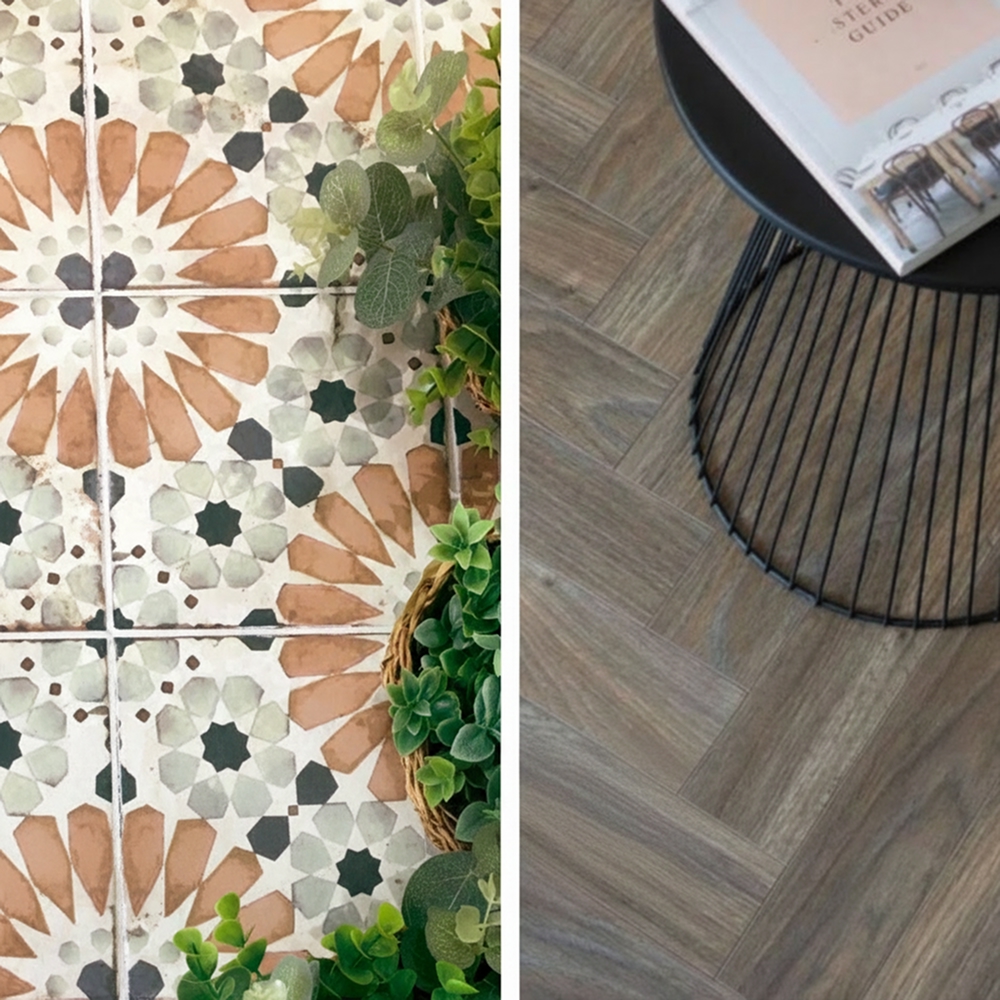
Choosing new floors? We break down the key differences between comfy, low-maintenance LVT and sleek, long-lasting porcelain tile so that you can find the perfect fit for your style and home.
LVT or porcelain tile? If you're weighing it up, you're probably trying to get the right look without ending up with a floor that feels cold, costs too much to install, or wears out too quickly.
Both are strong options. They just do different things well. Luxury vinyl flooring (LVT) is softer, warmer, and easier to install. Porcelain tile is harder, more water-resistant, and better for areas that take a lot of traffic.
This guide breaks down the real differences, how they feel, how they perform, what they cost, and where they work best. By the end, you'll know which one fits your space and your priorities.
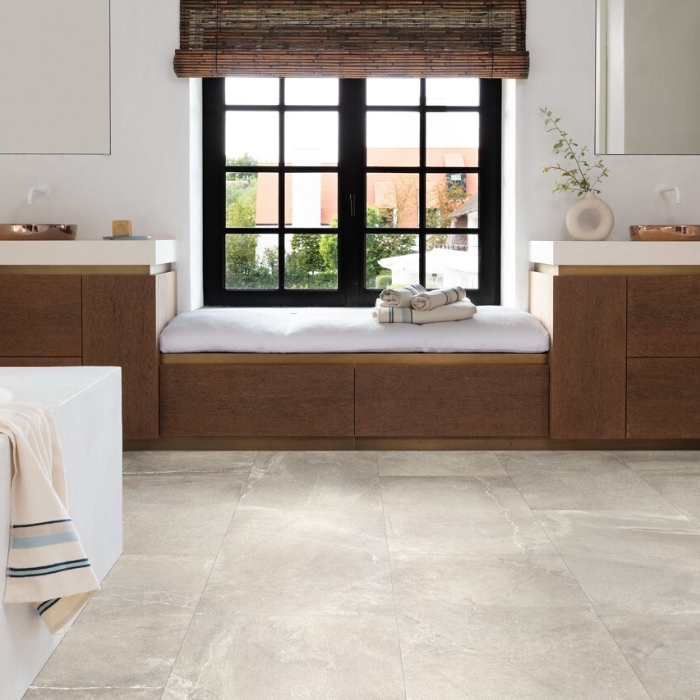
What Are These Floors Made Of?
Before you compare performance or price, it helps to know what these floors actually are and how they behave.
Porcelain Tile
Porcelain is a type of ceramic tile flooring, but it's fired at a higher temperature. That makes it harder, denser, and less porous. It doesn't absorb much water, which is why it's often used in bathrooms, hallways, and even outside.
It's made from refined clay and minerals, then shaped and baked at around 1200°C. That heat is what gives it its strength and low porosity. Some tiles are glazed, others are through-body (the colour runs all the way through), and most can handle changes in temperature without cracking.
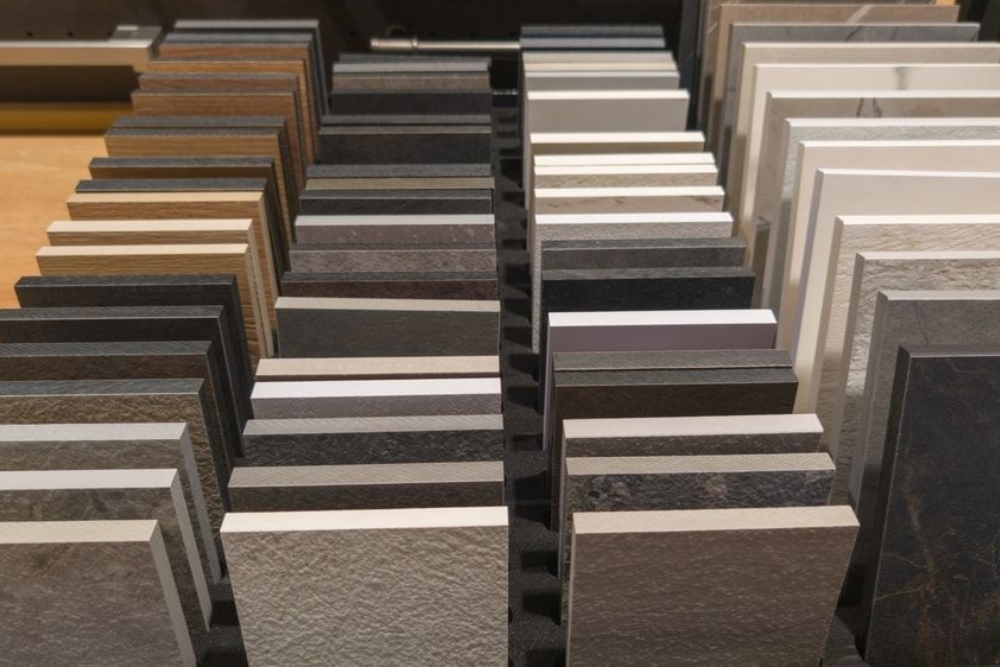
Luxury Vinyl Tile
Luxury vinyl tile, or vinyl plank flooring, is a layered product made from PVC. It's designed to look like wood or stone but with added comfort and flexibility. The top layer is a clear protective coating. Under that, there's a high-res image layer, followed by a stable core and backing layer.
There are two main types:
- Click-fit LVT, which floats over the subfloor and locks together without glue
- Glue-down LVT, which is bonded directly for a firmer, more permanent feel
Modern LVT often has added texture, like embossed or "registered" grain that matches the printed image. Some ranges also include built-in underlay for extra comfort.
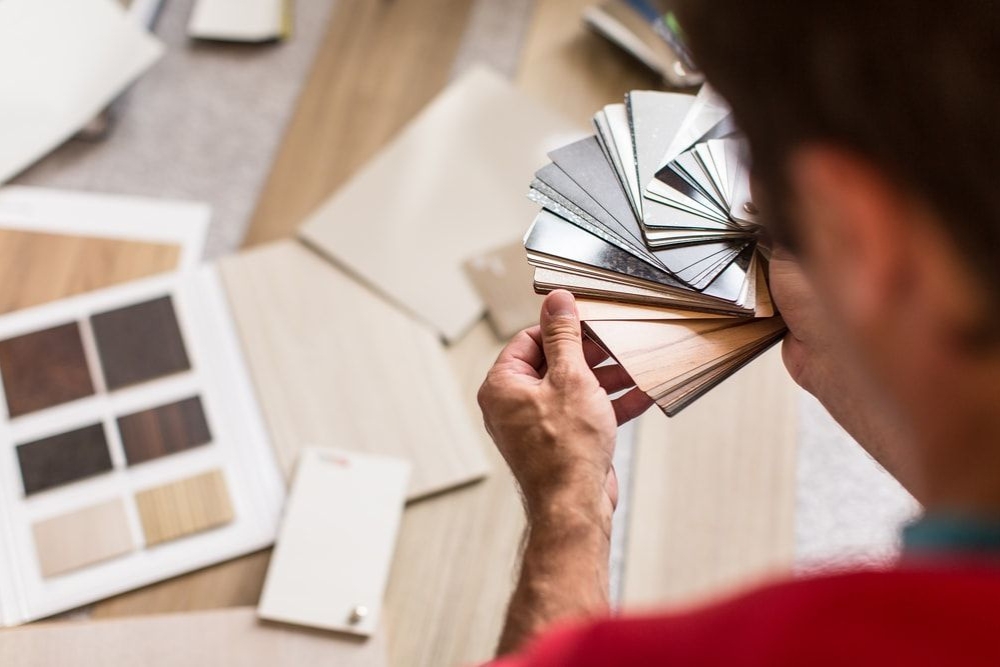
Durability and Lifespan
Porcelain tiles and LVT are both durable, but they handle wear in very different ways. One is built for strength. The other is built for flexibility.
Porcelain Tile
Porcelain is hard-fired and dense, which makes it extremely tough and scratch-resistant. It’s ideal for high-traffic areas and homes with pets. When properly installed, it can last for 20 years or more, often several decades.
But porcelain is also rigid. If your subfloor isn’t perfectly level, or if something heavy drops on it, tiles can crack. Repair usually means replacing the full tile and re-grouting, which takes more time and precision.
Luxury Vinyl Flooring
Luxury vinyl plank flooring is also extremely durable in a different way. It’s softer and more forgiving, so it handles bumps, scrapes, and uneven subfloors without cracking. It doesn’t chip like porcelain and copes well with daily wear, even in busy homes.
The secret to its durability is the wear layer, a clear, protective coating that resists scuffs and dents. High-quality LVT with a thicker wear layer can last 15 to 25 years with proper care.
And if something does go wrong, click-fit planks can often be swapped out without touching the rest of the floor. That makes LVT much easier to maintain long-term, no cracked tiles here!
Style and Aesthetic Options
Both LVT and porcelain tiles come in a wide range of styles. Whether you want a floor that blends in quietly or makes a bold statement, you’ll find options in both categories. But how those looks are created, and how real they feel, is where the difference lies.
Porcelain Tile
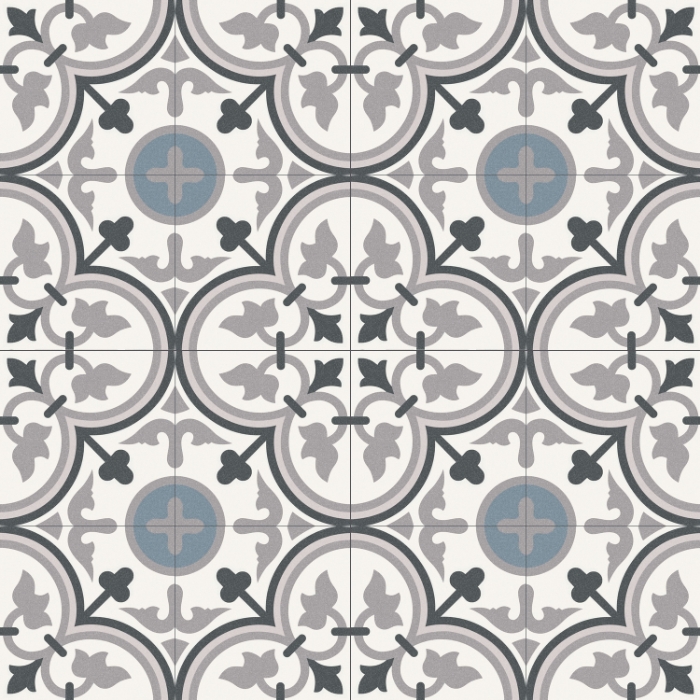
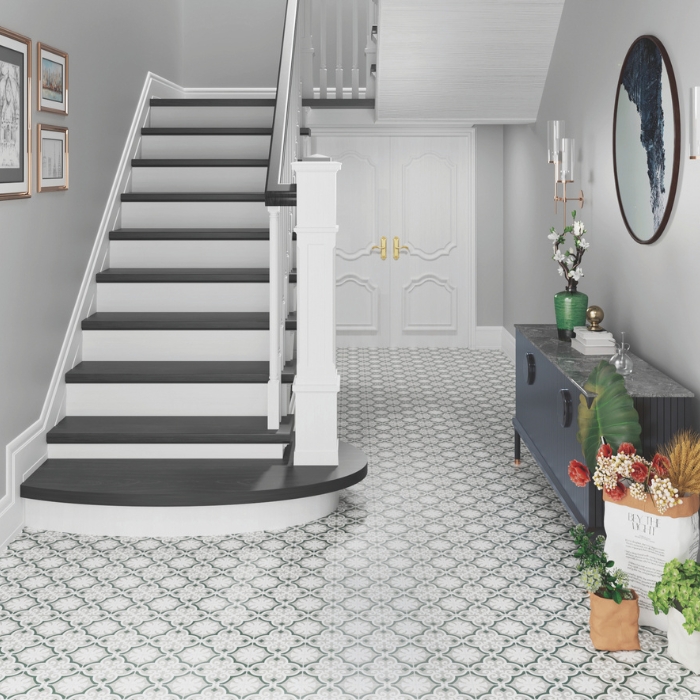
Porcelain has long been used to mimic natural materials. You’ll find tile flooring that looks like wood, marble, concrete, or even patterned cement. Some designs go bold, with geometric shapes or abstract finishes that really stand out.
These looks are created through glazing or printing, then sealed to protect the surface. That gives porcelain a slightly more reflective, smooth finish overall. It also allows it to be used on walls or in mix-and-match layouts for creative designs.
Luxury Vinyl Flooring
Luxury vinyl flooring specialises in realism. It’s designed to mimic natural materials closely using high-res image layers and textured finishes to match the pattern underneath. You’ll often see wood-look planks with visible grain or stone-effect tiles with a subtle matt texture.
Most vinyl planks stick to natural tones and finishes, think real wood, slate, or natural stone, but the detail is strong, and many look and feel like the real thing (without the upkeep).
Some collections, like Moduleo, even include embossed-in-register designs, where the grain texture lines up exactly with the printed pattern. That gives it a more realistic, visually striking finish.
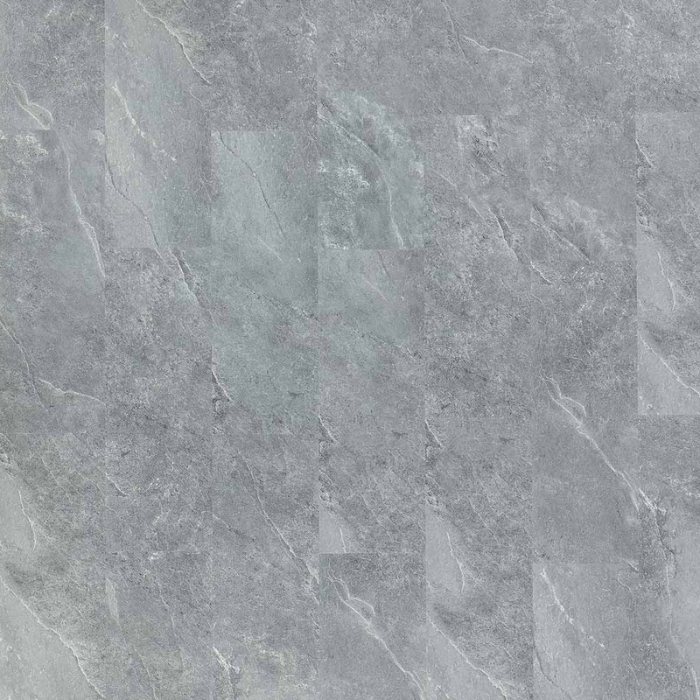
Want your flooring to do something for the room? Universal Rigid Click Highland Slate draws the eye with its textured stone effect surface, ideal for adding depth to a neutral space.
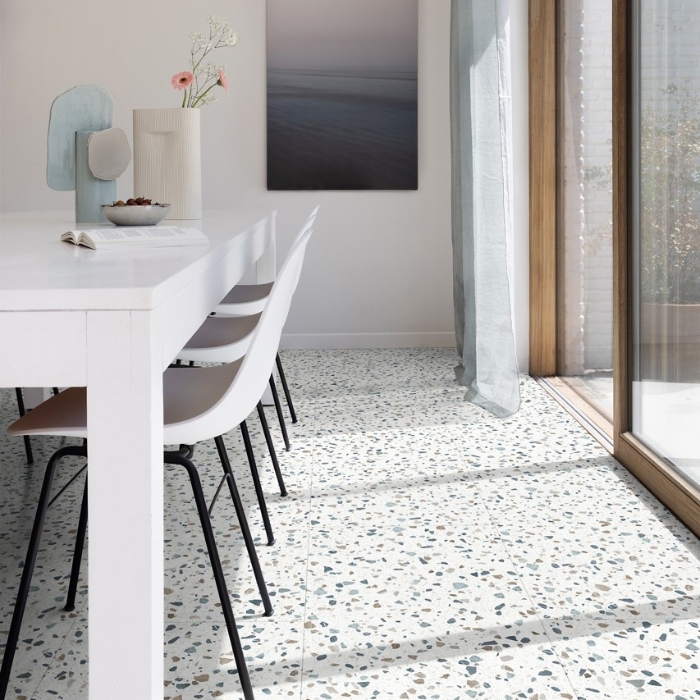
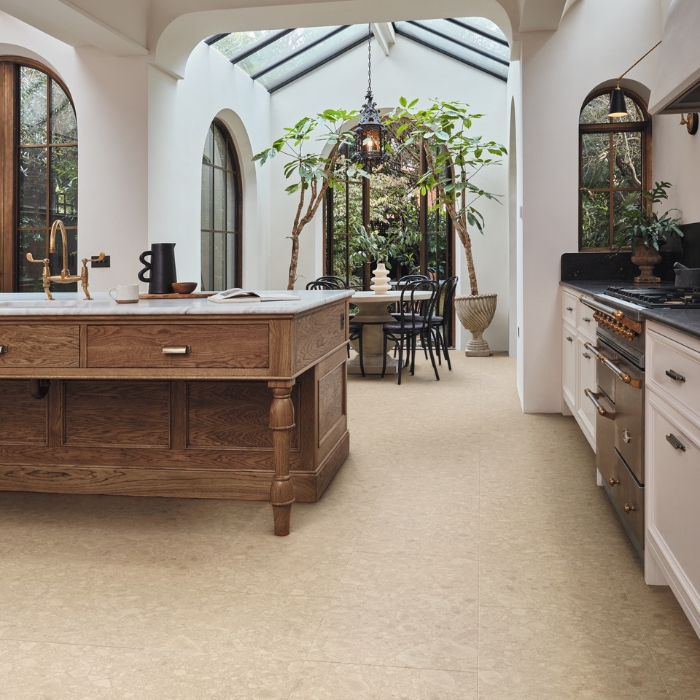
Prefer something more playful? Moduleo Roots Fiastra 46630 gives you a speckled, visually striking terrazzo finish.
For homes that want the feel of natural flooring without the upkeep, LVT gives you warmth, realism, and range.
Installation and Ease of Fitting
How easy a floor is to install often comes down to time, tools, and experience. One of these options is DIY-friendly. The other usually isn’t.
Porcelain Tile
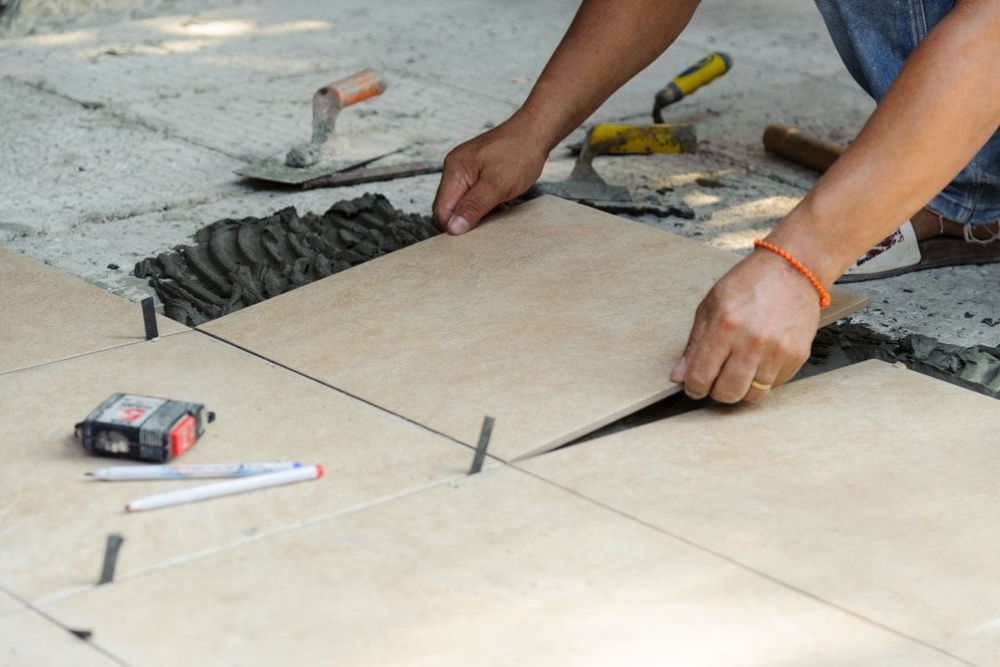
Installing porcelain tiles takes precision. The subfloor needs to be level, clean, and properly prepared. You’ll need tools like a wet saw, spacers, a notched trowel, and a steady hand. Tiles must be cut to fit, spaced evenly, and set with adhesive. Once dry, you’ll need to grout the joints and seal if necessary.
This is nearly always a job for a pro. Professional installation adds cost, but poor tiling work is hard to hide or undo.
Luxury Vinyl Flooring
LVT flooring is much easier to fit, especially click-fit systems. Planks or tiles lock together and can be floated over most clean, flat subfloor, sometimes even over existing floors. You don’t need adhesive unless you're using a glue-down version, which takes more time (and many people choose to work with a pro) but still doesn't require the same tools or skill level as tile.
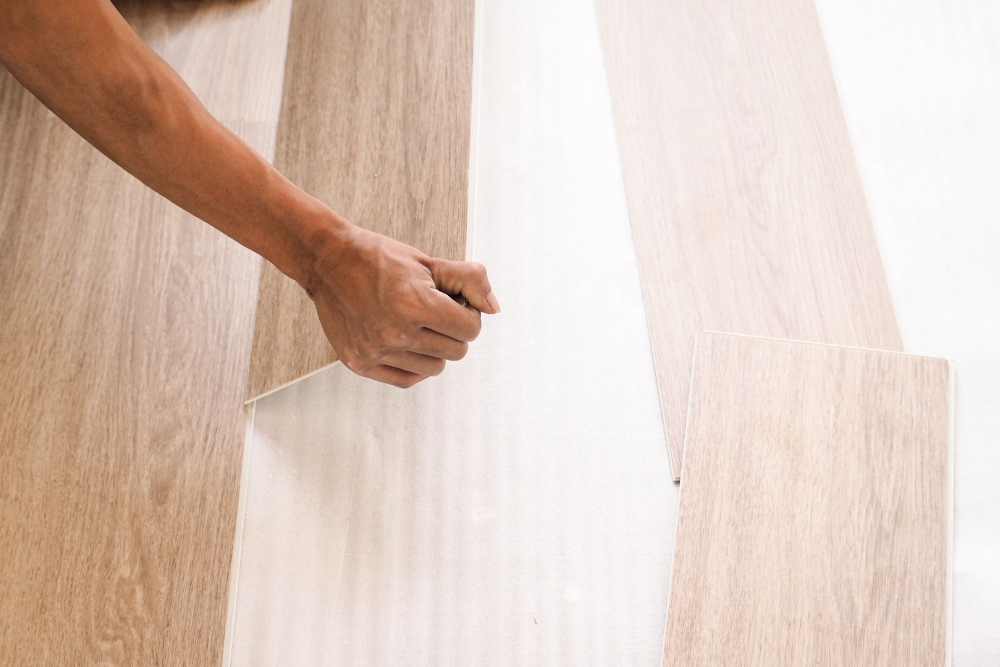
If the floor is prepped and you follow instructions, it’s very possible to get a good finish yourself. No grout, no curing time, no mess. This makes LVT a better option if you want to save on labour costs or prefer to manage the project on your own terms.
If you’re after a fuss-free DIY job, Moduleo LayRed Millstone 46200 is a great click-fit option. The engineered structure means it clicks into place with minimal prep.
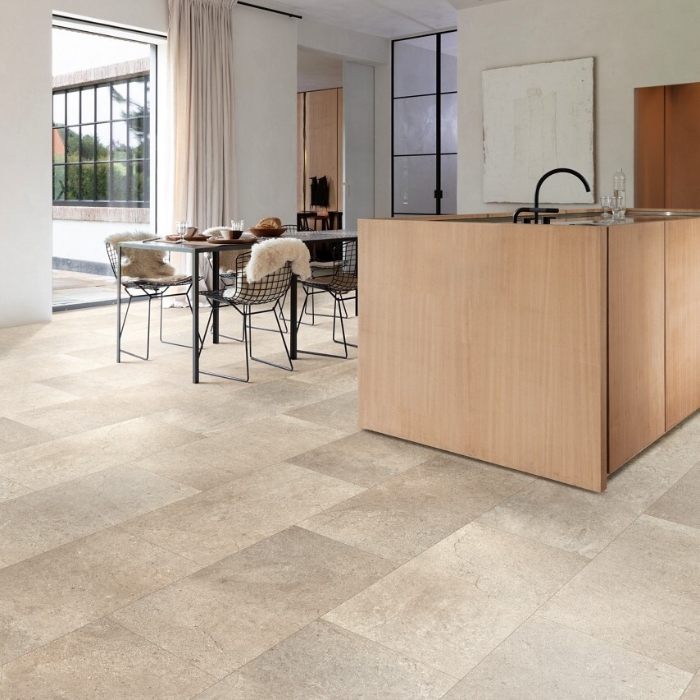
Prefer a glue-down tile with a more expressive design? Karndean Art Select Sabbia Ceppo is robust and secure, ideal for long-term wear in busy homes.
Maintenance and Repairs
Once the floor is down, what does it take to keep it looking good? And if something gets damaged, how easy is it to sort out?
Porcelain Tile
Porcelain tiles are easy to clean. A sweep and a mop are usually enough. They resist stains and don't hold onto dirt, but the grout lines can be more of a pain. Over time, grout can discolour or attract mould, especially in wet areas. You’ll need to reseal grout occasionally to keep it looking fresh.
If a tile cracks or chips, it can be replaced, but it’s not always simple. You’ll need to remove the damaged piece, reapply adhesive, and re-grout. Matching older tiles can also be tricky if the style has been discontinued.
Luxury Vinyl Flooring
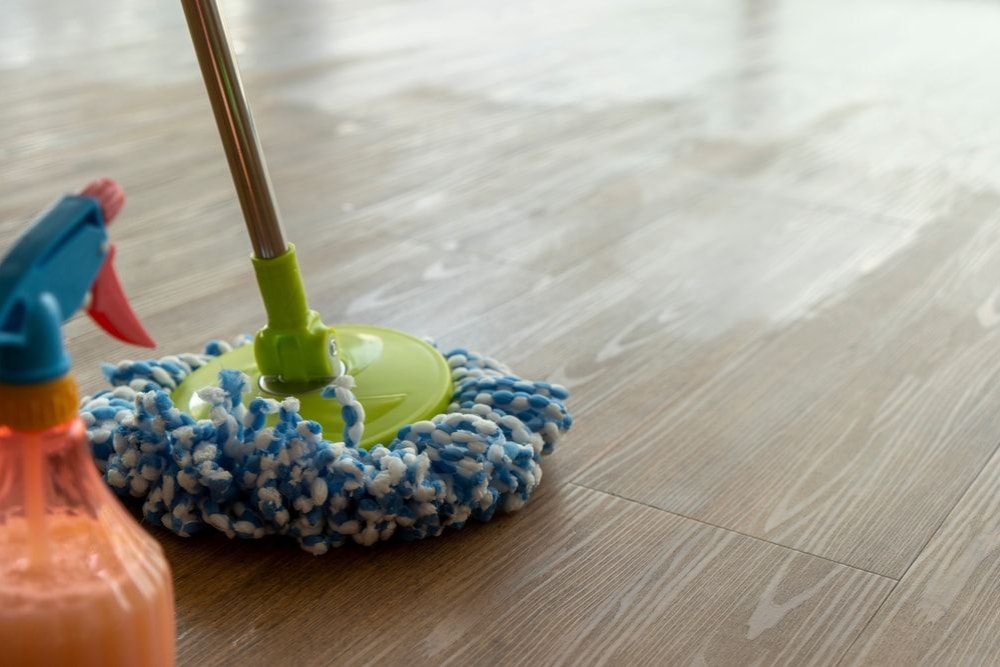
LVT is low maintenance. Just sweep regularly and use a damp mop with a vinyl-safe cleaner when needed. There are no grout lines, and the surface doesn’t require sealing. Most vinyl flooring is also resistant to stains from spills, which makes it ideal for kitchens or homes with pets.
If a section gets damaged, repair is usually easier than with tile, especially if it’s a click-fit system. You can swap out a plank without having to pull up the whole floor.
For glue-down LVT, repairs take more time but are still manageable with the right tools.
Cost and Value
Cost isn’t just about what you pay upfront. It’s also about installation, lifespan, and how well a floor holds up over time.
Porcelain Tile
Porcelain tiles usually cost more per square metre than luxury vinyl flooring. You’re also paying for professional installation, which adds to the total. You’ll need extra materials like grout, adhesive, and possibly a primer or levelling compound, depending on the subfloor.
Repairs, when needed, tend to be more time-consuming and may require a specialist to match or replace damaged tiles.
On the upside, porcelain tiles can add resale appeal in bathrooms or kitchens, especially if the finish is high quality and the fit is seamless.
Luxury Vinyl Flooring
LVT flooring is more cost-effective overall. It’s cheaper per square metre in most cases, and many homeowners can install it themselves. Even with glue-down options, the prep and labour tend to be lighter.
There’s no grout to buy, fewer tools needed, and if you ever want to refresh the space, it’s easier to remove or replace.
Modern vinyl flooring can also contribute to the resale value of a home when it’s used well, especially in open-plan living areas or multiple rooms where a clean, connected look matters.
If you’re renovating on a budget or updating more than one space, LVT flooring offers better value with less stress
Where They Work Best
The right floor depends on where you’re putting it. Here’s how porcelain tile and LVT stack up in different areas around the home.
Kitchens
Both work well, but LVT is often the more comfortable choice if you’re on your feet a lot. It’s also quieter and easier to clean, especially if you're trying to avoid grout lines.
Bathrooms
Porcelain is fully waterproof and ideal for wet rooms or shower areas. But good quality glue-down LVT also works well in bathrooms if it’s fitted with care and proper sealing.
Hallways and Entrances
Porcelain can take knocks and heavy footfall. But LVT’s flexibility makes it better at handling uneven subfloors, and it reduces noise, a big plus if you’ve got kids, pets, or thin walls!
Living Spaces and Bedrooms
This is where LVT shines. It’s warm underfoot, softens sound, and blends well with open-plan layouts. Porcelain can work, but it may feel cold or too hard underfoot in more relaxed spaces.
Outdoor or Wall Use
Only porcelain is suitable here. LVT isn’t designed for exposure to weather or direct sunlight, and it’s not recommended for walls.
Quick Comparison: LVT vs Porcelain Tile
| Feature | Porcelain Tiles | Luxury Vinyl Tiles |
|---|---|---|
| Durability | Very hard, scratch resistant, can crack on impact | Flexible, resists dents and chips, handles subfloor issues well |
| Lifespan | 20–50 years with proper installation | 15–25 years with good care and wear layer |
| Water Resistance | Fully waterproof, good for wet rooms and outdoor use | Water resistant, best for indoor use only |
| Comfort | Cold and hard underfoot | Softer, warmer, more forgiving |
| Sound | Echoes and amplifies noise | Quieter, absorbs footfall and ambient sound |
| Style Range | Natural and patterned looks, suitable for walls too | Realistic wood and stone effects, embossed textures |
| Installation | Complex, requires specialist tools and skills | Click-fit or glue-down, suitable for DIY |
| Maintenance | Easy to clean but grout needs upkeep | Easy to clean, no grout, low maintenance |
| Repairs | Remove and re-grout tile if cracked | Swap out planks (easier with click-fit systems) |
| Cost | Higher upfront and fitting cost | Lower material and install cost |
| Where It Works | Indoors, outdoors, walls, wet areas | Indoors only — kitchens, bathrooms, bedrooms, living areas |
Quick Decision Guide
Still undecided? Here’s a breakdown to help you choose based on what matters most to you.
Choose Porcelain Tile if:
- You’re tiling an outdoor area, wet room, or bathroom with heavy water use
- You need maximum surface hardness for high-impact zones
- You want decorative or wall tile options with a glossy finish
- You’re working with a pro fitter and don’t mind a higher installation cost
Discover all of our porcelain and ceramic tiles for more inspiration.
Choose LVT if:
- You want a floor that’s soft, warm, and comfortable underfoot
- You’re looking for something that’s easy to install or suitable for DIY
- You want a consistent look across multiple rooms
- You need a cost-effective solution that still looks great
- You care about quietness, warmth, or flexibility in older homes
Explore the full vinyl flooring range for more ideas.
So, Which One’s Right for You?
Porcelain tile and LVT are both strong flooring options, but they work in different ways. Porcelain is hardwearing, waterproof, and well-suited to wet rooms, patios, and walls. But it’s heavy, expensive to install, and less forgiving once it’s in.
LVT offers a more flexible, user-friendly alternative. It’s easier to fit, softer underfoot, and better at handling sound and warmth. For most homes, especially busy ones, it’s the more practical choice, whether you’re updating a hallway, a kitchen, or the whole downstairs.
If you’re looking for the right flooring without the hassle, you can explore the full vinyl range at Best4Flooring and find a style that fits your space.
FAQs
What’s the difference between porcelain tile and LVT?
The key difference is in how the materials differ. Porcelain tiles offer a harder material with more scratch resistance and full waterproofing. Luxury vinyl tile is softer, more flexible, and often allows for easy installation. Both flooring types have their place depending on your space and priorities.
Which is more eco friendly?
Some LVT products use recycled materials in their backing layers, which makes them a better option than you might expect. However, porcelain tile is made from natural clay and minerals. If sustainability is a priority, check the manufacturer’s sourcing and certifications.
Is LVT a good alternative to hardwood flooring?
Yes. LVT mimics wood planks closely and offers a pet friendly, scratch-resistant, and water-resistant surface. It’s a solid choice if you love the look of hardwood but want something more practical.
What’s the best choice for a bathroom floor?
If the area will see standing water or steam, porcelain tile is a safe bet, especially when properly sealed. But glue-down LVT can also perform well in a bathroom with the right prep and ventilation. Avoid sheet vinyl unless it’s high quality and correctly installed.
Which option has lower installation complexity?
LVT wins here. Floating floors like click-fit LVT go down quickly without adhesives. Porcelain, on the other hand, usually needs tile cutters, grout, and professional help. That affects both time and overall cost.
What’s better: LVT or porcelain tile?
It depends on what you need. For comfort, lower cost, and flexibility, LVT is often the right flooring. For wet areas, patios, or wall applications, tile vs LVT leans in porcelain’s favour. But for most homes, LVT covers a wide array of needs with less hassle.
What if one part of the floor gets damaged?
If a porcelain tile cracks, the affected piece must be removed and re-grouted. With LVT, you can usually just swap out the damaged plank. That makes repairs easier, especially with click systems.
Can either floor handle harsh chemicals?
You shouldn't use strong chemicals on either surface. Mild cleaners and damp mops are enough for both. Always follow the manufacturer’s care guide to keep the durable surface looking its best.
Related Posts