

The Ultimate Guide to Carpet Underlay
- 9 Jun 2025
- Sarah Parker
The often-underestimated yet vital layer of support beneath our beloved carpets – underlay! Whilst not the star of the show, carpet underlay plays a significant role in the performance, longevity, and comfort of your carpet.
Carpet underlay does more than just cushion your steps. It adds warmth, helps reduce noise, and protects the carpet above. Skip it (or choose badly), and you’ll notice the difference fast.
The best carpet underlay improves comfort and keeps your carpet looking better for longer. It also helps stop heat escaping through the floor, especially on wooden floors or in upstairs rooms.
This guide explains how underlay works, what types suit different rooms, and how to choose the right one for your home. If you’re ready to compare options and find your new underlay, explore our full range, and while you’re there, take a look at our carpets too. Whether you’re after a soft feel underfoot or something that handles high traffic with ease, we’ve got styles to suit every space.
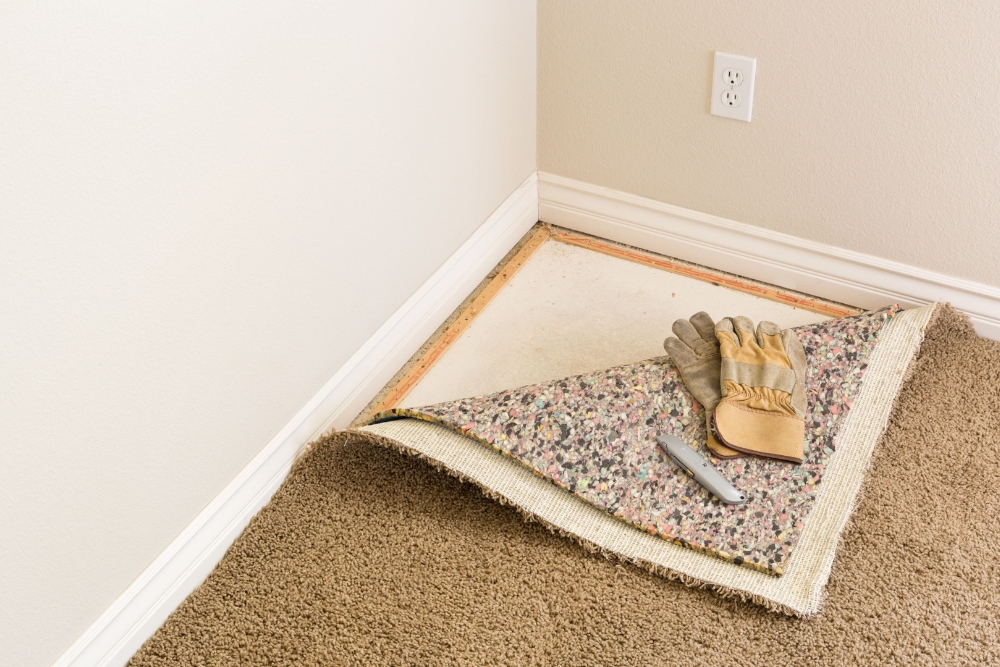
What Does Carpet Underlay Actually Do?
Think of carpet underlay as the bit that does all the heavy lifting. You don’t see it, but you feel the difference every day.
A good carpet underlay cushions your step, keeps the heat in, and cuts down on noise between rooms. It sits between the carpet and the floor, adding support and protection to both. The best ones act like a shock absorber, softening the impact of foot traffic and helping to give a more luxurious feel underfoot.
If you skip the underlay or choose the wrong type, your carpet wears out quicker, fact. It flattens, loses bounce, and can even shift out of place. That’s especially true in rooms where you walk a lot.
Here’s what the best carpet underlay does for you:
- Adds extra cushioning, so the carpet feels softer
- Helps with reducing noise
- Keeps warmth in, which can help you save money on heating costs
- Extends the life of your carpet by reducing wear and tear
- Creates a smoother surface for new carpet installation
In short, underlay isn’t just a ‘nice to have’!
Types of Carpet Underlay
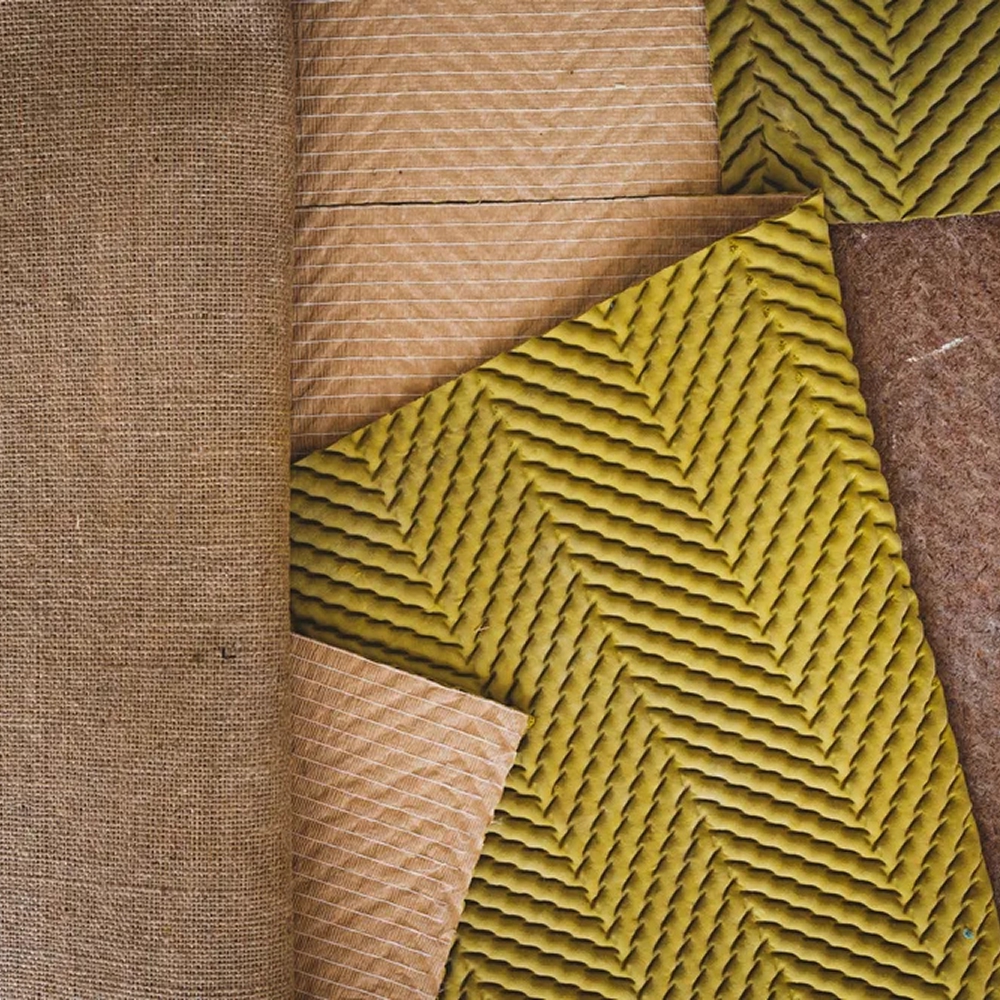
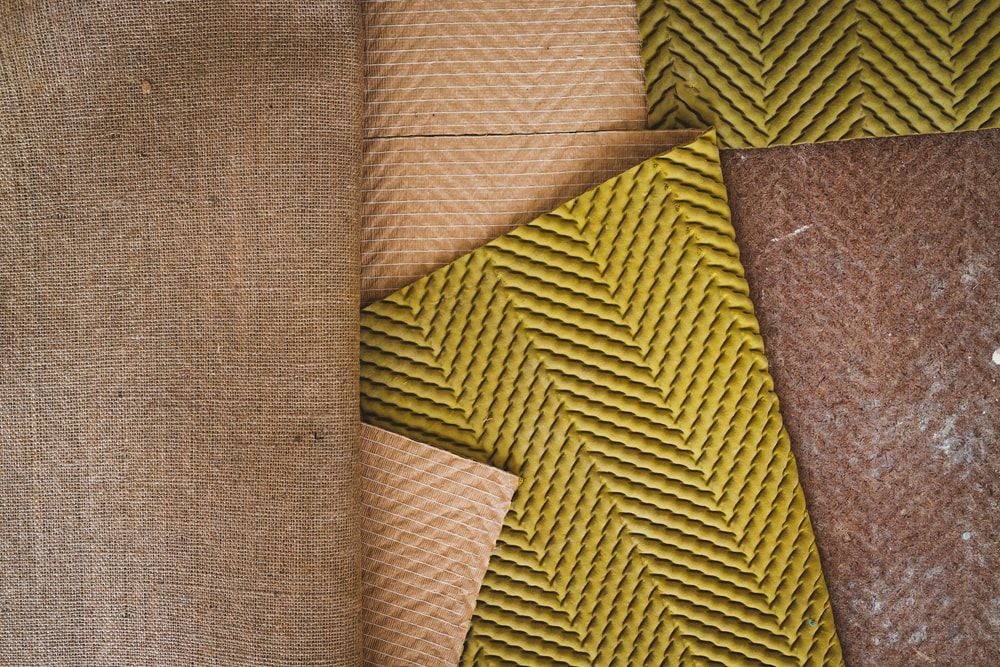
Not all underlay is the same. The best carpet underlay depends on your room and what you want from your carpet. Some types focus on warmth. Others reduce noise or stand up to daily wear. Here’s a breakdown of what’s out there and where each type works best.
PU Foam Underlay
Made from recycled furniture foam, PU foam is lightweight and easy to fit. It offers good bounce and insulation, which makes it a popular choice in most rooms at home. If you want a softer underfoot feel without going over budget, this is a solid all-rounder. It works well in bedrooms, lounges, and spaces where comfort matters most.
Crumb Rubber Underlay
This is the tough one. Crumb rubber carpet underlay is made from recycled car tyres, so it’s dense, springy, and great for high-traffic areas. It’s firm enough to support the carpet without letting it sag, and it adds real strength underfoot. Use it on stairs, in hallways, or anywhere you want a long-lasting finish.
Sponge Rubber Underlay
A bit softer than crumb rubber, sponge rubber underlay offers reliable cushioning and holds up well in busier parts of the house. It works on both wooden and concrete floors and provides a balance of comfort and resilience. Choose this if you want extra support without losing softness.
Felt Underlays
Traditional wool felt underlay is thick, warm, and a great fit under natural carpets. It gives your floor a soft feel and helps keep in heat, especially in bedrooms. Some felt underlays are made from recycled fibres, so they’re also a more eco friendly option.
Combination Underlay
This blends two or more materials to get the best of both. You might see felt and rubber or foam and film layered together to offer better stability and insulation. Combination underlays can suit rooms where you want comfort and durability without choosing one over the other.
How to Choose the Right Carpet Underlay
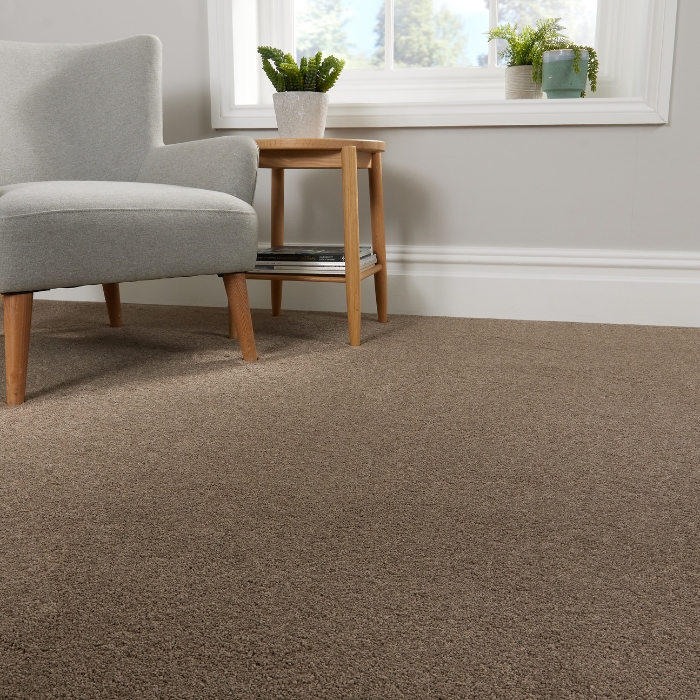
The best carpet for your home depends on where you’re laying it and what matters most to you. Is your space cold underfoot? Does sound travel easily between rooms? Are you fitting carpet on stairs that take a beating every day?
Here’s what to think about before choosing carpet underlay or the right type of carpet for your space.
Start with the room. Bedrooms and living rooms usually benefit from something with superior cushioning, like foam or felt. These help retain heat and feel comfortable underfoot. If you're working with high-traffic areas like hallways or stairs, crumb rubber is a better choice. It’s dense, durable, and helps your carpet keep its shape. For kitchens or utility rooms, moisture resistance becomes more important, so choose something hard-wearing and stable.
Think about what’s under the carpet, too. If you’re laying over concrete, you’ll want an underlay that offers thermal insulation, like sponge rubber or felt. These help reduce heat loss and make the room feel warmer. On wooden floors, most underlays will work, but choose one that keeps things quiet and prevents slippage.
Need an underlay for underfloor heating? You'll need an underlay with a low tog rating to let the warm air pass through. Some underlays are made specifically for this, so check the spec before you buy. Avoid thick or heavily insulated underlays in these areas as they block heat.
And if sound or warmth is a concern, go for a thicker underlay with better insulation properties. These are especially helpful in flats or upstairs rooms where you want to keep heat in and noise out.
Here’s a quick guide to help match underlay to the right space:
| Room Type | Ideal Underlay Type | Key Benefit |
|---|---|---|
| Bedroom/ Living | PU Foam or Wool Felt | Warmth and comfort |
| Hallway/ Stairs | Crumb Rubber | Resists flattening and supports durability |
| Kitchen/ Utility | Sponge Rubber or PU Foam | Handles moisture and wear |
| Concrete Floors | Sponge Rubber or Felt | Helps retain heat and reduce cold transfer |
| Wooden Floors | PU Foam or Combination Type | Adds grip and softens sound |
| Underfloor Heating | Low Tog-Rated Underlay | Allows heat to pass through efficiently |
Need help picking the right one? You can always compare options in our carpet underlay collection.
Underlay Options That Work Hard (So You Don’t Have To)
Once you know what your room needs, picking the right product is easier. Here are three tredaire carpet underlay options from our range that cover a lot of bases, from warmth and comfort to durability and eco credentials.
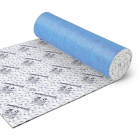
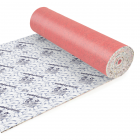
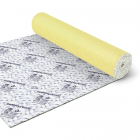
Tredaire Dreamwalk is all about comfort underfoot. This 11mm PU foam underlay is dense, soft, and built for insulation. With a high tog rating of 3.13 and sound reduction of 44 dB, it’s a top choice for bedrooms and living rooms where warmth and quiet matter. It’s also made from 100% recycled foam, so it’s a more eco-friendly option for your home.
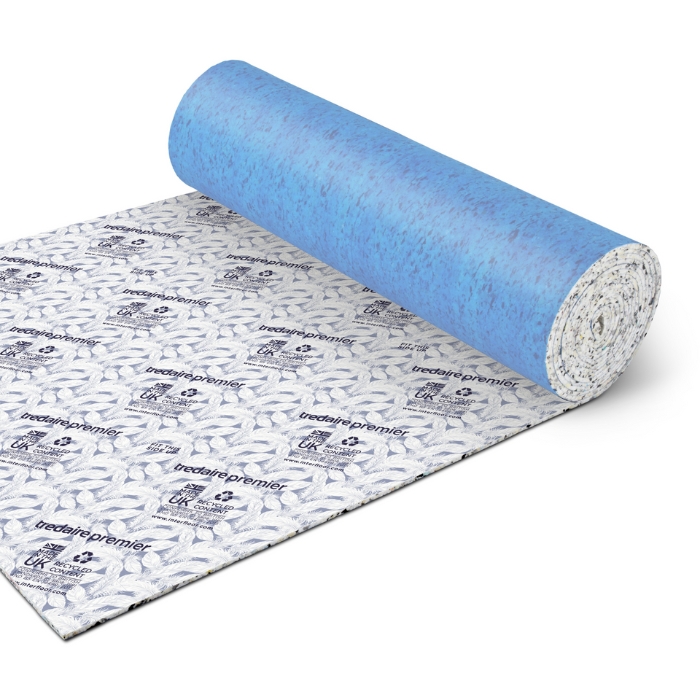
Tredaire Chromium is built for tougher jobs. It’s a high-density PU foam that performs well in both busy homes and commercial settings. At 9mm thick with a tog rating of 2.26 and 42 dB sound insulation, it balances comfort with resilience. This one works especially well in hallways, offices or anywhere with heavy foot traffic.
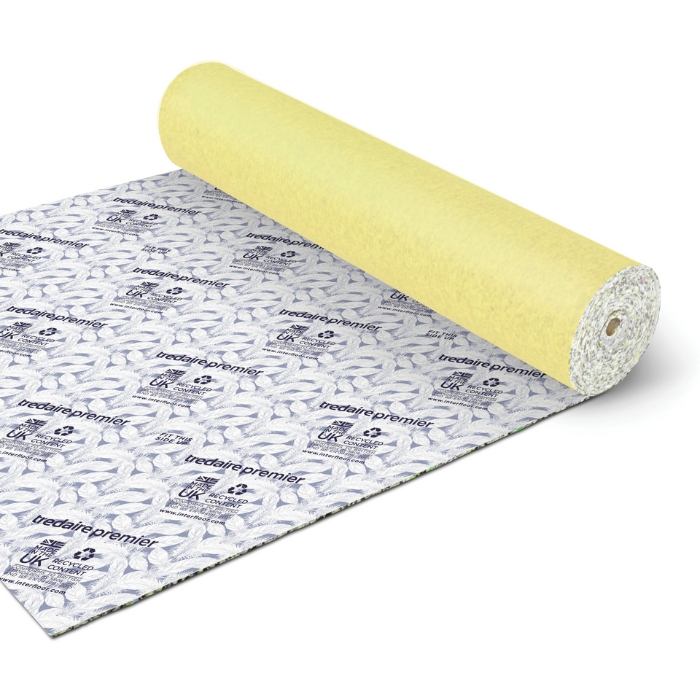
Tredaire Softwalk sits nicely in the middle. With a thickness of 9mm, it’s softer than Chromium but still holds its shape. You get excellent heat retention and sound reduction up to 41 dB. Ideal for living rooms or flats where you want peace and warmth without sacrificing comfort.
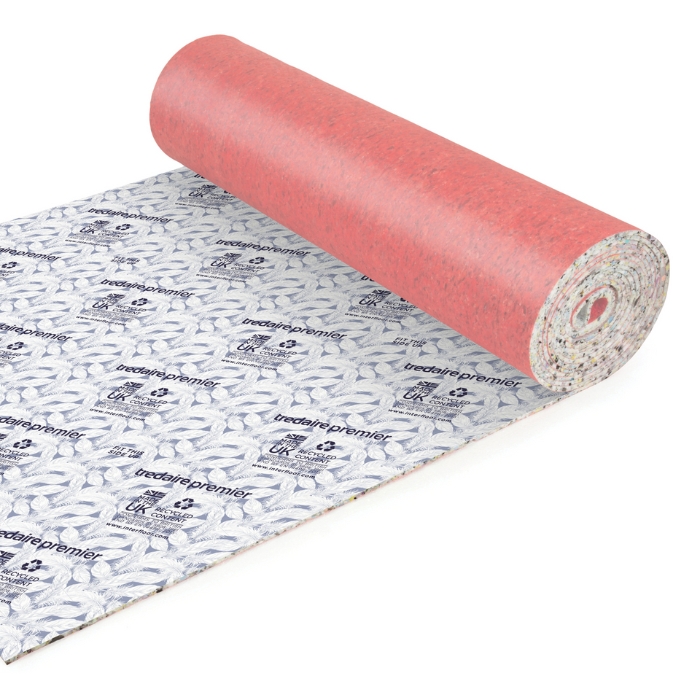
Each of these fits a different need, and all three use PU foam for lasting support and easier fitting.
What Makes a Hard-Wearing Underlay?
If your carpet gets a lot of use, you’ll want an underlay that can withstand heavy foot traffic. Hallways, stairs, and living rooms all need something that stands up to wear and doesn’t flatten after a few months. That’s where a hard-wearing underlay really earns its keep.
The best underlay for these areas has a dense structure that supports the carpet pile and absorbs pressure from shoes and furniture. They help to absorb shock, so your floor feels solid while protecting it underneath.
Crumb rubber underlay is one of the top picks here. It’s made from recycled car tyres, so it’s tough, springy, and doesn’t give in easily. You’ll find it holds up better than most foam underlays in high-traffic areas.
Sponge rubber underlay is another good option. It has enough give to feel soft underfoot but still supports the carpet well. It works especially well on concrete or in older homes where the floor isn’t perfectly level.
And if you’re working with natural pile carpets or wool blends, a wool felt underlay adds weight and warmth while giving your carpet a classic, cushioned feel. Some of these are also made from recycled materials, which makes them an eco-friendly option as well.
Need a quick rule of thumb? The heavier the use, the denser the underlay should be.
Underlay and Carpet Compatibility
Choosing the best underlay isn’t just about comfort. It’s about making sure your carpet performs well and stays in place. Different carpet types need different levels of support, and choosing the wrong one can cause problems like bunching, stretching, or early wear, and no one wants that!
Here’s how to match your underlay to your carpet pile and room setup:
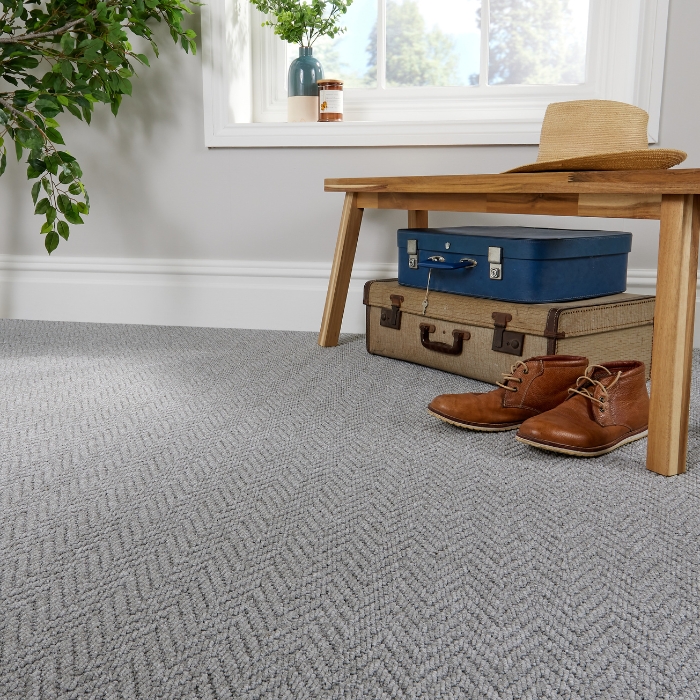
- Loop pile carpets, like Berber, need a firmer underlay. These carpets don’t have as much give, so a soft underlay can make them buckle or wear unevenly. Go for something with medium to high density, like rubber underlay.
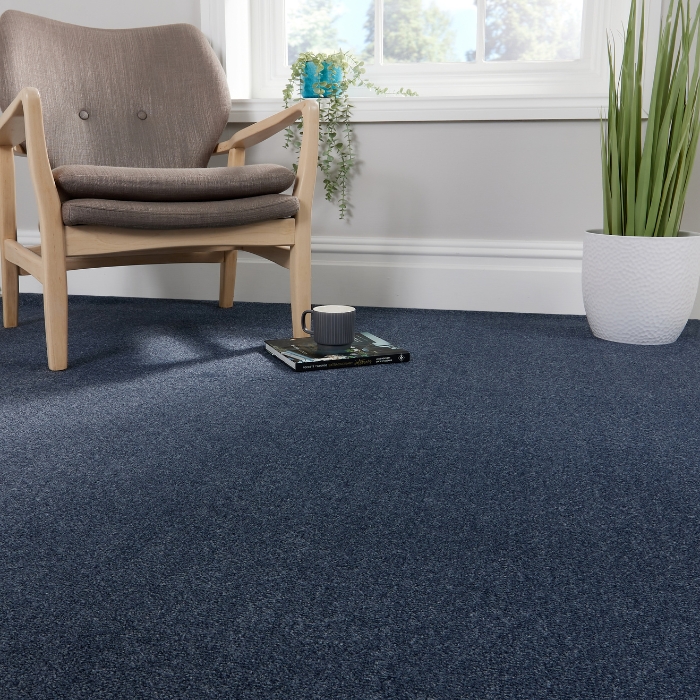
- Cut pile carpets, such as Saxony or twist pile, pair well with a softer underlay like PU foam. This gives the carpet more bounce and helps the pile stay plush.
- If you’re fitting a new carpet in a room with underfloor heating, use an underlay with a low tog rating. This ensures warm air can travel through without getting trapped underneath. Sponge rubber or specially designed thermal underlays are good choices here.
- For homes with wooden floors, a bit of grip helps. Choose an underlay that keeps the carpet in place and provides some sound insulation, especially in flats or upstairs rooms.
- On a concrete floor, you’ll want something with better thermal insulation. Rubber underlay and felt underlays are both solid picks for warmth and support.
No matter which carpet you’re using, make sure the underlay works with both the subfloor and the room use. That way, you’ll get the right level of softness, structure, and sound control without compromising on wear.
Want to compare your options side by side? You can browse our full range of carpet underlay here.
Ready to choose the best carpet underlay for your home?
From soft underlay that makes your carpet feel cosier to resilient options that stand up to daily wear, we’ve got what you need. Compare tog ratings, explore options for concrete floors or underfloor heating, and find the right fit for your space. Shop Carpet Underlay
Still planning the rest of your home?
If you’re updating more than just the carpet, we’ve also got LVT, sheet vinyl and laminate flooring for kitchens, bathrooms, and busy hallways. You’ll find styles that match every budget and room type, along with helpful flooring advice.
Carpet Underlay FAQs
How much does carpet underlay cost?
Carpet underlay prices vary depending on type and quality. You’ll find options at different price points, from budget-friendly rolls to luxury carpet underlay with extra features.
Can underlay help reduce noise?
Yes. A good quality underlay helps with noise reduction between floors. If sound is a concern, opt for thicker, denser underlays.
Is underlay really necessary for new carpet?
Yes! Skipping underlay affects how your carpet feels, wears, and lasts. It acts as a shock absorber and helps the carpet stay softer underfoot while protecting against wear and tear.
Related Posts