

Can I Reuse My Carpet Underlay?
- 5 Mar 2026
- Adrian Marsh
This guide is for people considering replacing their carpet and wondering if they can reuse their existing underlay. We'll cover when and how reuse is possible, signs you need a new underlay, and how it affects comfort, cost, and carpet performance. If you're wondering whether you can reuse your carpet underlay, this guide will help you decide.
If you've already made up your mind, check out our dedicated guide on choosing carpet underlay or shop our range of underlay now.
Key Points
- Reusing carpet underlay is generally not recommended, unless it is less than 12-24 months old and in excellent condition.
- Old underlay may not provide enough support and can hide issues like compression or moisture damage.
- Some carpet manufacturers may void your warranty if new underlay is not installed with the new carpet.
- Replacing underlay is often recommended to help your new carpet look and perform at its best.
What Is Carpet Underlay?
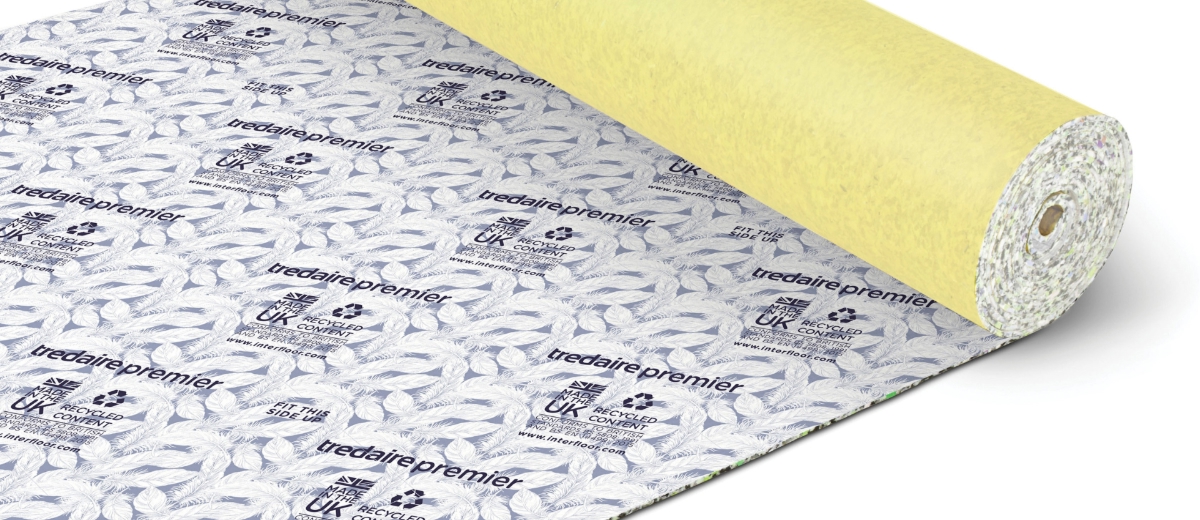
Carpet underlay serves multiple purposes, such as adding comfort, providing insulation, reducing noise, and extending the carpet’s life. You can find carpet underlay in different materials, such as foam, rubber, felt, and recycled fibres. The best type of underlay depends on the flooring you have and its needs. For example, foam underlay provides cushioning and sound insulation, while rubber underlay offers extra durability and moisture resistance.
Now that you know what carpet underlay is and why it matters, let’s explore how long it typically lasts.
How Long Does Underlay Last?
Carpet underlay usually lasts between 10 and 20 years, depending on the material, the quality and amount of foot traffic.
As you can imagine, underlay in high-traffic areas like hallways will have a shorter lifespan than in a spare bedroom. How long it lasts also depends on moisture levels and the wear and tear it’s endured.
Can Carpet Underlay Be Reused?
Yes, you can reuse carpet underlay if it’s still in good condition.
You might wonder if you should bother replacing the underlay, but reusing old underlay can lead to issues like reduced comfort, poor stability, and less insulation when your new carpet goes down.
Inspect the surface for flattening, discolouration and mildew. If it feels flat, brittle, or gives off an unpleasant smell, it’s best to replace it.
Note: Reusing carpet underlay is generally discouraged unless it's relatively new (typically less than 12-24 months old) and in excellent condition. Some carpet manufacturers may void warranties if new carpet is installed over old underlay, so always check warranty terms before reusing. Old underlay under new flooring is a bad combination that you'll likely regret later down the line.
Let’s look at when reusing carpet underlay might work and the benefits it can offer.
When Reusing Carpet Underlay Might Work
If you're able to reuse your underlay, you can save money and time when installing your new carpet, and reduce waste at the same time. Our flooring experts recommend checking every section carefully before you decide.
Reusing underlay can make sense if:
- The existing underlay is fairly new (less than 12-24 months old).
- It shows no signs of stains, mildew, or reduced performance.
- The room has low to medium foot traffic, like bedrooms.
If you're unsure, it's important to know when you should replace your underlay instead.
When You Should Replace It
If your underlay has uneven patches or a noticeable smell, you should replace it. Old underlay loses its cushioning and insulation properties. It can even transfer stains or odours onto your beautiful new carpet. Replacing it gives a better base for new carpet and helps it last longer.
“People are often tempted to reuse carpet underlay to save money, but the feel underfoot can change a lot over time. A quality underlay transforms a room instantly.”

Paul Humphries
Managing Director, Best4Flooring
Signs You Need a New Underlay
Look for these clear signs that your underlay needs replacing:
- Noticeable wear and tear
- A musty or unpleasant smell - See our guide for more advice on choosing the best carpet for pet households.
- Uneven or lumpy areas under the carpet
- Reduced comfort underfoot
- Poor insulation in colder months
If you spot these, buying a new underlay is a good idea.
If you're wondering about when to replace your carpet, see our dedicated guide on how often carpet should be replaced.
Can Underlay Affect Carpet Performance?
Yes. Underlay affects how your new carpet feels and how it wears over time. A flat, tired underlay creates an uneven surface and leads to more wear on your new carpet. Quality underlay acts as a shock absorber, providing cushioning and comfort underfoot. Replacing with high-quality underlay can also reduce heat loss and noise transfer.
Next, let’s look at how to choose a quality underlay.
Choosing a Quality Underlay
Quality underlay adds better comfort and support.
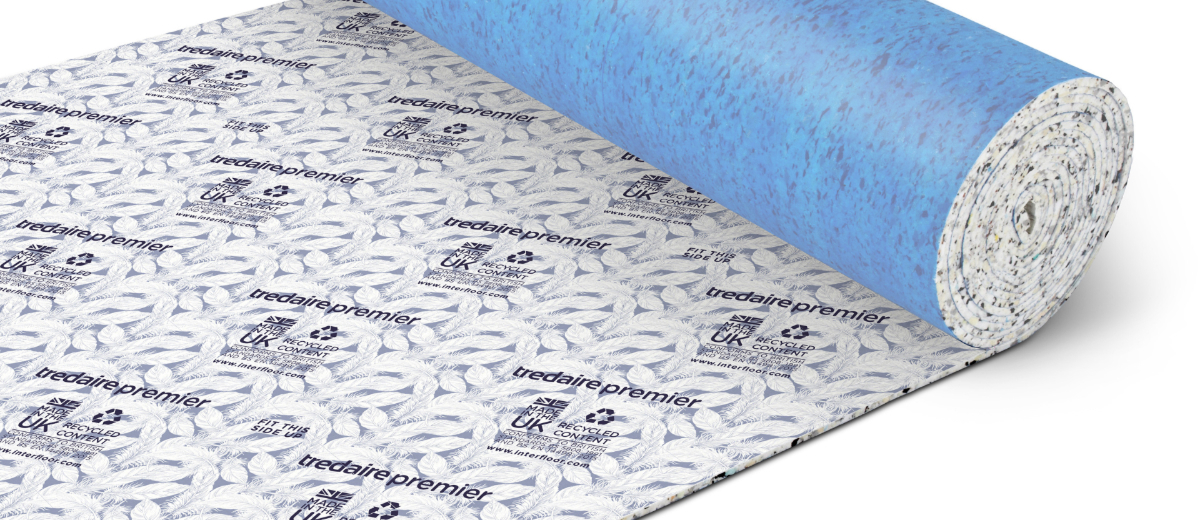
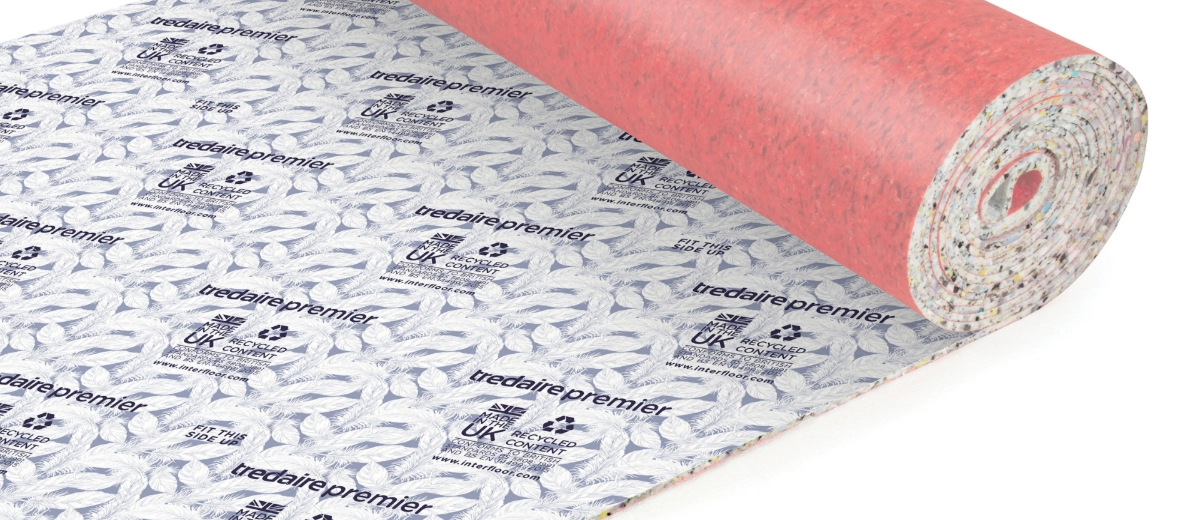
- Foam underlay tends to be light, offering agility and insulation.
- Rubber underlay provides extra durability in high-traffic areas.
A high-quality underlay supports longer wear for any new carpet. See our dedicated guide for more advice on choosing carpet underlay.
Final Thoughts
Reusing carpet underlay is possible, but not always a great idea.
If your old underlay is flat or smells musty, replacing it with fresh underlay helps your new flooring last longer, feel better, and stay cleaner. Choosing a quality underlay is an essential step to protect both comfort and appearance. Shop our full range of underlay now or explore our wide range of carpets to find the right style and colour for your home.
FAQs
Can carpet underlay be reused?
Yes, but only if it’s in good condition and relatively new (<12-24 months). Some carpet manufacturers may void warranties if new carpet is installed over old underlay, so always check warranty terms before reusing.
Does reusing underlay save money?
Yes, sometimes. Reusing carpet underlay can save money in the short term, especially if it's quite new, but it can mean your carpet doesn't last as long, so it can actually be better in the long term to invest in fresh underlay.
How to remove old carpet underlay
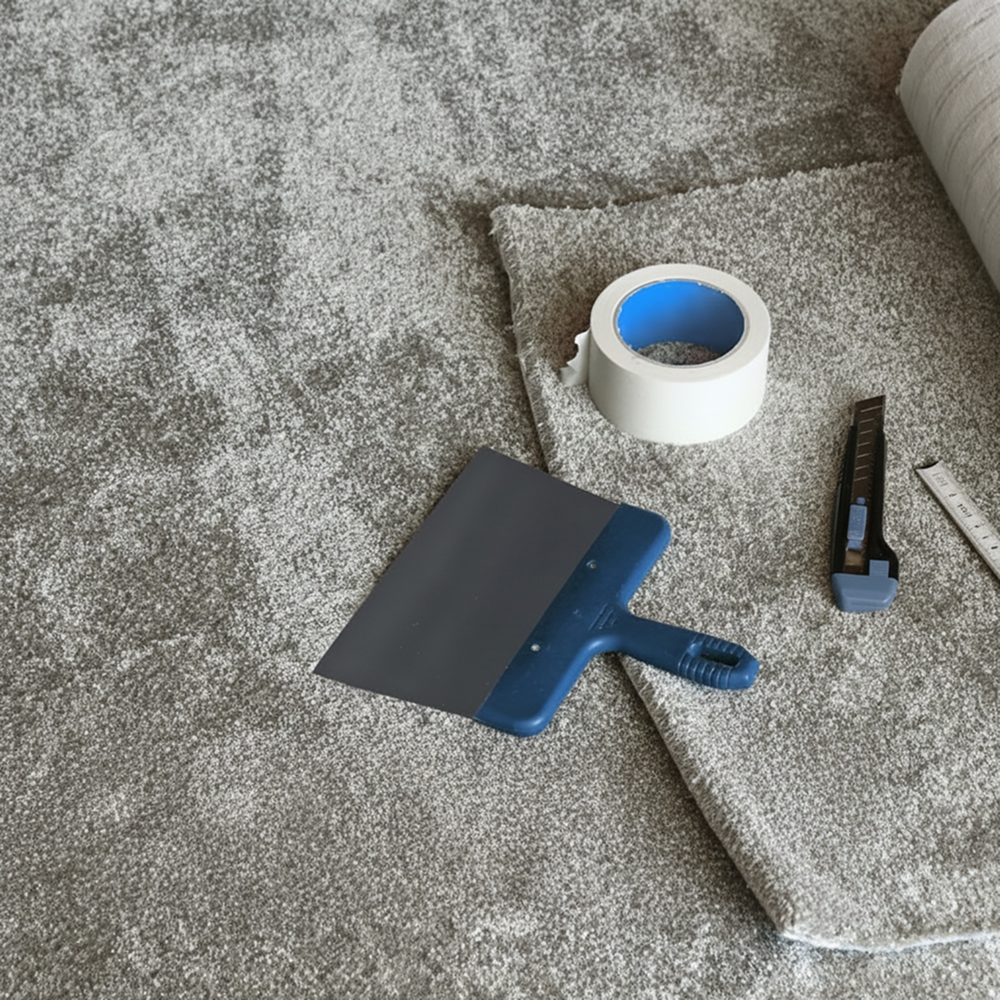
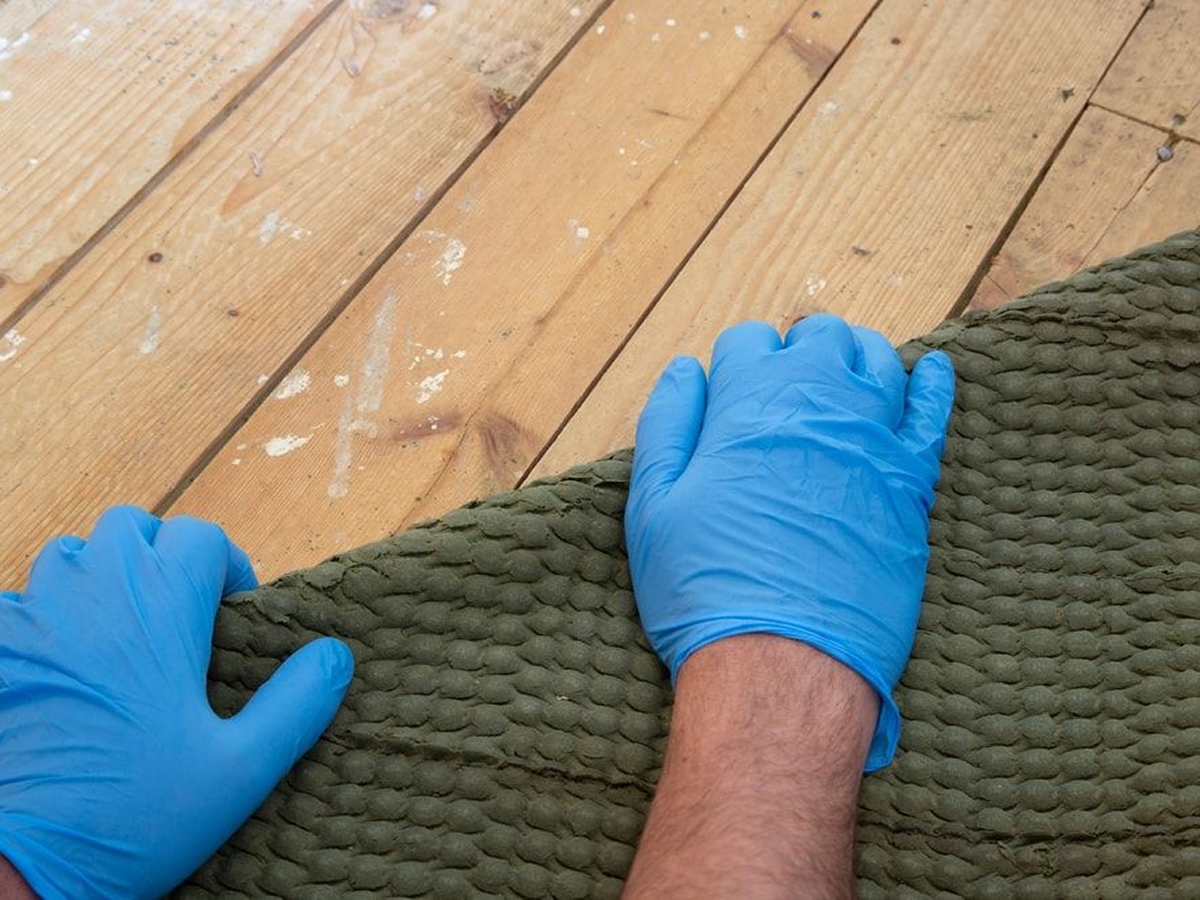
Once you've removed your carpet, pull away the underlay from the tacks, using a scraper to remove any stubborn areas of residue. Cut the underlay into smaller pieces to help with disposal, and try to make sure the subfloor is as clean as possible before the new underlay goes in.
For step-by-step advice on installing a new carpet, read our guide on how to fit a carpet in your own home.
How much should you pay for underlay?
Prices vary by material and thickness. You can expect to spend between £3 and £10 per square metre for quality options.
Can you just replace carpet underlay?
Yes, you can technically replace underlay without changing your carpet, although most people pair a new underlay with a new carpet for the best result.
What are the signs I need a new underlay?
If the carpet feels uneven, smells musty, or lacks cushioning, it needs replacing. Explore our range of carpet underlay to compare options.
How often should you change carpet underlay?
Most people replace their underlay when getting new carpet, which can be typically every 8 - 20 years, depending on wear, moisture, and, of course, style preferences. Read our complete carpet underlay guide for more advice.
Can carpet underlay be recycled?
Many modern underlays use recycled fibres, and most underlays today can be recycled once they’ve reached the end of their life. Always check local recycling guidelines before disposal.
What’s the best type of carpet underlay?
The best carpet underlay depends on your carpet type and room. Foam underlay suits living rooms and bedrooms, while a rubber underlay tends to work best in high-traffic rooms like hallways. Check out our underlay guide for more advice.
Is carpet underlay washable?
Generally, no. Carpet underlay absorbs moisture and washing it is likely to cause permanent damage.
What about different flooring types?
Underlay isn’t just for carpet! Laminate flooring also benefits from underlay to add cushioning and reduce noise. Make sure to choose an underlay specifically designed for laminate flooring.
Does old carpet underlay have asbestos?
Modern products do not, but very old underlay from before 1980 may contain materials that need specialist handling. Always check before removal.
Related Posts