

How Often Should Carpet Be Replaced?
- 17 Mar 2026
- Sam Jackson
Even good quality carpet doesn’t last forever. Over time it starts to look tired, feel flat underfoot, and hang on to smells that just won’t shift no matter how much you clean. Whether it’s from years of foot traffic, everyday spills, or just general wear and tear, most carpets will reach the end of the road eventually.
So, how often should you replace your carpet?
Most carpets last between 5 and 15 years, but a carpet's lifespan depends on the quality, fibre type, how much traffic it sees, how well it’s been looked after. Some give up sooner. Others keep going for longer. This guide helps you spot the signs, understand what affects lifespan, and decide when it’s time to roll out something new.
Before you decide, there are key signs to look for that indicate when it's time to replace your carpet.

Carpet Lifespan: What to Expect
Most people think of carpet as a long-term choice, and it can be, but not indefinitely.
- On average, carpets should be replaced after around 10 years.
- High-traffic areas, like hallways or busy living rooms, may show signs of wear after just 5 to 7 years.
- Low-traffic areas, like spare bedrooms or formal lounges, can stretch the lifespan closer to 15 years, especially with regular maintenance.
Even premium flooring starts to look worn after a decade of daily life. But the key isn’t just the number of years, it’s how the carpet looks and performs in your home.
| Carpet Location/Type | Typical Lifespan | Replacement Timing |
|---|---|---|
| High-traffic areas | 5–7 years | Sooner if visibly worn |
| Low-traffic areas | 10–15 years | Replace as needed |
| Nylon carpet or Wool | Up to 15 years | With regular maintenance |
| Polypropylene/Polyester | 3–10 years | Varies by room and care |

6 Signs It’s Time to Replace Your Carpet
Carpet doesn’t come with an expiry date, but it does leave clues when it’s past its best. Deep stains, significant wear, bare spots, persistent odours, and an uneven surface can all mean your carpet needs replacing. If your flooring is showing any of these signs, it might be time to think about a refresh.
1. Stubborn Stains
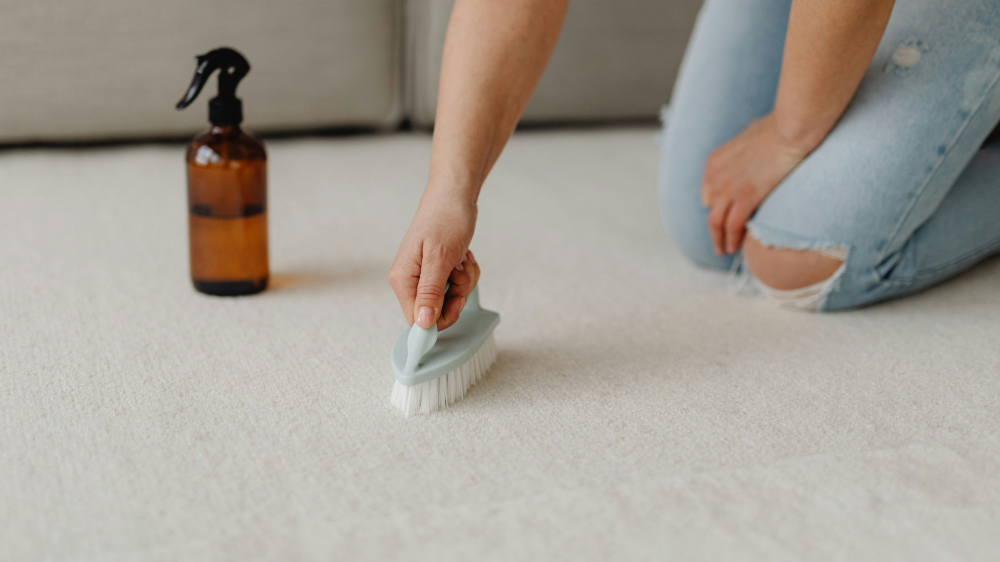
Some spills don’t shift, no matter how fast you treat them. Over time, coffee, red wine stains or pet urine can set in permanently, especially in lighter carpets. If you're struggling with stained carpet that even professional cleaning can't bring back to life, it’s likely reached the end of the road.
2. Lingering Smells
If your room smells musty even after a deep clean, your carpet might be holding on to trapped odours. This is especially common in older carpets or if there’s been a history of spills or pets.
3. Matted or Flattened Pile
Carpets should feel springy and soft. But heavy use flattens the pile, especially in walkways or under furniture. Once the fibres lose their bounce, even vacuuming won’t help. It’s a sign the structure of the carpet is breaking down.
4. Fading or Discolouration
Sunlight, cleaning products, and daily wear and tear can all cause colour loss. If your carpet looks washed out or has patches that don’t match, it could be time for a replacement, especially if you’re redecorating or updating your space.
5. Worn or Uneven Underlay
If your carpet feels lumpy or thin in places, the issue might be the underlay. Padding breaks down over time, and once it starts to collapse, the carpet above won’t sit properly. For the best comfort and longevity, replace both together. Explore underlay options here.
6. Increased Allergy Symptoms
Older carpets can hold onto dust, pet dander, and pollen even with regular vacuuming. If you're noticing more sneezing or itchy eyes, your carpet might be contributing to poor indoor air quality.

If you're ticking more than one of these boxes, it’s probably time to start thinking about carpet replacement.
How to Make Your Carpet Last Longer
Even high quality carpets won’t last forever, but a bit of care goes a long way. Having your carpet cleaned regularly massively helps to maintain its condition and help you squeeze every year of life out of your flooring.
Vacuum regularly
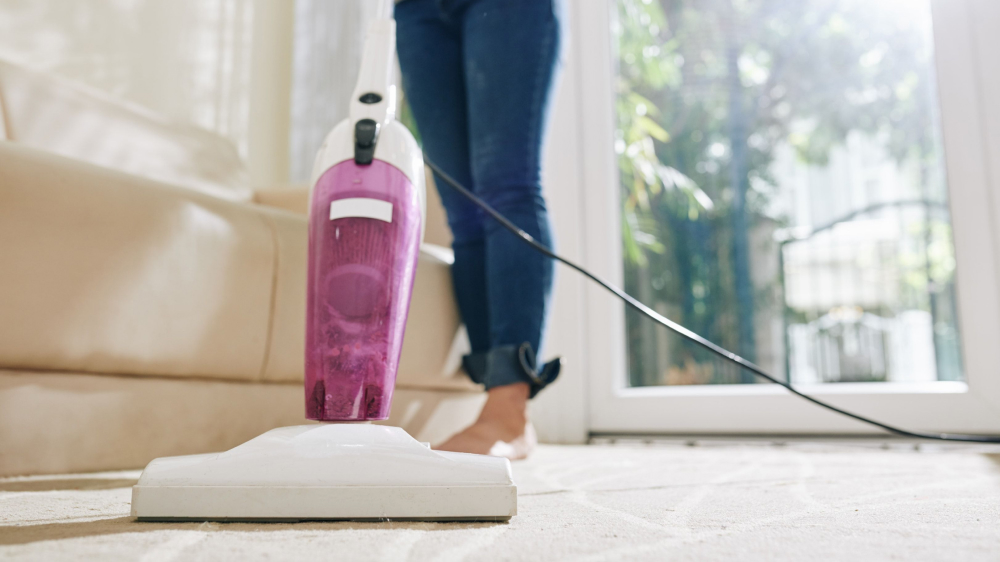
Dirt and grit don’t just make carpets look dirty. They wear down the fibres every time you walk over them. Aim to vacuum frequently, at least once a week, and more often in high-traffic areas like hallways or living rooms. Read our full guide on how to clean carpet for more advice on regular cleaning.
Tackle spills straight away
The longer a stain sits, the harder it is to remove. Blot, don’t rub. And always follow the cleaning advice for your specific carpet type.
Use doormats
A mat at the front and back door traps dirt before it gets walked into the carpet. It’s a simple fix that can make a big difference.
Move furniture occasionally
Heavy furniture can crush carpet fibres over time. Shift things around now and then to give the pile a break and avoid permanent dents.
Book professional carpet cleaning
Even with regular vacuuming, carpets benefit from a deep clean by professional carpet cleaners every 12 to 18 months. Using industrial machines and stronger chemicals, professional deep cleaning lifts out embedded dirt and refreshes the pile.
Upgrade your underlay
A good underlay protects your carpet from wear, cushions every step, and helps it keep its shape. If you’re fitting new carpet, don’t skip carpet padding.
See our carpet underlay options or read our guide to choosing carpet underlay for more advice.
| Maintenance Task | Why It Matters |
|---|---|
| Vacuum regularly | Lifts dirt from the pile and prevents matting |
| Treat stains immediately | Stops spills setting into fibres |
| Schedule professional cleaning | Refreshes the pile and removes deep-down dirt |
| Rotate furniture occasionally | Prevents permanent dents or wear patterns |
| Use mats in doorways/high-traffic zones | Reduces daily wear and traps outdoor grit |
How Much Does It Cost to Replace Carpet?
The cost of replacing carpet depends on a few things: the type of carpet you choose, the size of the room, and whether you need new underlay or accessories.
Here’s what to consider:
- Carpet material
- Tufted and synthetic carpets tend to be more budget-friendly, while woven and premium fibres cost more. Best4Flooring focuses on polyester, recycled polyester, and polypropylene, which are all great value for everyday use.
- Underlay
- If your current underlay is old or worn, it’s worth replacing it at the same time. A good underlay improves comfort, helps with insulation, and can extend the life of your carpet.
- Room size and layout
- Larger rooms or spaces with awkward corners may take more time and material to fit. Stairs and landings can also increase the cost due to the extra shaping and cutting involved.
- Fitting and accessories
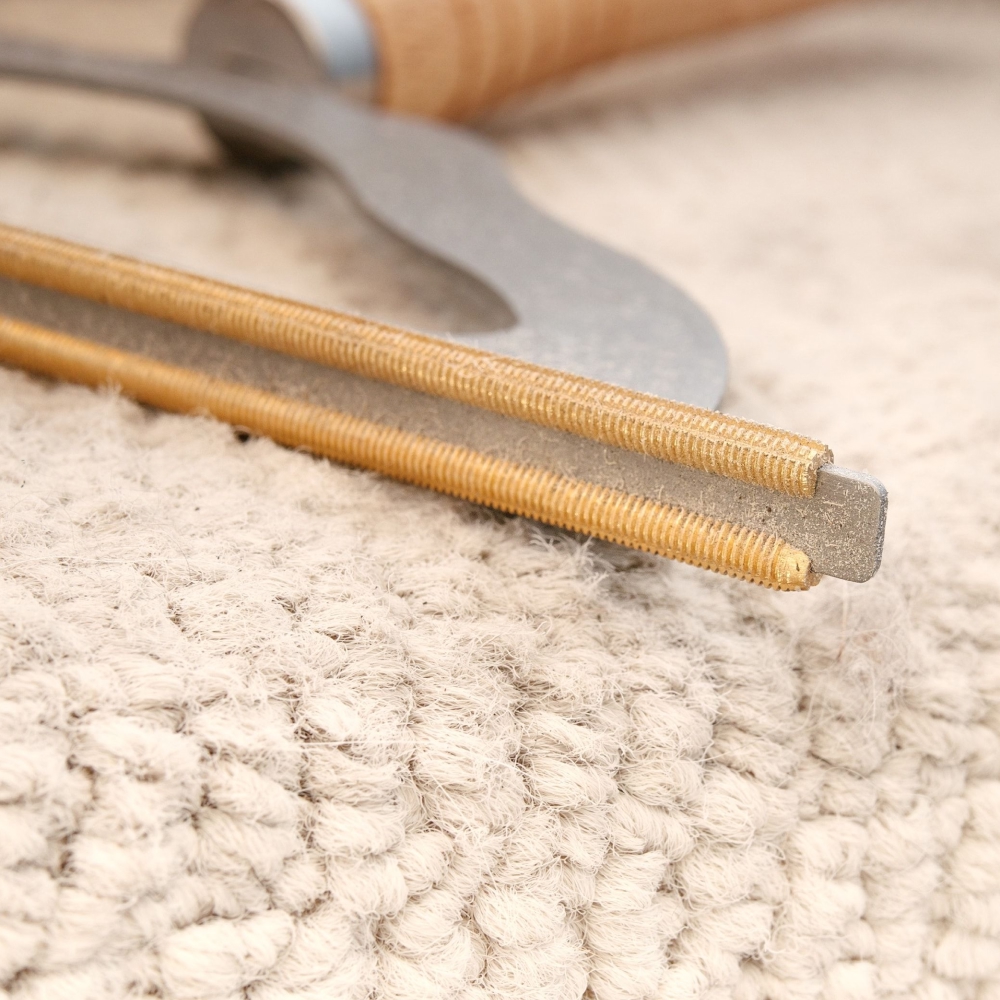
- Depending on how hands-on you are, you might also need things like gripper rods, door bars, or professional fitting services. Learn how easy it is to fit a carpet in your own home in our DIY carpet fitting guide.
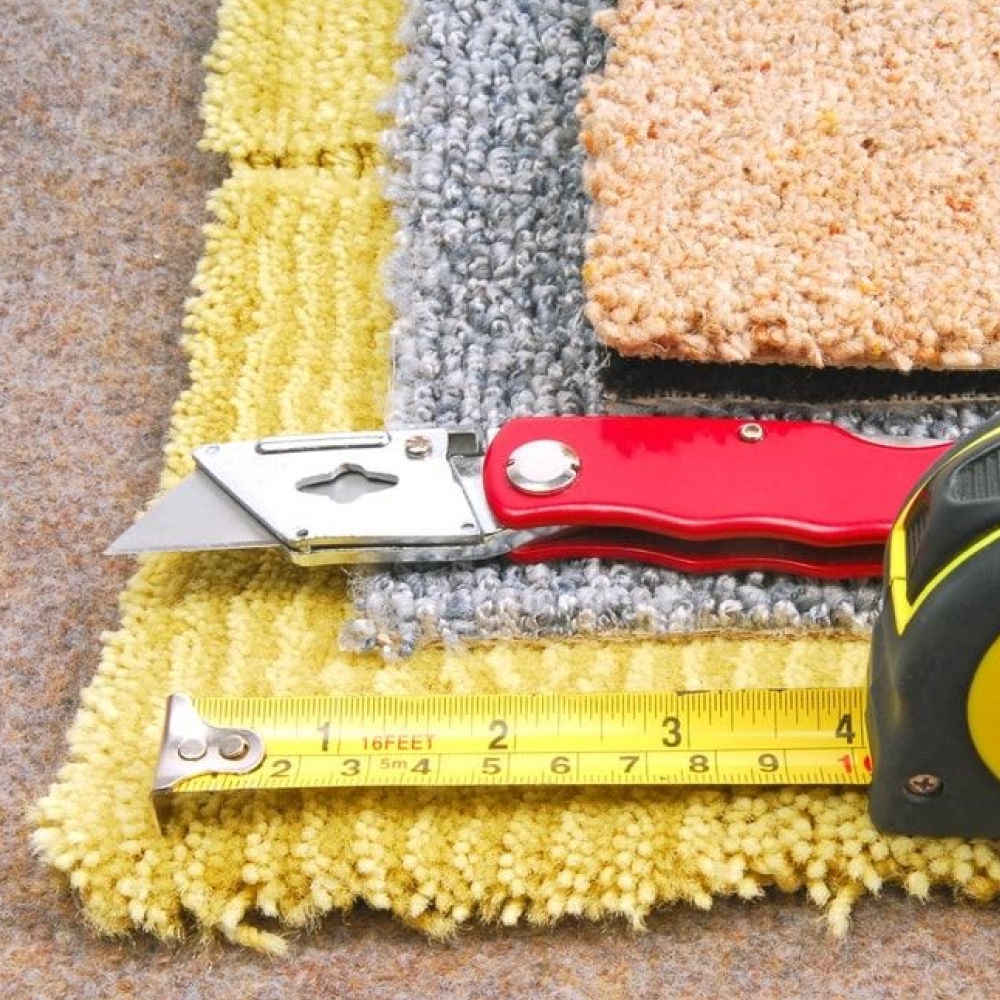
To get a better idea of the total cost, start by measuring your space and browsing our full carpet collection. You can filter by colour, style, and pile type to find something that works for your room and your budget.
Ready for a Fresh Start?
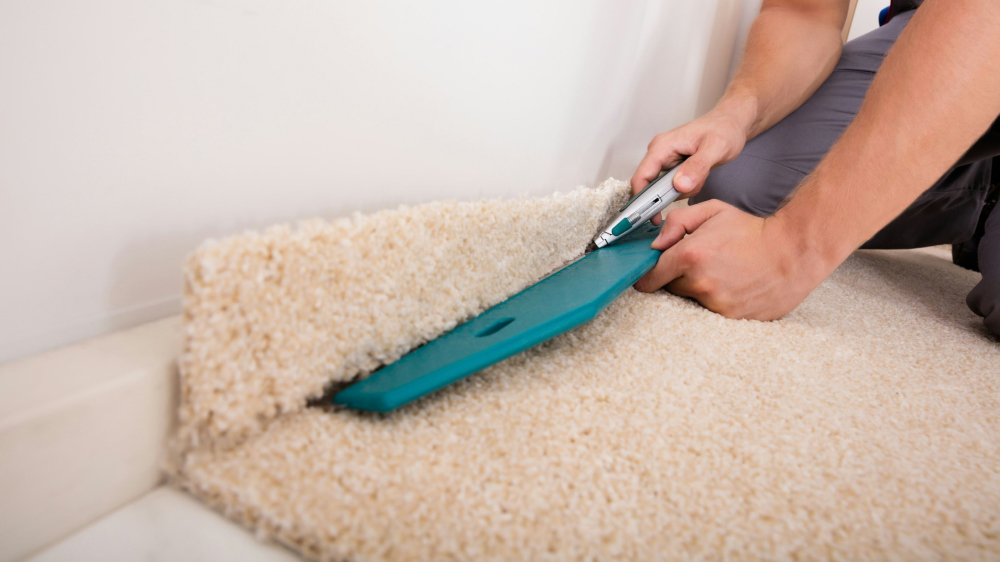
If your carpet’s looking tired, feeling flat, or just not working for your home anymore, it might be time for something new. A fresh carpet doesn’t just change how a room looks; it transforms how it feels. Softer underfoot. Cleaner. Warmer. More inviting.
Whether you’re after a deep, cosy pile for the bedroom or something practical for busy family zones, you’ll find it at Best4Flooring.
Explore:
- All Carpets
- Carpet Colours
- Carpet Styles
- Carpet Underlay
- Guide to Different Types of Carpet
- Guide to Choosing the Perfect Carpet Colour
- Carpet Inspiration and Ideas
Because when your floor feels right, everything else just works.

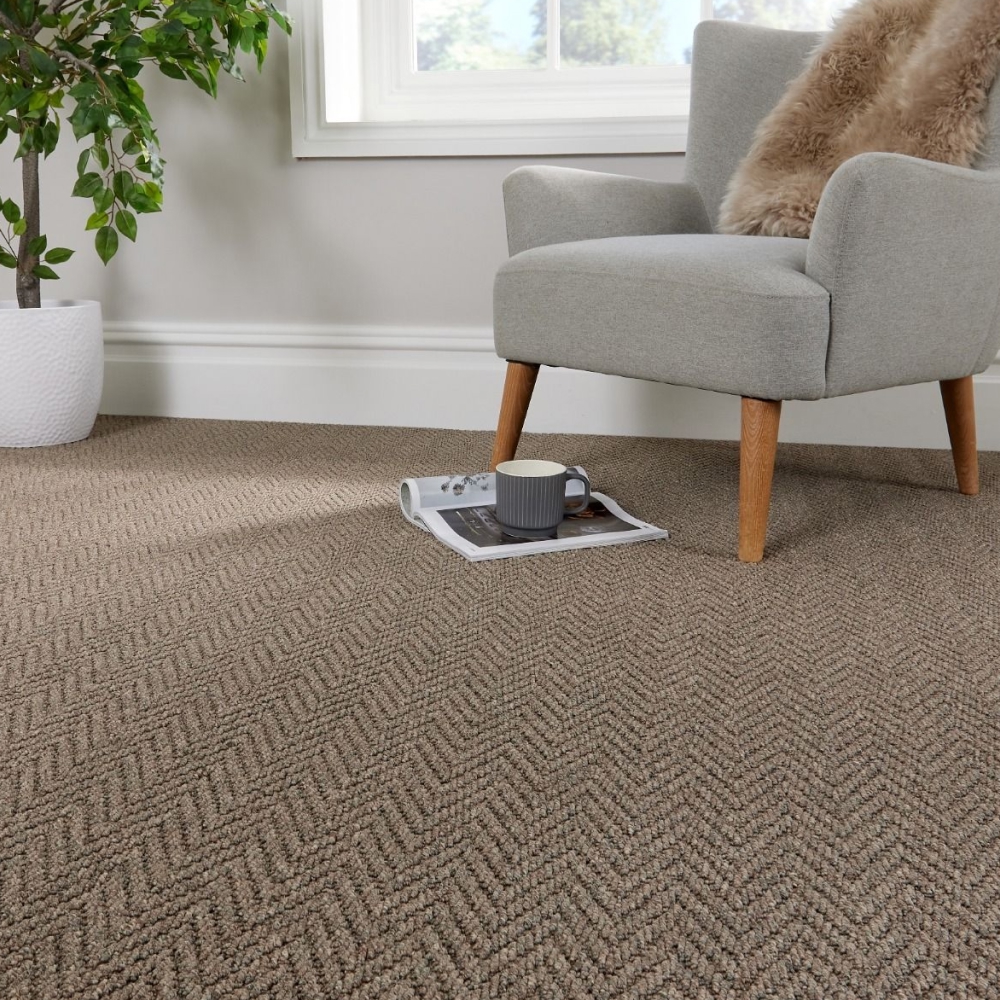
Resilience Mouse Boucle Loop Carpet
Carpet Replacement FAQs
How long does carpet last on average?
Most carpets last between 5 and 15 years, depending on the carpet material, how much foot traffic it gets, and how well it's maintained. High-quality carpets made with durable carpet fibres tend to last longer, especially in high foot traffic areas.
How often should indoor carpet be replaced?
For most homes, indoor carpet should be replaced every 7 to 10 years. In low-use spaces like guest bedrooms, it might last longer. In busy rooms or homes with kids and pets, wear and tear will shorten its lifespan.
How do you know when carpet needs to be replaced?
Watch for stubborn stains, smells that won’t go away, matted carpet pile, or signs of padding support breaking down. If your old carpet feels uneven or is causing more allergy symptoms, it’s likely time to replace it.
Should a 20-year-old carpet be replaced?
Yes. Even if it still looks passable, a 20-year-old carpet has likely lost its structural support and could be affecting your air quality. Fibres break down over time, and trapped dust or allergens become harder to clean effectively.
Is a 30-year-old carpet unhealthy?
In most cases, yes. After three decades, a carpet can harbour allergens, mildew, dust mites, and pollutants, especially if regular deep cleaning hasn’t been done. It may also release VOCs from old adhesives or underlay. Replacing it can improve hygiene, comfort, and interior design appeal.
How Often Should a Carpet Be Replaced by a Landlord?
While no universal rule exists, industry standards suggest that with moderate wear, carpet in a rental should be replaced every 5 to 7 years. This helps keep the property appealing and avoids complaints over visible wear, unpleasant smell, or outdated decor. In high-turnover rentals, a tougher or more durable carpet material may give better long-term value.
Should You Replace Carpet When Buying a House?
Yes, in many cases. Replacing existing carpet in a new home can boost air quality, reduce exposure to past pet accidents, and give the space a cleaner, more personal feel. If the entire carpet feels worn or smells stale with tough stains, it's a smart upgrade that makes the home feel truly yours (and aesthetically pleasant!) from day one.
Related Posts