

How to Repair a Carpet
- 19 Mar 2026
- Adrian Marsh
A practical guide to fixing burns, holes, pet damage, and loose areas
Carpet brings warmth and comfort to any room, but daily life takes its toll. Whether it's a burn mark from a dropped hair straightener, a cat that's decided your hallway is the perfect scratching post, or furniture legs slowly wearing holes through the pile, these things happen to all of us.
But here's the good news: most carpet damage can actually be repaired. You don't always need to rip everything out and start again. With the right approach, carpet repair can restore your floor to looking almost as good as new, without the cost of replacing the whole room.
This guide walks you through what can be repaired, how to approach different types of carpet damage, when DIY makes sense, and when it's worth calling in a professional.
Understanding Carpet Repair
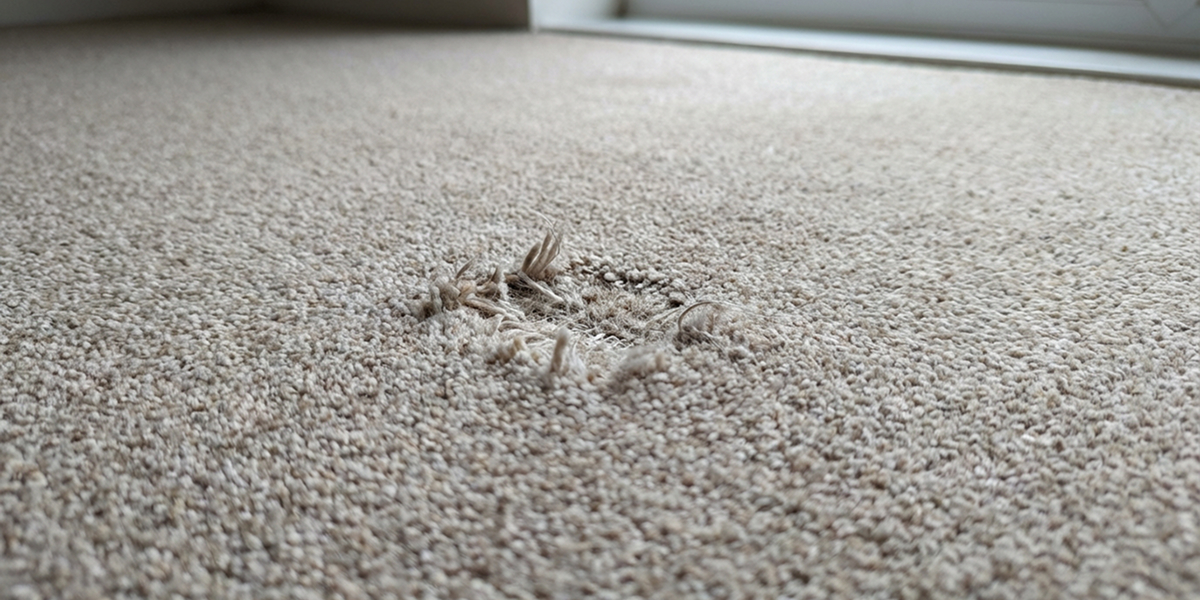
Carpet repair is all about fixing localised damage while keeping the rest of your floor intact. The goal shouldn't be perfection; you should be aiming to make the repaired area blend in so naturally that no one notices it was ever there.
Before you start any repair, you'll need to understand what caused the damage and how deep it goes. This makes a real difference to which repair method will work best.
Common causes of carpet damage include:
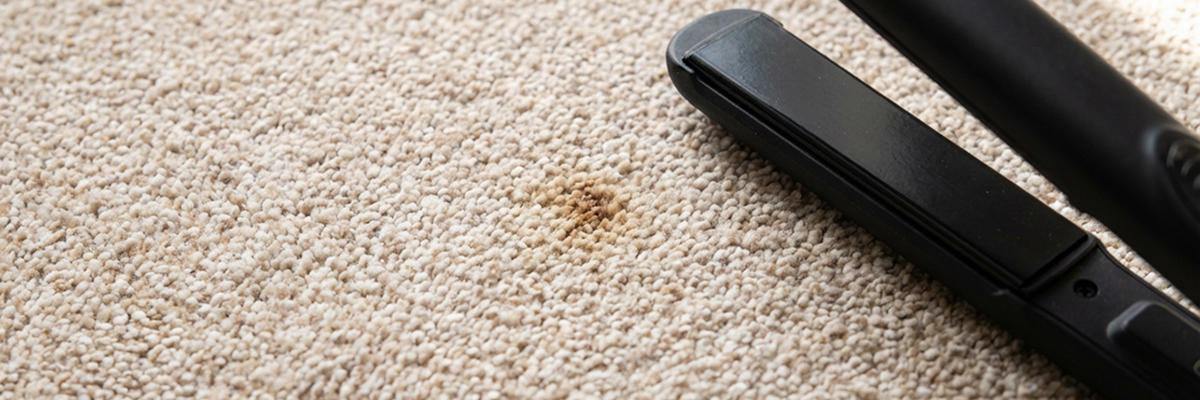
- Burn marks from candles, cigarettes, or hair styling tools
- Pet damage from scratching, chewing, or pulling at carpet fibres
- Small holes caused by furniture legs or sharp objects
- Wear and tear in high traffic areas like hallways and doorways
- Loose or rippled carpet caused by movement over time
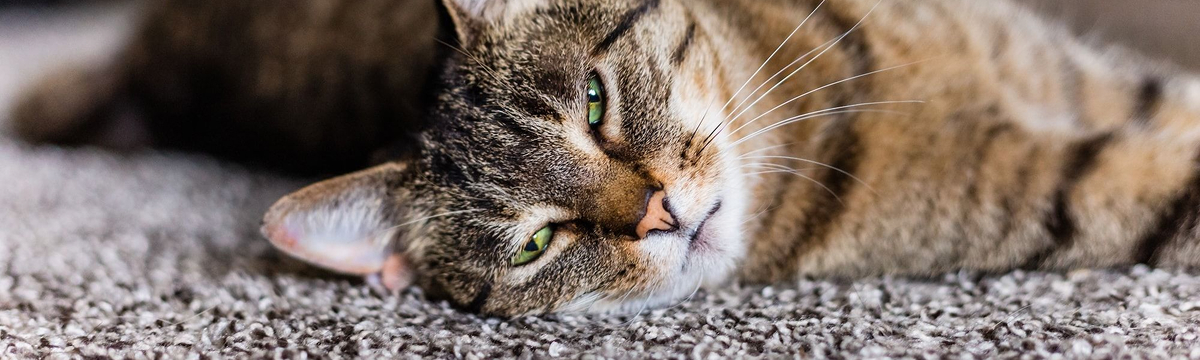
Pet damage is particularly common and if your furry friend is the culprit, you're certainly not alone. If this is an ongoing issue in your home, our guide to the best carpet for pet households covers options worth considering.
Can Damaged Carpet Be Repaired?
In most cases, yes, as long as the backing is still intact. Wool carpet, nylon carpet, and many commercial carpets all respond well to repair methods like patch repair, re-tufting, or carpet stretching.
The backing is the key thing to check. If moisture has got underneath and the backing has started to deteriorate, or if there's visible mould or rot, replacement may be your only realistic option.
Can You Repair Just a Patch of Carpet?
Absolutely. Patch repair works brilliantly for localised damage. The process involves cutting out the damaged area and replacing it with a matching piece taken from spare carpet or a hidden "donor" area (like inside a wardrobe or under heavy furniture).
The catch? A patch repair only works well if the new piece genuinely matches the existing carpet: the same carpet colour, pile height, and critically, the same nap direction (which way the fibres lie).
Types of Carpet Damage and the Best Repair Method
This table should help you quickly work out which approach suits your situation before you get started:
| Type of damage | Best repair method | DIY or professional? |
|---|---|---|
| Burn mark | Carpet patch repair | DIY of professional |
| Pet damage | Re-tufting or patch repair | Depends on severity |
| Small holes | Fibre repair | DIY |
| Loose carpet | Carpet stretching | Professional |
| Frayed edges | Edge sealing | DIY |
What You Need Before You Start
Good preparation makes carpet repair far more successful. Rushing usually leads to visible joins or repairs that don't last, so it's worth taking the time to gather everything you need first.
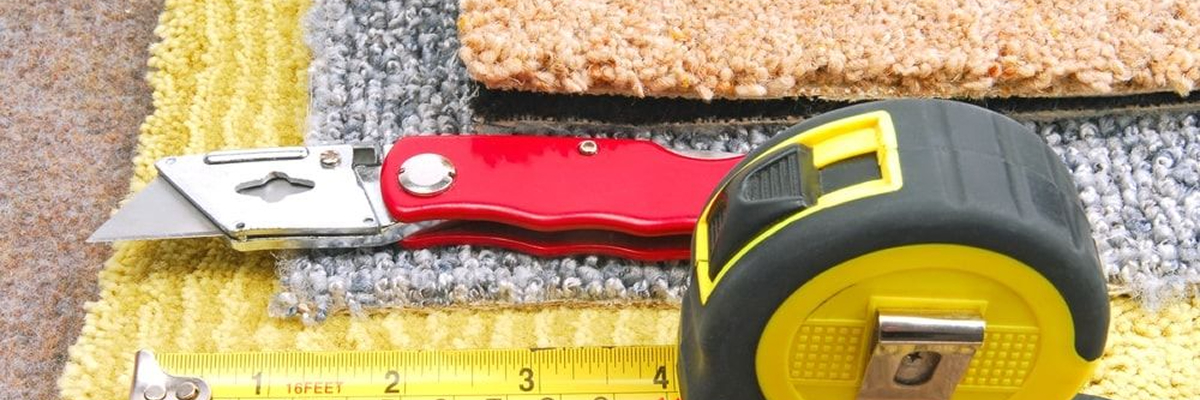
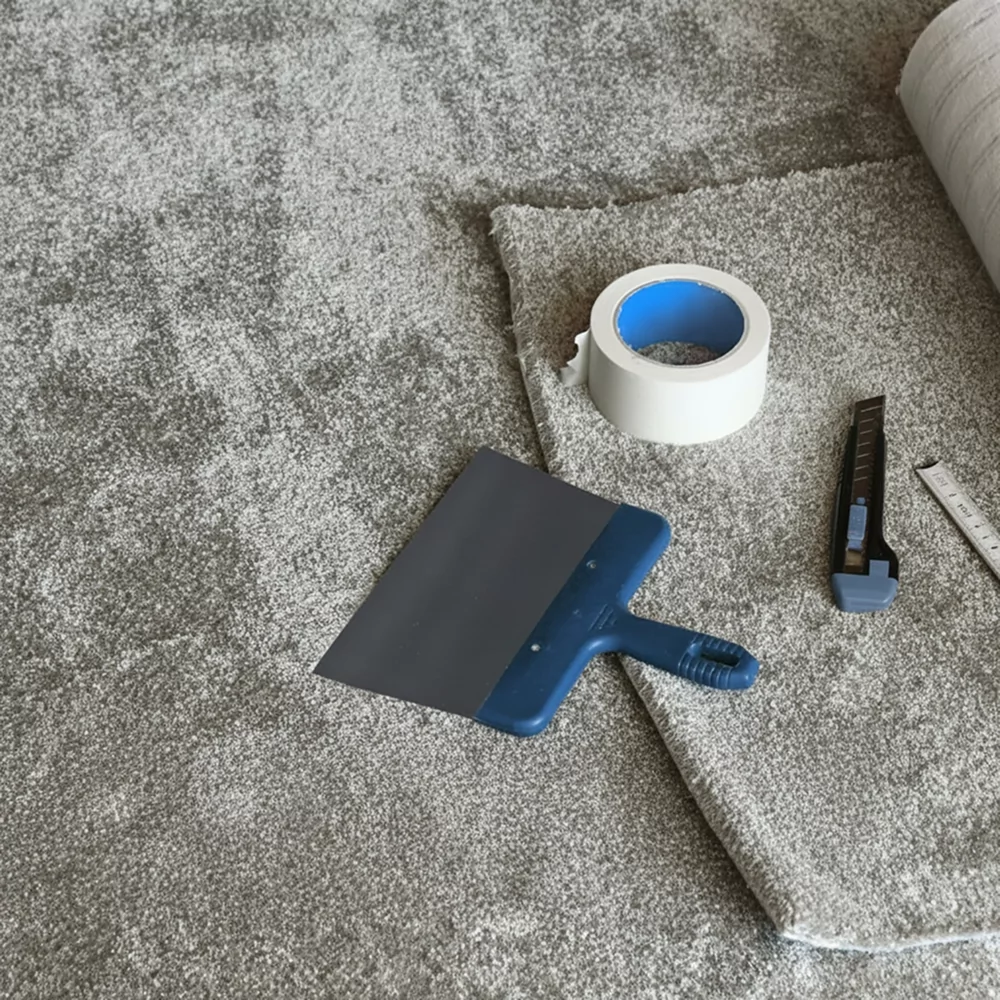
A carpet repair kit typically includes:
- Carpet seam tape
- A hot glue gun
- Sharp carpet blades
Additional tools you may need:
- Utility knife
- Straight edge or set square
- Tweezers
- A carpet stretcher or knee kicker (for bigger jobs)
Materials you may need:
- Super glue for small fixes
- Carpet cleaner
- Extra carpet or donor carpet
There's nothing worse than realising you're missing something crucial when you've already cut into your carpet.
How to Repair Carpet Yourself
DIY carpet repair works best for minor damage and small areas. The key is taking your time. For a better understanding of how carpet is laid in the first place, our guide on how to fit a carpet at home is a good reference.
How to Patch a Damaged Carpet
- Clean the damaged area with a carpet cleaner and allow it to dry fully. If needed, follow our advice on how to clean carpets properly and how to get different stains out of carpet before you begin.
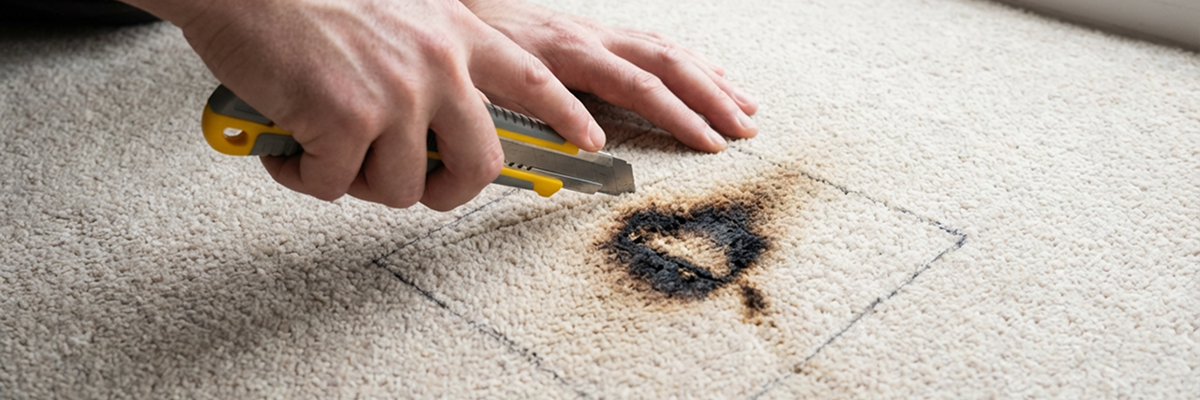
- Mark a neat square or rectangle around the damaged section. Keeping edges straight makes blending easier.
- Carefully cut through the carpet using a utility knife. Take your time here to avoid cutting into the underlay if possible.
- Cut a matching piece from the new carpet. Make it slightly larger than the hole, then trim to fit.
- Check the nap direction and align it with the existing carpet. This is important as misaligned nap is immediately visible.
- Place carpet tape beneath the opening, sticky side up.
- Fit the new patch into place and press firmly to bond it to the tape.
- Blend the edges by brushing the carpet fibres gently with your fingers or a stiff brush.
This method works well for burn marks, pet damage, and small damaged sections.
How to Fix a Burn Mark in Carpet
For surface burns that only affect the tips of the fibres, you can sometimes improve things just by trimming away the melted fibres with sharp scissors. For very minor damage, medium-grit sandpaper can be used gently to sand away melted carpet, but always test in a hidden area first.
For deeper scorch marks, patch repair is really the only proper solution. Remove the entire affected area and replace it with a matching patch. This avoids the visible colour difference you'd get trying to disguise a deeper burn.
How to Fix Small Holes or Tears
Small holes can often be repaired without full patching, particularly once the carpet is clean and free from grit. For help tackling marks around the damage, see our guide on removing different carpet stains.
- Use strands taken from the edge of the carpet or scrape up fuzz from a hidden area
- Apply a small amount of super glue into the hole
- Press the fibres into place and allow to dry completely
- Carefully trim level with the surrounding pile
For small tears, super glue can sometimes be used to bond the rip back together. For larger holes, removing the damaged area and fitting a new patch is the more reliable option, especially in visible areas.
Re-tufting Minor Carpet Damage
Re-tufting replaces individual carpet fibres rather than whole sections of carpet. It's particularly useful for pet claw pulls and small bald spots where the backing remains intact. This method works especially well on wool carpet and thicker pile carpets where individual tufts are more pronounced.
Fixing Carpet That Has Gone Loose
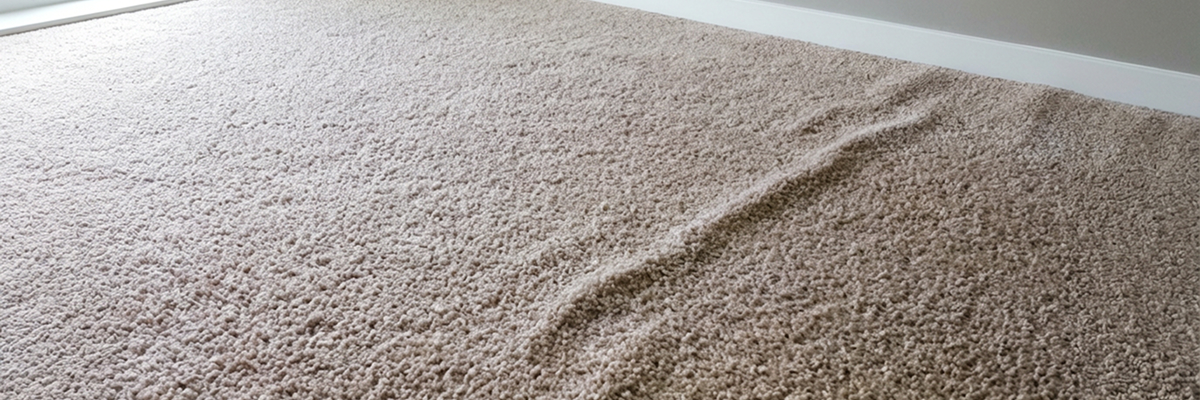
Loose or rippled carpet is usually caused by movement over time rather than direct damage. You know the signs; ugly wrinkles across the middle of the room, or edges that have pulled away from the gripper rods.
Carpet stretching restores the carpet to its original taut position and prevents further wear. Using a carpet stretcher or knee kicker, the carpet is pulled tight and re-secured along the gripper rods. This is generally best handled by a professional, especially in larger rooms where getting even tension across the whole floor can be tricky.
Fixing Frayed Carpet Edges and High Wear Areas
Frayed edges are common near doorways and stairs, basically anywhere that sees a lot of foot traffic. Light fraying can often be trimmed using fabric scissors to match the rest of the carpet pile.
If the carpet has pulled away from a door threshold, it may be possible to refit it beneath the door trim and secure it using carpet seam tape and a hot glue gun.
Carpet Repair vs Replacement
Carpet repair makes sense when:
- Damage is localised to one area
- The carpet is otherwise in good condition
- You have access to an identical piece of extra carpet
Replacement makes sense when:
- Damage is widespread
- The carpet is very old or worn throughout
- Odours or stains cannot be removed
If you're not sure, here's our guide on when to replace a carpet.
Top Tips for Making Carpet Repairs Last
Good underlay and correct care play a major role in how long your carpet (and any repairs) will last. If you're not sure what sits beneath your carpet, our guide to choosing carpet underlay explains what to look for.
- Use good quality underlay to reduce movement
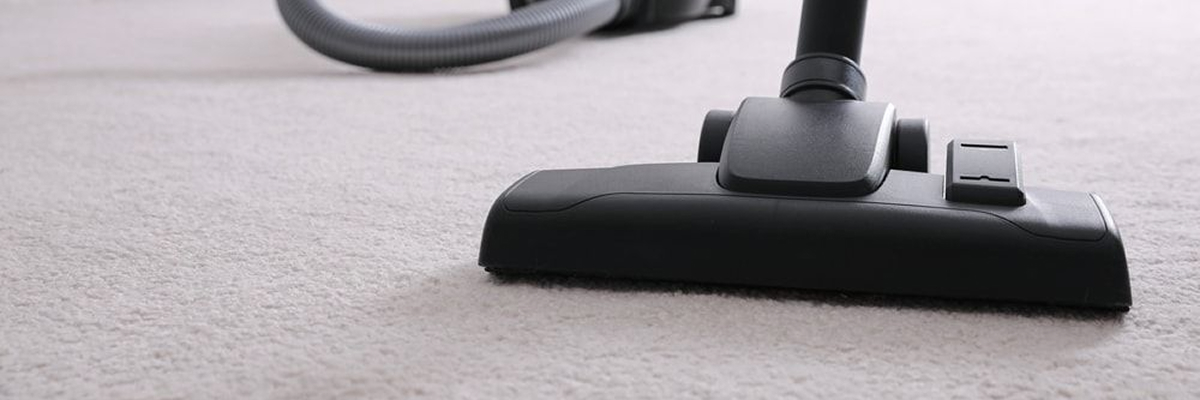
- Vacuum regularly to reduce fibre wear
- Clean spills immediately before they set
- Re-stretch loose carpet early, before it causes bigger problems
- Rotate furniture periodically to avoid pressure points
- Use the ice cube method to lift carpet fibres after indentations form
See our advice centre for more tips on how to reduce carpet flattening.
When to Seek Professional Carpet Repair
Some carpet damage is simply too complex for DIY repair. Major damage such as large rips, deep burns, or damage affecting the backing usually requires expert patching or re-weaving to achieve a professional standard.
Many carpet repair professionals offer mobile services, meaning they can carry out repairs in your home without removing the carpet. A reputable professional has specialist tools and experience that DIY kits simply cannot replace, and sometimes that expertise is worth paying for.
Ready for a New Carpet?
If repair isn't the right option, choosing a new carpet can transform your space. Browse our full range of carpets to find the perfect style for your home, and when you're ready to get hands-on, our guide on how to fit a carpet yourself walks you through every step.
Stair Carpet FAQs
Can damaged carpet be repaired?
Yes. Most carpet damage can be repaired if the backing is intact, using patch repair or re-tufting.
Can you repair carpet yourself?
Minor carpet damage can often be repaired at home with the right tools and patience.
Is it expensive to patch carpet?
Patching carpet is usually affordable and far cheaper than replacing the entire room.
Can you repair just a patch of carpet?
Yes. Patch repair works well for localised damage when you have matching carpet available.
How much does carpet repair cost?
Most minor repairs cost between £50 and £120. Larger repairs cost more depending on complexity.
What is someone who fixes carpets called?
A professional carpet fitter or flooring technician.
Related Posts