

Which Thickness of Laminate Do You Need?
- 16 Jun 2025
- Sam Jackson
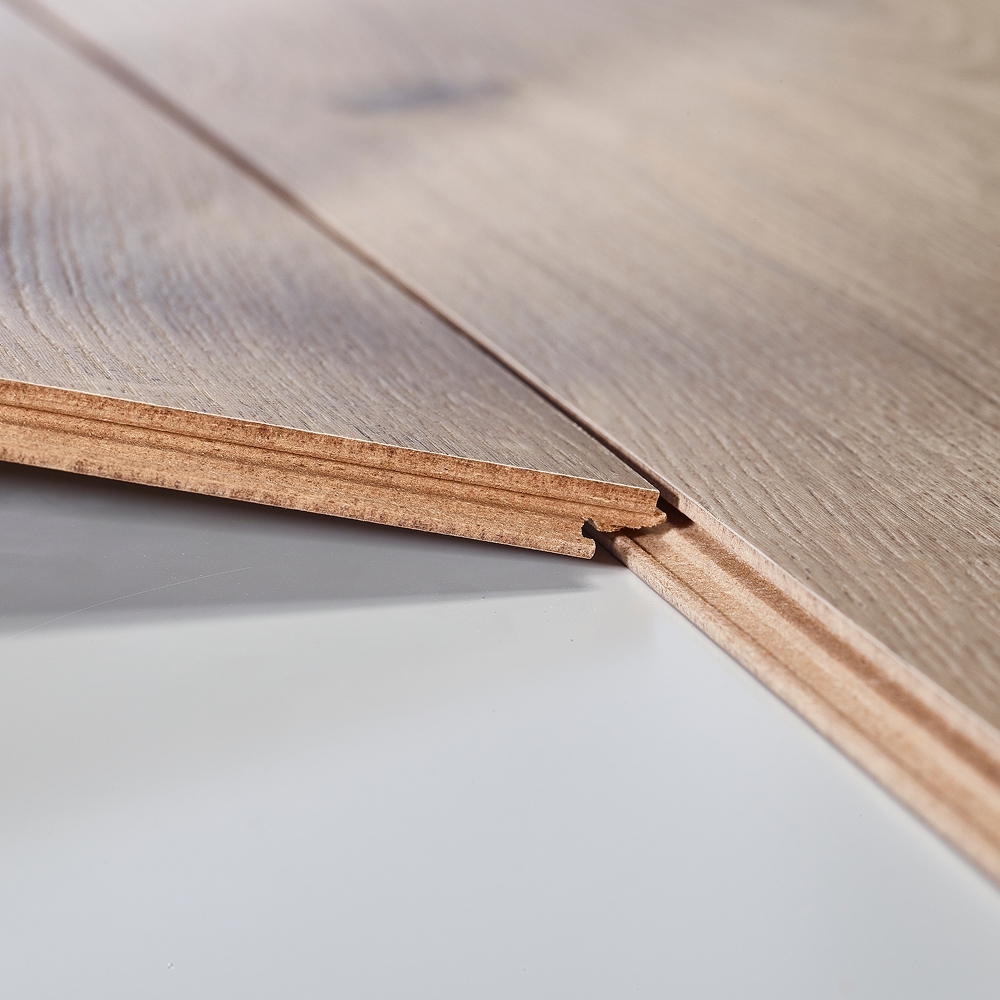
Choosing the right laminate flooring thickness is about more than comfort; each option suits different rooms, subfloor conditions, and lifestyles. Our guide explains how to match thickness to your needs when shopping for laminate.
The thickness of laminate flooring affects how it looks, feels, and holds up in everyday use. It plays a role in sound, comfort, and how well the floor deals with wear. But choosing laminate flooring isn’t just about going thicker.
It depends on several factors: how flat your subfloor is, what kind of room you’re covering, and whether you have underfloor heating.
Pick the wrong thickness option, and your floor might feel hollow or shift over time. Pick the right one, and you'll get a more solid result, better sound control, and fewer problems during fitting.
This guide covers different thicknesses of laminate flooring, explains how to match them to room use, and helps you avoid the most common mistakes.
Why Laminate Thickness Matters
The thickness of laminate flooring changes how your floor feels, how it sounds, and how long it lasts. It also affects how easy the boards are to install and how well they cover flaws in the surface below.
Each board is made of multiple layers. The top is the wear layer, which resists scratches. Under that is the core, which adds strength and stability. Together, this creates the full laminate flooring thickness.
Thicker flooring tends to:
- Feel more like traditional hardwood flooring
- Offer better sound-deadening properties
- Cover subfloor imperfections more effectively
- Provide a more stable surface underfoot
But thicker laminate flooring doesn’t always mean enhanced durability. Thinner materials with a strong top layer and high AC rating can last longer than a thick one with weak construction.
The right choice depends on what the room needs. In high-traffic areas, thickness often helps with impact resistance, noise, and comfort. But don’t rely on that alone. Look at the full build and finish of the product.
Choosing Laminate Flooring Thickness (6mm to 12mm)
Laminate flooring thickness affects how the floor performs in different rooms. The most common thickness options range from 6mm to 12mm. Each has specific strengths and limits depending on use, subfloor condition, and how much noise or movement the floor needs to handle.
6mm to 7mm: For Light Use Only
This is the thinnest range of laminate flooring. It works best in low-traffic areas like spare bedrooms, small spaces, or places where appearance matters more than performance.
- Lower installation complexity
- Not designed for heavy loads or long-term use
- Weak sound performance and prone to movement if the subfloor isn’t perfect
Because this is a thinner laminate, it lacks impact resistance and doesn't offer much comfort underfoot. At Best4Flooring, we don’t stock laminate thinner than 8mm
8mm: The Most Common Thickness
This is the most widely used laminate thickness in homes. It balances strength, price, and ease of fitting. It can handle regular foot traffic and light furniture with no issue.
- Works well with underlay for added moisture protection and noise control
- Can offer good scratch resistance if paired with a quality protective top layer
- Ideal for bedrooms, lounges, and dining rooms
With the right AC rating, 8mm can be the best laminate flooring thickness for general use.
A great example is Berry Alloc Chateau+ Texas Light Brown. This 8mm thick laminate combines a rugged oak look with HydroPlus water resistance, making it ideal for kitchens, hallways, and other high-traffic spaces. It’s tough enough for daily wear from pets and family life, and the click-lock system makes installation quick and hassle-free. The weathered grey tone adds depth and character, all backed by a lifetime residential warranty.
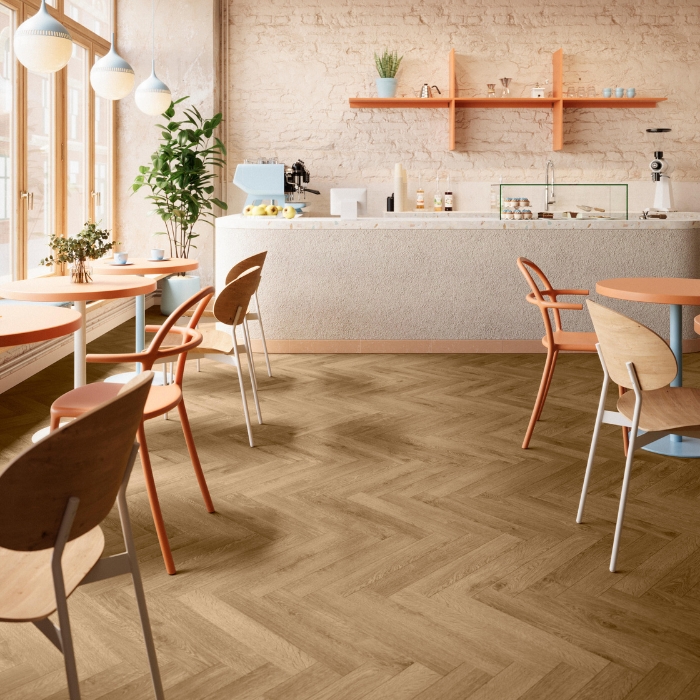
For a budget-friendly option that doesn’t skimp on performance, Verdanti Essential Twilight Oak is well worth a look. It’s an 8mm laminate with a rustic oak finish, textured to mimic natural grain, and tough enough to handle daily life. With an AC4 rating and bevelled edges, it delivers on both style and durability at a lower price point.
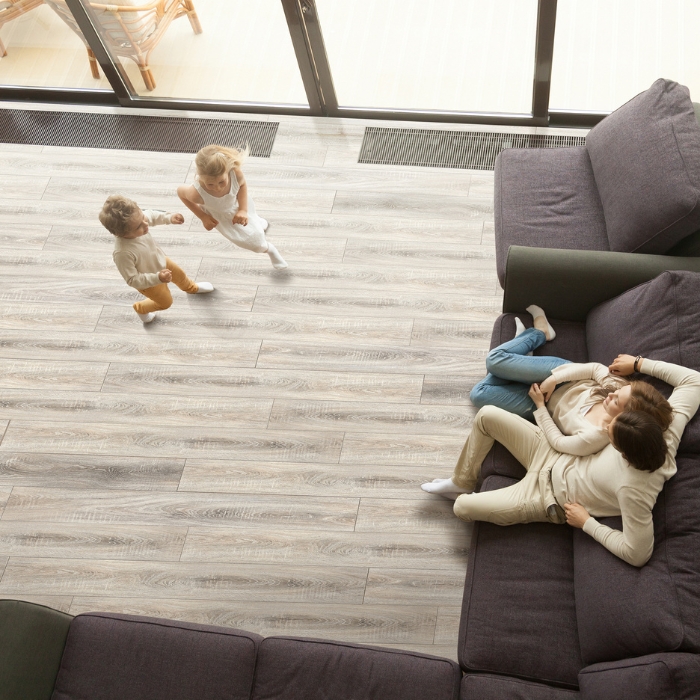
10mm to 12mm: For Heavy Use and Comfort
12mm laminate flooring offers the most comfort, sound control, and support. These are the thickest options sold for residential use and are built for long-term strength.
- Excellent in high-traffic areas like kitchens and hallways
- Offers noise reduction from heavy foot traffic and a more robust surface
- Helps correct minor surface flaws on uneven subfloors
Thicker laminate feels more solid and often delivers a better quality finish. It also allows for quicker fitting because of the thicker boards and more stable joints.
For maximum durability and a more solid feel underfoot, Verdanti Majesty Sovereign is a standout 10mm laminate flooring option. It features a water-repellent HydroSeal coating, making it suitable for kitchens, hallways, and busy homes where spills are common. The crisp white marble design and bevelled edges offer a clean, natural finish, while the thicker boards improve sound insulation and comfort.
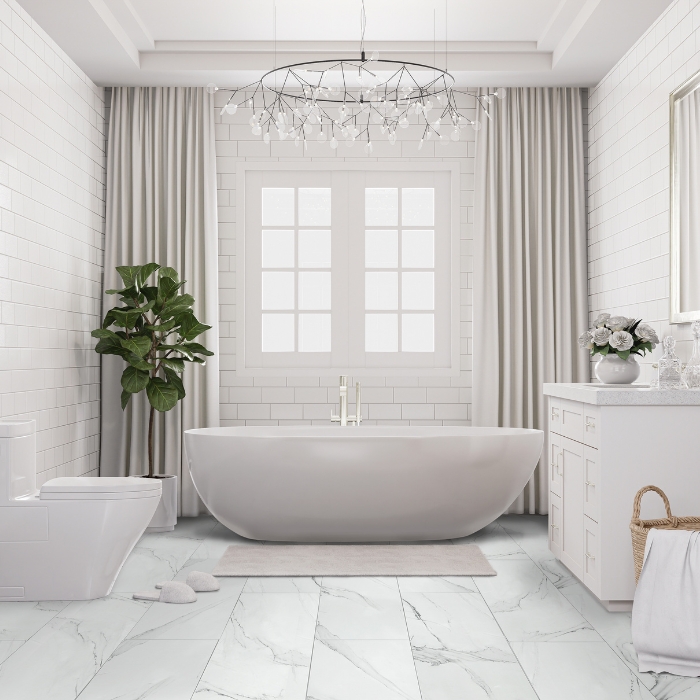
Quick-Step Impressive Ultra Classic Oak Brown is a bold, high-performance choice for busy homes. The deep brown oak finish brings warmth and depth to any space, while the 12mm thickness offers a more stable, comfortable feel underfoot. Thanks to its water-repellent HydroSeal coating and bevelled edges, it’s well suited to kitchens, bathrooms, and high-traffic zones. With a 25-year residential guarantee, it’s built to last and look good doing it.
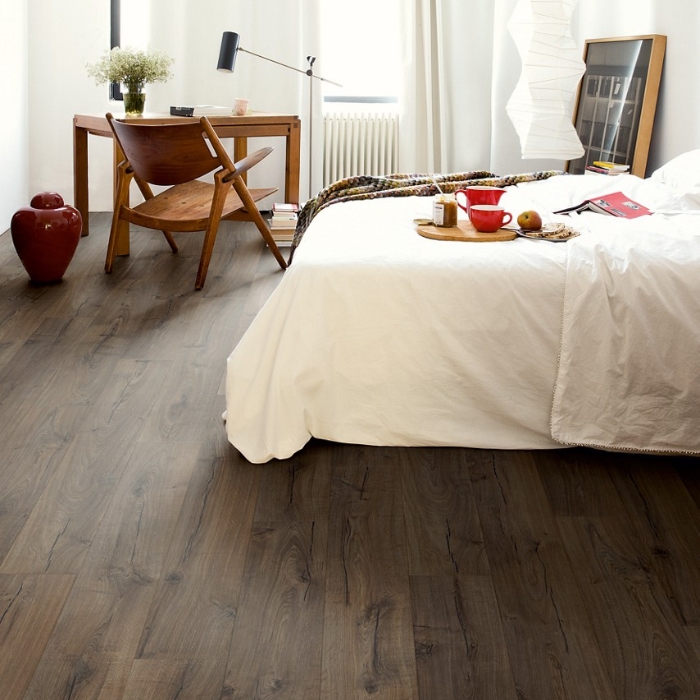
Laminate Flooring Thickness Comparison Table
| Thickness | Best For | Key Benefits | What to Watch Out For |
|---|---|---|---|
| 6mm–7mm | Guest rooms, storage, light use | Low cost, easy to cut | Feels hollow, poor sound control, short lifespan |
| 8mm | Bedrooms, dining rooms, average use | Balanced price and performance | Needs level subfloor, average sound insulation |
| 10mm | Living areas, active households | Solid feel, better stability and comfort | Slightly higher cost |
| 12mm | Hallways, kitchens, upper floors | Best for noise control and subfloor problems | Can block heat if used with thick underlay |
Does Thicker Mean More Durable?
Not always. While many assume thicker laminate flooring is stronger, durability depends more on the protective top layer, AC rating, and build quality than just board size.
An 8mm board with a dense core and high-spec surface can easily outlast a poorly made 12mm option. Thickness increases comfort and sound-deadening properties, but it’s not the only thing that matters.
What really affects long-term strength:
- Wear layer: Protects against scratches and scuffs, the most visible signs of damage.
- AC rating: Measures abrasion resistance. AC3 or above is best for homes; AC4+ suits busy or commercial spaces.
- Thicker boards: Provide better stability under heavy furniture and high foot traffic.
- Moisture resistance: Even thick boards will swell if not properly sealed.
When choosing laminate flooring, look beyond increased thickness. A tough surface and strong core matter more for long-lasting performance.
Subfloor Condition Affects Thickness Choice
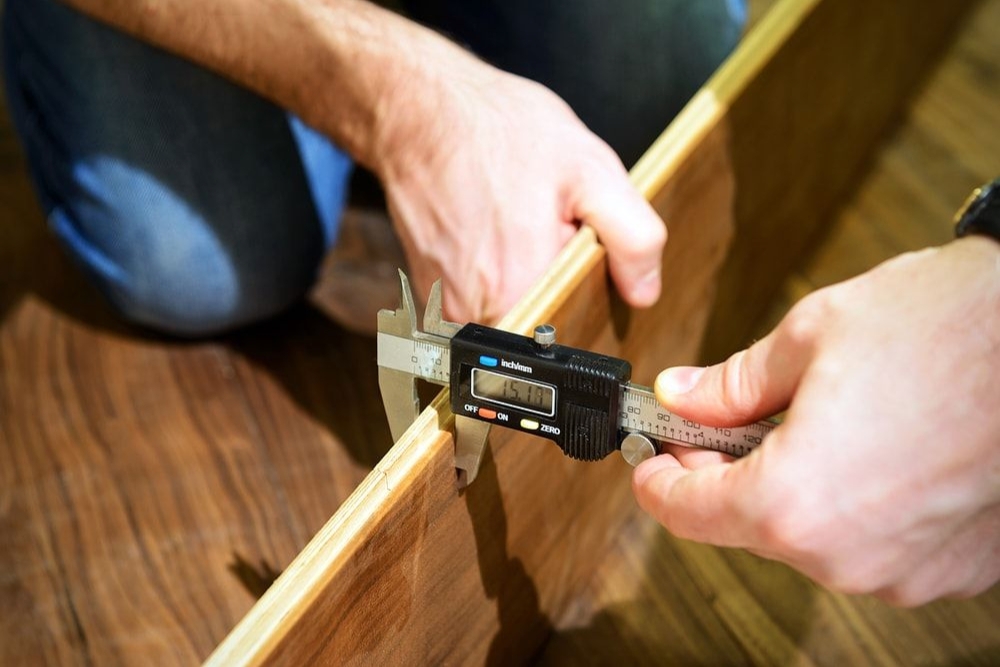
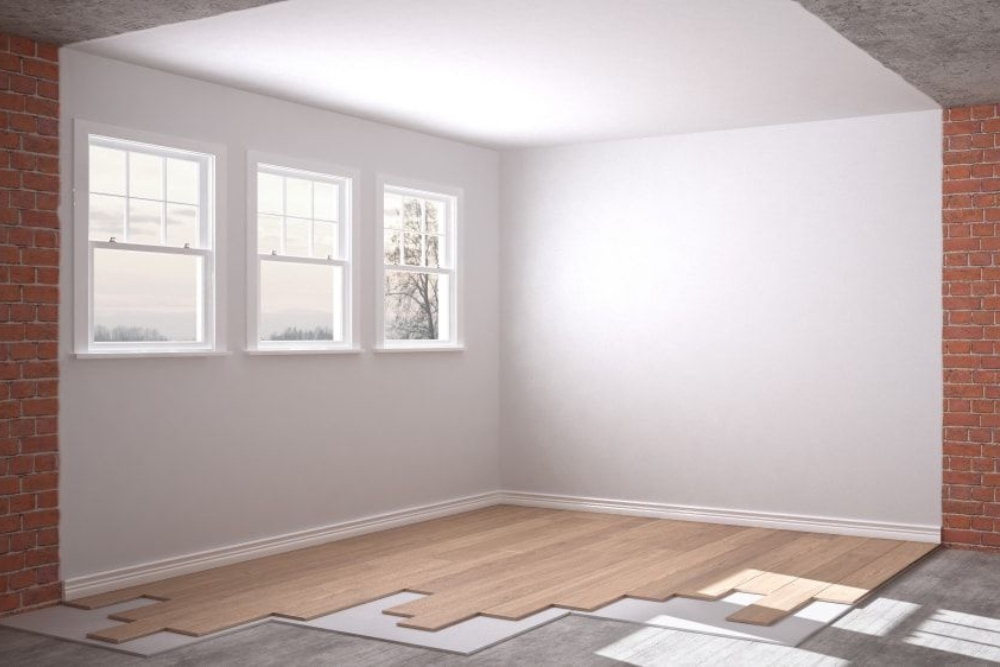
The state of your subfloor plays a big role in selecting laminate flooring thickness. If it’s flat and firm, most options will work. But any dips or imperfections can cause thinner boards to move or feel unstable.
Thicker laminate is more forgiving. It helps mask flaws, adds stability, and creates a smoother surface. Its weight also helps the floor stay put.
- 6mm–7mm: Only suitable on a flat, rigid subfloor, as any bumps will show.
- 8mm: Tolerates minor imperfections but still needs a solid base.
- 10mm–12mm: Best for uneven subfloors, especially when used with a good underlay.
Even the best laminate flooring can’t fix major damage. But if levelling isn’t an option, a thicker board gives you more flexibility.
Top Tip: Use a straight edge. If you see a gap wider than 3mm under a 1m rule, the floor needs prep work.
Underfloor Heating and Thickness Limits
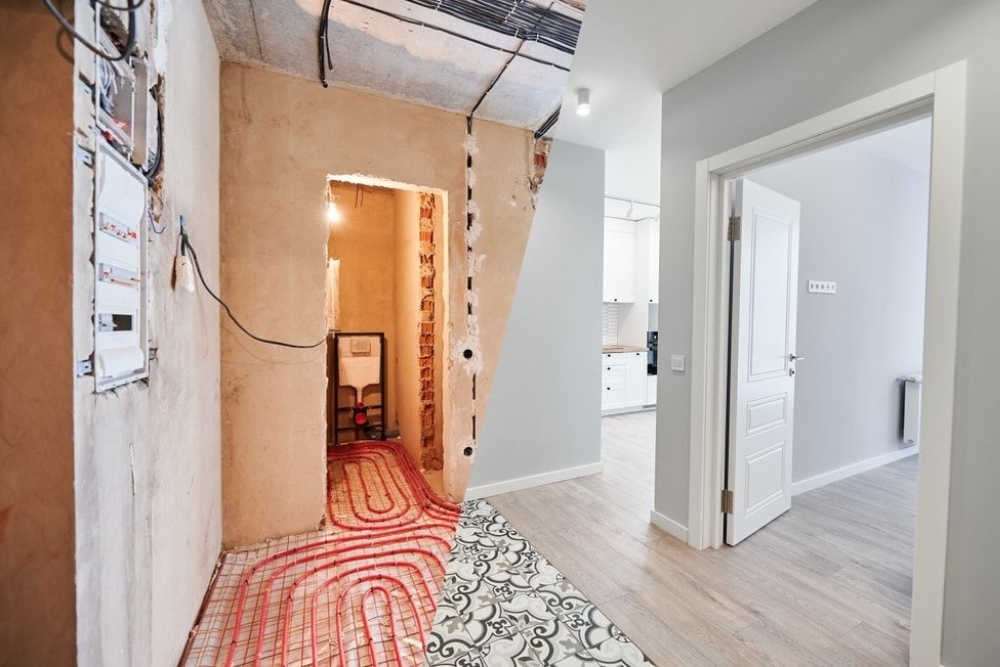
When using underfloor heating, laminate thickness matters. If the floor is too thick, it blocks heat and reduces efficiency, which is a concern for many homeowners .
Most systems recommend staying under 18mm total thickness (laminate plus underlay). That keeps the surface warm without wasting energy or stressing the system.
What typically works:
- 8mm laminate with a 2–3mm heat-rated underlay
- 10mm or 12mm laminate with a thin, low-resistance underlay
What to avoid:
- Soft foam underlays that trap heat
- Boards not rated for warm floors
- Total floor build-up over 18mm
Thicker laminate flooring can still work if paired with the right underlay. Always check for the heating symbol and confirm the max R-value for your system. Make sure to check the manufacturer specifications, or ask one of our flooring experts if you get stuck.
When to Choose Thicker Laminate Flooring
Thicker laminate flooring (10mm to 12mm) is ideal for busy homes, older properties, or where the subfloor isn’t perfect. The extra weight helps the floor sit tighter and reduces movement. It also improves comfort and sound insulation, creating a quieter, more solid feel.
Choose it if:
- You’re flooring high traffic areas like kitchens, hallways, or living rooms
- The subfloor has minor dips or slopes you’d rather not level
- You want a floor that holds up under heavy furniture or daily use
- You like the feel of traditional hardwood flooring but want a more practical option
The increased thickness means firmer joints, reduced echo, and a feel that's closer to solid wood when paired with a good underlay, providing better resistance against wear.
When a Thinner Option Makes Sense
Thinner laminate (6mm to 8mm) can work well in low-traffic spaces with flat subfloors, whereas for high-traffic areas, thicker laminate is recommended. It’s also cheaper, lighter, and easier to cut.
Use it if:
- The room sees light use (like a spare bedroom or office)
- You’re on a tight budget
- You want to keep below the combined thickness limit for underfloor heating
- The project is short-term or temporary
Just know that thinner boards offer less sound control and are more likely to shift on uneven floors.
Final Advice on Choosing the Right Thickness
The right laminate flooring thickness depends on how the room is used, the condition of the subfloor, and the finish you want.
Don’t assume thicker is always better. A well-made 8mm laminate with a high AC rating and durable top layer can outperform a cheap 12mm board.
Always check the full spec: surface layer, core strength, and moisture or heat ratings. Thickness matters, but build quality is just as important.
Use this quick guide:
- Choose 10mm or 12mm for high-traffic areas or sound-sensitive spaces
- For flats or upstairs rooms, prioritise sound insulation
- To cover subfloor imperfections, thicker boards give better stability
- With underfloor heating, watch your combined thickness
- For a more solid feel, go for 12mm with a dense core
- In low-use or short-term spaces, 6mm or 7mm may be enough
Still unsure? Ask a flooring specialist! The right choice now prevents issues later.
Ready to feel inspired? Browse our full range of laminate flooring to find the right style and fit for your space.
FAQs about Laminate Flooring Thickness
What's the best laminate flooring thickness for homes?
Typically between 8mm and 12mm. It balances comfort, durability, and heat performance. Go for 10mm or 12mm if you want a more luxurious feel underfoot.
Is 12mm laminate flooring worth the higher price point?
Often, yes. It offers better sound absorption, a stronger joint, and a feel closer to real wood. It's ideal for busy homes or light commercial spaces.
Is 6mm too thin for new flooring?
Usually. It lacks stability and is more prone to moisture damage and surface movement, especially on uneven floors or under heavy furniture.
Can I use thicker laminate flooring with underfloor heating?
Yes, but keep the combined thickness under 18mm. Check the product is heating-compatible and use a low-resistance underlay to maintain heat flow.
What else affects how long laminate flooring lasts?
The top layer, backing layer, and core strength matter as much as thickness. Look for boards with good moisture resistance and an appropriate use class rating.
Related Posts