


Cut Pile vs Loop Pile Carpet
There's more to choosing a carpet than picking a colour and checking the price. How a carpet is made has a real impact on how it feels, how long it lasts, and how easy it is to keep looking good. Once you know the difference between cut pile and loop pile carpets, it's much easier to find a style that really works for your home.
What Is Carpet Pile?
Carpet pile is simply the surface you walk on every day. It's made from yarn tufts or loops fixed to a backing. How those fibres are shaped and finished is what gives a carpet its texture, appearance, and how well it wears. The two most common types of construction are cut pile and loop pile. Every carpet pile you come across, whether in a showroom or online, falls into one of these two categories or combines elements of both. See our full range of carpets to find the right style and colour for your home.
What Is Cut Pile Carpet?
Cut pile carpet is made by snipping the yarn loops once they've been tufted through the backing. That leaves individual fibre tufts standing upright on the surface. Those exposed cut pile tufts give the carpet a soft, smooth feel that's genuinely lovely to walk on.
Because the tufts sit freely rather than forming closed loops, cut pile carpets have that familiar plush, velvety feel. Cut pile carpets are typically much softer than loop pile carpets, which is why they remain the most popular style for bedrooms and lounges.
Types of Cut Pile Carpet
Saxony is a very popular style. Straight, even fibres of the same length stand upright, giving it a smart, refined appearance. It feels wonderfully soft underfoot, but the smooth surface can show up footprints and vacuum marks quite easily. It's best suited to bedrooms and formal living rooms that don't see heavy use. Splendour Mocha takes Saxony luxury further with a 25mm polyester pile that feels cloud-soft underfoot while still resisting flattening in busy rooms.

Twist Pile carpet, also known as frieze, is made from tightly twisted yarn that's cut to leave a curly, textured finish. The twist stops the fibres lying flat, so footprints and everyday marks are much less noticeable. Twist pile carpets are tough, spring back well after being walked on, and are a go-to choice for family rooms, hallways, and stairs.
Leo Twist Barley is a dense, fleece-backed short pile twist with subtle flecking, heavy domestic rated and bleach cleanable across everything from hallways to conservatories.

Textured Cut Pile carpets have fibres set at slightly different heights. That gentle variation breaks up the surface so vacuum marks and footprints are far less visible. You get the softness of cut pile without sacrificing too much on durability.
Plush carpet is cut short and even to create a dense, uniform surface. It looks rich and refined, with an upright pile and a beautifully velvety surface. Like Saxony, it shows footprints easily, so it's best kept for quieter rooms.
What Is Loop Pile Carpet?
With loop pile carpet, the yarn loops are left uncut after tufting. Instead of being snipped, the yarn runs continuously from one side of the backing to the other. The result is a firm, structured surface that manages heavy use better than most cut pile styles.
Because the loops support one another, the carpet resists crushing and matting even in busier areas. The 'knobbly' surface texture gives loop pile a rustic and organic appearance that suits both contemporary and traditional interiors equally well.
Types of Loop Pile Carpet
Level Loop carpets have loops that are all the same height. That gives a clean look that works well in modern interiors. It's an extremely versatile and hard-wearing option and manages well in high-traffic areas thanks to a tight loop structure that resists compression.
Resilience Chalk is a textured boucle loop in a clean neutral tone, felt-backed and moth-proof, with a modern finish that holds up well on stairs and in hallways.

Berber is among the best-loved looped carpet styles around. Its chunky, uncut loops give it a characterful, textured look with a hint of rustic charm. Traditional Berber used wool, though most modern versions use nylon or polypropylene. Berber's varied colour flecks and loop texture help disguise dirt and everyday wear.
Pattern Play Black & White is a heavy domestic rated chevron herringbone in polypropylene with felt backing, stain resistant and bleach-cleanable with a 5-year warranty.

Multi-Level Loop carpets use loops of different heights to create patterns or textured surfaces. The variation in loop height breaks up the surface, helping to conceal footprints and light soiling. These carpets sit between the sleekness of level loop and the chunkier texture of Berber.
Cut Pile vs Loop Pile at a Glance
| Feature | Cut Pile | Loop Pile |
|---|---|---|
| Feel | Soft, plush | Firm, structured |
| Durability | Moderate to good | Good to excellent |
| Footprint visibility | Higher | Lower |
| Pet suitability | Better (no snag risk) | Caution with claws |
| Best use | Bedrooms, lounges | Hallways, stairs, busy rooms |
Durability and Wear
Loop piles generally outperform cut piles for durability. The intact loops support each other and help the yarn spring back after compression. This makes loop pile tufting particularly well-suited to spaces with heavy footfall.
Cut pile fibres bend at the base when compressed repeatedly. Over time, this can cause matting in busy areas. The tightly twisted construction of frieze or twist pile cut pile carpets slows this process considerably, but loop pile still holds a structural advantage in very high-traffic areas.
Carpet density plays a significant role in how long either type lasts. Denser carpets, with more tufts per square metre, resist crushing better. A shorter pile height combined with a high tuft count improves durability for both cut and loop pile constructions.
See our dedicated guide for more advice on how often carpet should be replaced.
Footprints, Vacuum Marks, and Everyday Appearance
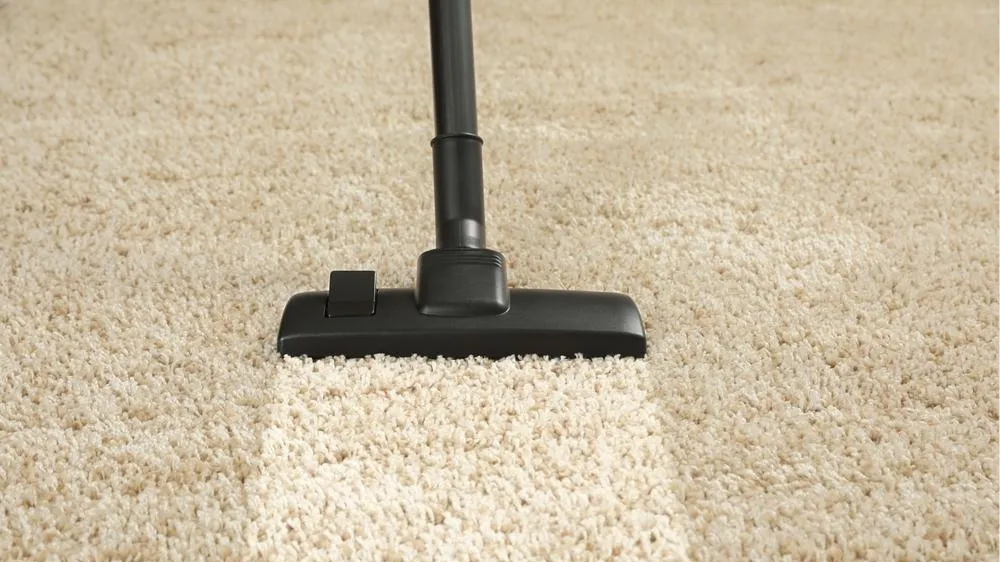
Saxony and plush cut pile carpets show footprints and vacuum marks clearly. The uniform upright pile lies in different directions when disturbed, creating visible dark marks against the surface.
If you prefer your carpet to look groomed at all times, these styles need more attention. Frieze, textured cut pile, and loop pile carpets hide these marks far more effectively. The varied or looped surface breaks up the visual pattern of footprints. Loop pile carpets, particularly Berber and multi-level loop styles, are especially good at concealing everyday wear between cleans.
Read our guide to carpet cleaning for all the advice you need.
Snagging and Pet Safety
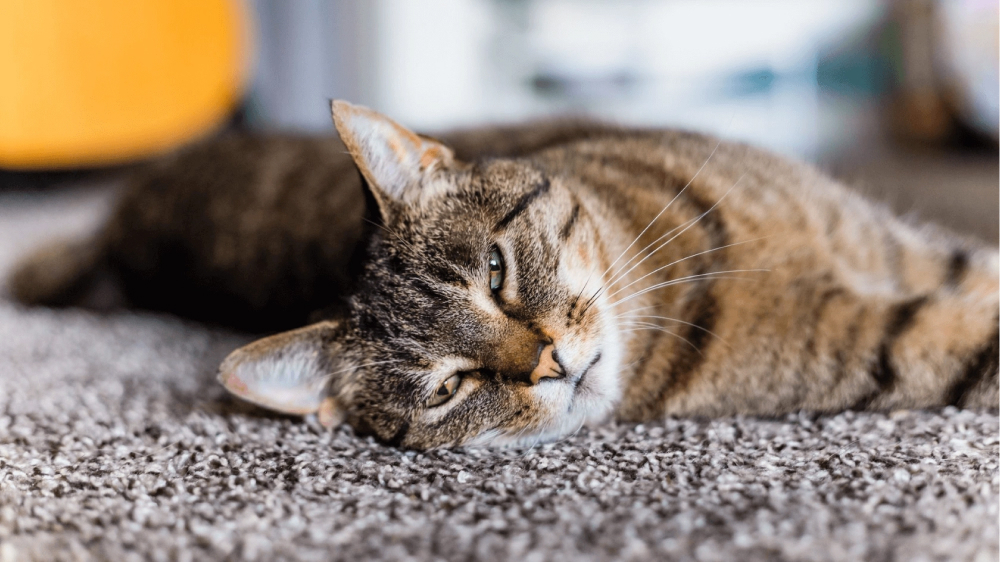
Pets with claws present a specific risk with loop pile carpets. Claws can catch on the loops, pulling them away from the backing. If a loop is pulled through the backing on a continuous filament yarn construction, it can cause a run that unravels across the surface.
This is a particular concern with Berber carpet. Cut piles do not carry the same snag risk, as the individual tufts cannot be pulled in a continuous run because the loops have already been cut. See our guide for more advice on choosing the best carpet for pet households.
Frequently Asked Questions
Is cut pile or loop pile better?
Neither is universally better. Cut pile is softer and suits bedrooms and formal rooms. Loop piles are more durable and better suited to high-traffic areas like hallways and stairs. The right choice depends on the room, your household, and how much upkeep you're prepared for. Browse our carpet buying guide for more details.
What are the disadvantages of loop pile carpet?
Loop pile carpets can snag if pet claws catch on the loops, particularly with Berber styles. Some constructions are harder to clean deeply because varied loop heights trap dirt at different levels. Seams also need careful sealing during installation to prevent unravelling. Explore our range of loop pile carpets to find styles suited to your home.
Where is cut pile carpet best used?
Cut pile carpet works best in bedrooms, formal living rooms, and dining rooms where comfort and appearance are the priority. Twist pile and frieze styles also perform well on stairs and in family rooms where reasonable durability is needed alongside a softer feel. View our cut pile carpet range for options across all budgets.
Which carpet pile is easiest to maintain?
Level loop pile is generally the easiest to maintain day to day. The tight construction resists dirt penetration, and suction-only vacuuming keeps it in good condition. Textured cut pile and twist pile carpets are also practical, as their surfaces disguise marks between cleans. All carpets benefit from prompt spill care and regular professional cleaning. Read our carpet cleaning guide for full care tips.