


How To Get Stains Out of Carpet
Most carpet stains come out if you act quickly and use the right method. Our customers ask us how to get stains out of carpet more than any other care question, and there are three main rules: act fast, blot rather than rub, and spot test anything you put on the carpet pile.
Carry on reading to see how to tackle the most common and stubborn stains and what to do if nothing else works. If you only take one thing away, how to get stains out of carpet reliably comes down to what you do in the first ten minutes. See our guide on how to clean carpets for routine maintenance advice.
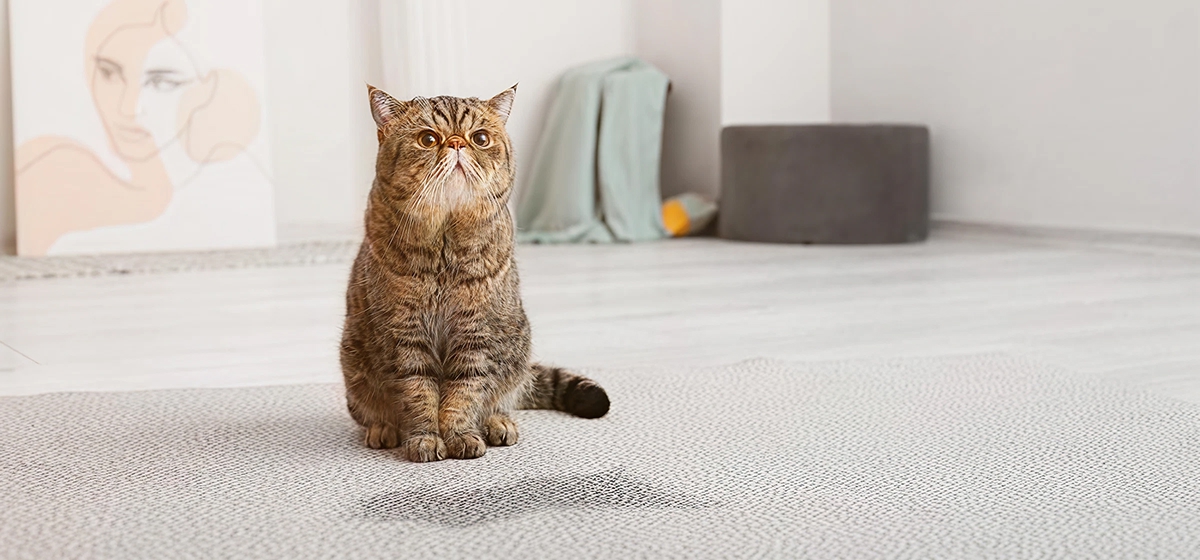
The four rules for any carpet stain
- Act fast. A fresh stain is easier to clean than an old stain, and the first ten minutes matter. Acting quickly is the single biggest factor in whether stains come out at all.
- Blot, do not rub. Press a clean kitchen paper or clean paper towel into the mark from the outside in to keep stains from spreading deeper into the carpet pile. Blotting is preferable to scrubbing when removing stains to prevent fraying of carpet fibres.
- Spot-test every cleaning solution on a hidden area first, such as inside a wardrobe or under a sofa. Different carpet fibres react differently to cleaning products, and a spot test can save a worse problem later.
- Using cold or lukewarm water is recommended for organic stains like blood or protein, as hot water can set the stain permanently.
Know your carpet before you reach for a stain remover
The type of carpet fibre decides which cleaning products are safe. Synthetic carpet fibres like polypropylene, polyester, and nylon generally handle vinegar or oxygen-based cleaners because the fibres are resilient. Many synthetic carpets are also bleach-cleanable, but make sure to check the specification to make sure. Wool is less straightforward, and you should only use cool water and wool-safe detergents; diluted bleach will lift the colour, and hot cleaning can felt the pile.
Identifying the type of stain before treatment matters as much as identifying the carpet. Different stains need specific chemical reactions, and using the wrong cleaning solution can set the stain instead of lifting it. If you're unsure, press a clean white cloth against the mark and check the transfer; the colour tells you whether the stain is oil-based, water-based, or protein.
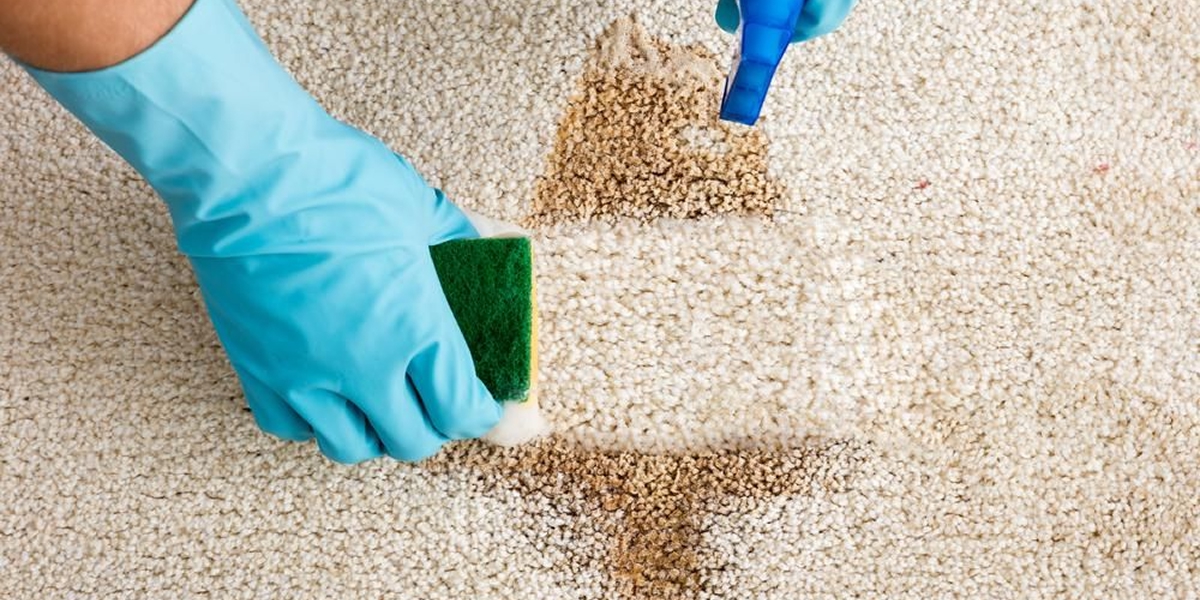
Carpet stain removal, stain by stain
The methods below cover how to remove stains from your carpet.
Red wine stains
Acting quickly turns a red wine spill from a disaster into a wipe-up, and red wine stains usually lift fully if you get to them inside the first ten minutes.
- Blot the fresh spill immediately with clean kitchen paper, lifting as much liquid as you can.
- Cover the stain with a generous layer of baking soda or salt to draw the pigment up. Leave for a couple of hours, then vacuum.
- If a red wine stain still shows, mix a cup of warm water with one tablespoon of white vinegar and one teaspoon of washing-up liquid. Dab onto the affected area, gently work from the edge inward, and lift the liquid with a clean paper towel.
- Finish with clean water on a damp cloth, then leave to air dry before walking on it.
Avoid hot water on a red wine stain. Heat can lock the tannins and fruit pigments into the carpet pile, which turns a recoverable spill into one of the tough stains that needs a professional.
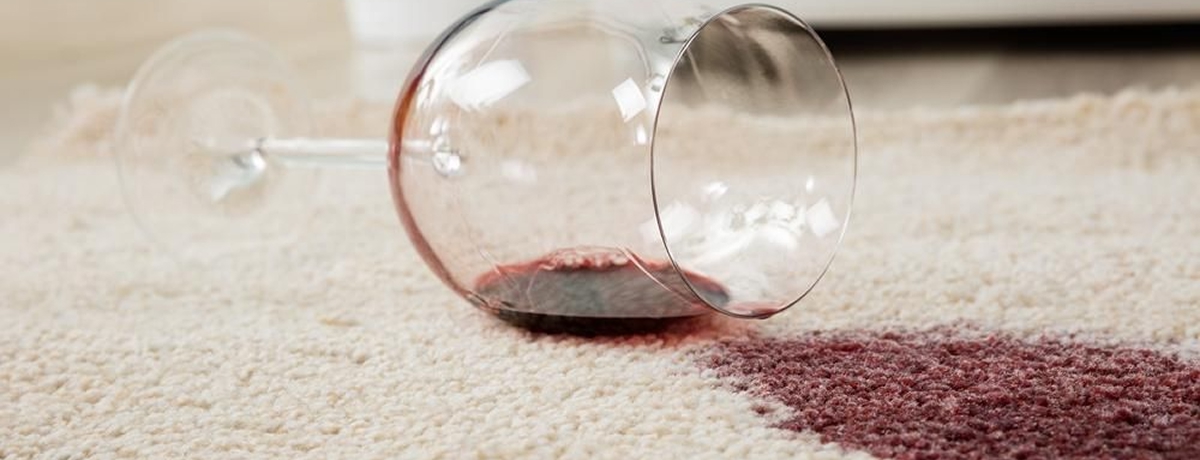
White wine stains
White wine looks harmless, but the sugar leaves a sticky mark once dry, and the acid can lighten the colour of a dark carpet.
- Blot the white wine spill with kitchen paper, absorbing as much as you can.
- Spray a cleaning solution of one part white vinegar to three parts cold water onto the affected area.
- Lift with a clean towel, working outward from the middle.
- Blot dry with a fresh towel and leave the area to air.
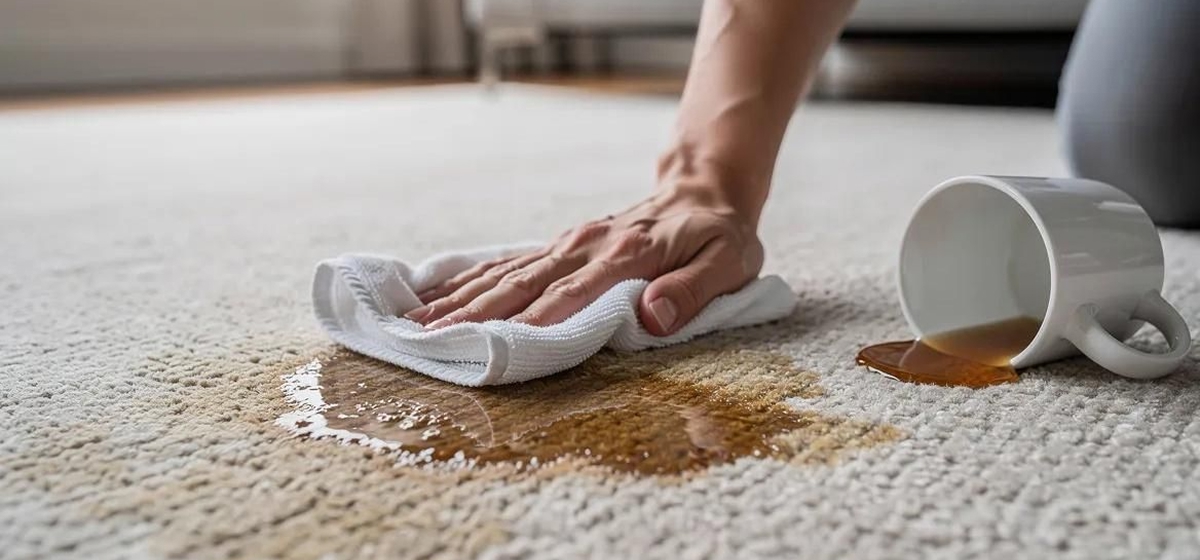
Coffee stains
Coffee is the other drink mark on the most-asked list.
- Press clean kitchen paper into the coffee spill to lift as much liquid as possible.
- Mix one tablespoon of white vinegar, one teaspoon of mild dish soap, and two cups of warm water.
- Apply with a clean cloth, press into the stain, and repeat two or three times until the coffee lifts.
- Finish the treated area with clean water and leave to dry.
For an older coffee mark, you may need to repeat, and a carpet stain remover with an oxygen booster is worth keeping on hand.
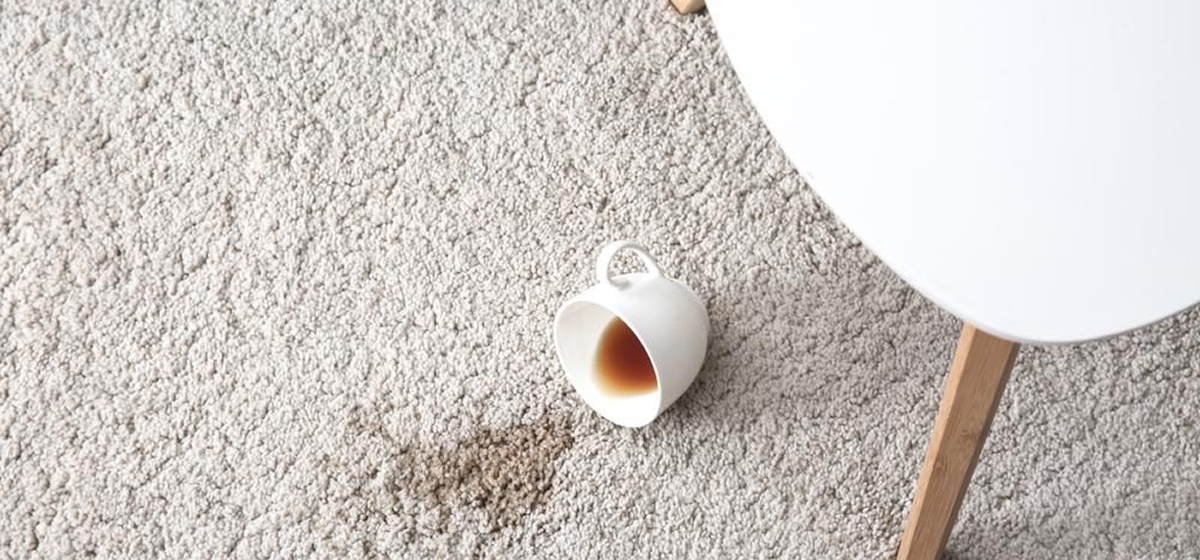
Tea stains
Treat tea the same way as a coffee spill but a touch gentler.
- Press a clean towel with cold water into the spill.
- Spray a solution of one part vinegar to three parts cold water.
- Lift with an absorbent cloth.
- Rinse lightly and leave to dry. Milky tea left overnight adds a protein layer, so do not let those stains sit.
Blood stains
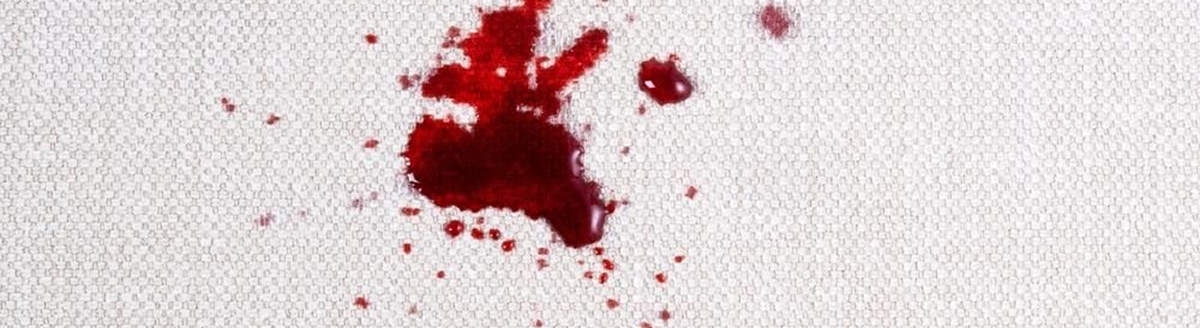
Use cold water only as heat locks the protein into the carpet fibre and blood stains become near-impossible to shift.
- Blot a damp kitchen paper with cold water onto the fresh blood stain.
- Mix a few drops of mild dish soap with two cups of cold water in a spray bottle.
- Spray lightly, press with a clean paper towel, and repeat until the stain lifts.
- For dried blood stains, make a paste of salt and cold water, leave for 10 minutes, then lift with kitchen paper.
Pet urine, faeces and pet accidents
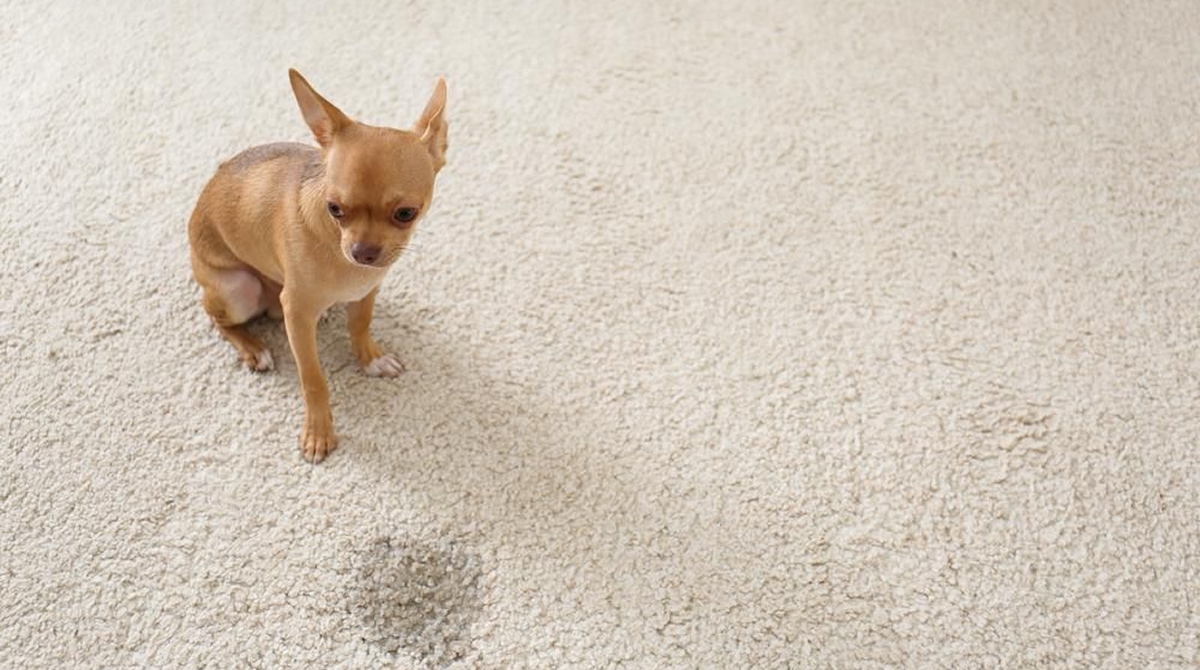
Enzymatic cleaners break down the proteins that cause the smell and the pigment that turns accidents into one of the stubborn stains you cannot mask.
- Scoop solids with a disposable cloth or bag, then blot kitchen paper into the wet area to absorb the liquid.
- Flush the stained area with cold water, then press dry with a clean towel.
- Apply an enzymatic cleaner per the bottle instructions, usually 10 to 15 minutes contact time.
- Dry thoroughly and air the room out.
Avoid ammonia-based cleaning products on pet accidents. The smell mimics urine and encourages pets to re-mark. Check out our pet friendly flooring or read our guide on the best carpet for pet households for more tips.
Vomit stains
Work quickly; acid in vomit can etch the carpet pile if the stain is left.
- Scoop solids with a disposable scraper and press kitchen paper into the wet area.
- Cover the mark with baking soda (bicarbonate of soda), leave for 15 minutes to absorb the moisture and odour, then vacuum.
- Apply an enzymatic cleaner or a mild washing-up liquid solution.
- Lift clean with a damp sponge and leave to dry thoroughly.
Chocolate stains
Solid chocolate needs scraping before any cleaning solution goes near it, wet cleaning on soft chocolate just spreads the stain.
- Lift solids with a spoon.
- Mix a teaspoon of mild dish detergent into a cup of warm water.
- Press with an absorbent cloth from the edge inward.
- Rinse with water and leave to dry.
Tomato and tomato sauce
Acidic and pigmented, so tomato stains usually want two passes through the cleaning method.
- Scrape solids with a spoon.
- Press a clean towel with cold water into the mark.
- Spray a solution of one part vinegar to two parts cold water, then lift.
- Finish with a teaspoon of mild dish detergent in a cup of warm water, press, rinse, and leave to dry.
Grease and food oil
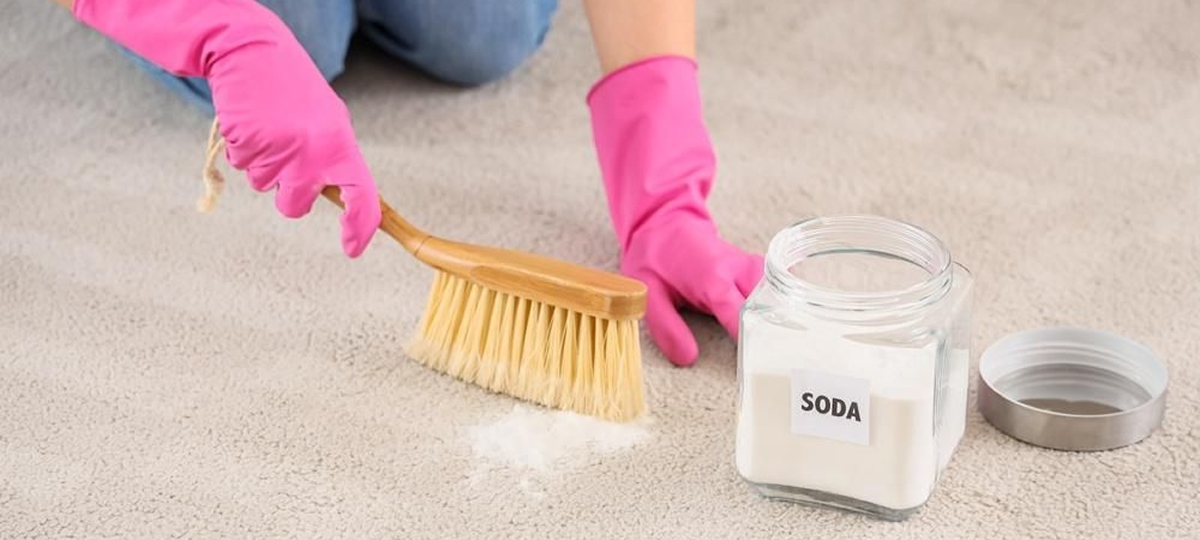
Absorb the oil before wet cleaning, as water spreads grease. Powder lifts it, which is why sprinkle baking soda is step one on most grease stains.
- Cover the grease with cornflour or a layer of baking soda, leave for 15 minutes.
- Vacuum up the powder.
- Dab with a teaspoon of washing-up liquid in a cup of warm water.
- Lift with clean kitchen paper and leave to dry thoroughly.
Mud stains
Counter-intuitive but true: let the mud dry before you touch it.
- Leave the mud to dry, even if that means overnight.
- Vacuum thoroughly.
- Treat any remaining shadow with a washing-up liquid solution on a clean cloth.
- Let the carpet air dry completely.

Hair dye stains
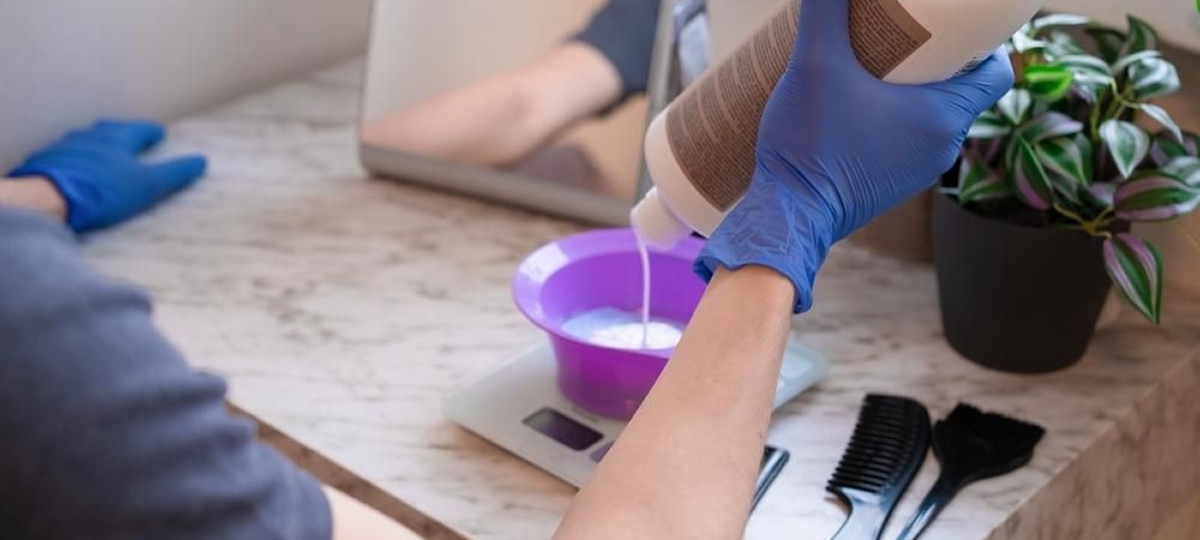
One of the hardest carpet stains, because dye is formulated to fix to fibre.
- Blot carefully with kitchen paper onto wet dye.
- Mix a teaspoon of mild dish detergent and a tablespoon of white vinegar in two cups of warm water.
- Work from the edge inward with a clean cloth.
- On light carpets only, a very dilute hydrogen peroxide on a cotton bud is the last resort. Hydrogen peroxide lightens the pile, so spot test in a hidden area and wait 10 minutes before treating the visible stain.
Ink stains (biro, felt tip, fountain pen)
Isopropyl alcohol (IPA), sold as rubbing alcohol, is the workhorse for ink stains.
- Press kitchen paper onto fresh ink.
- Dab IPA onto a clean cloth and press onto the mark.
- Lift, do not rub. Turn the cloth as the ink transfers.
- Finish with water and leave the carpet to dry.
Make-up stains
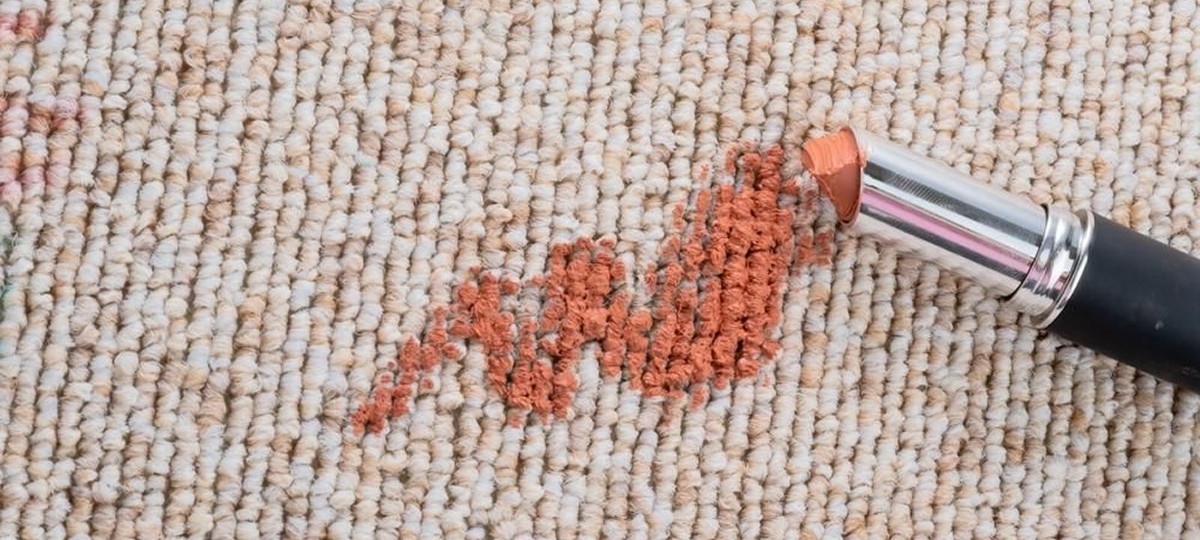
Foundation and lipstick are oil-based; mascara is water-based.
- Scrape solids off with a spoon.
- For oil-based make-up, dab IPA on a clean paper towel.
- For water-based marks, a washing-up liquid solution is enough.
- Rinse lightly and dry.
Nail polish stains
Work outward from the edge so you do not spread the pigment.
- Press kitchen paper onto the spill.
- Dab non-acetone nail polish remover onto a clean towel.
- Press onto the mark, lift, and repeat.
- Never use acetone on acrylic or wool blends. Rinse and leave to dry.
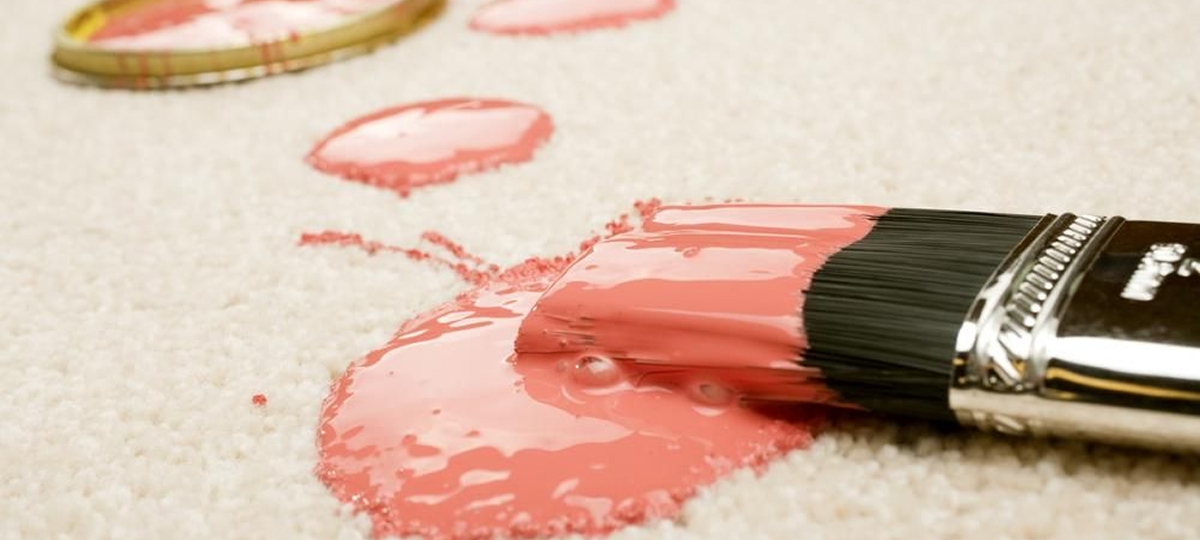
Paint stains (water-based)
Water-based paint has to be treated wet. Once it sets, it is a scrape job.
- Press a damp cloth into the wet paint.
- Mix one teaspoon of washing-up liquid in a cup of lukewarm water.
- Dab, rinse, repeat.
- Dry before it sets.
Paint stains (oil-based)
Oil-based paint needs a solvent and gentle handling.
- Lift wet paint with kitchen paper.
- Dab white spirit or turpentine on a clean cloth.
- Follow with a teaspoon of washing-up liquid in lukewarm water to clean.
- Dry carefully without soaking the carpet backing.
Oil stains (cooking or motor)
The stain removal process is similar to grease stains, but the mark often sets deeper into the carpet pile.
- Cover with baking soda, leave for 10 to 15 minutes, vacuum.
- Dab with a teaspoon of mild dish detergent in a cup of lukewarm water.
- Lift with a damp sponge.
- Dry thoroughly. Hot water on the first pass spreads the oil.
Chewing gum stains
Harden before lifting, scraping warm gum drives it deeper into the carpet.
- Press a bag of ice cubes onto the gum for 10 minutes until solid.
- Scrape off with the back of a spoon or a blunt knife.
- Dab residue with methylated spirit on a clean paper towel.
- Finish with water and leave to dry.
Candle soot stains
Do not touch soot before you vacuum; it smudges instantly!
- Vacuum with the upholstery attachment, no pressure on the pile.
- Cover any remaining mark with a thin layer of baking soda, leave for 15 minutes, vacuum again.
- Dab any shadow with a washing-up liquid solution on a damp sponge.
Wax stains
Harden, lift the bulk, then iron the residue out.
- Press a bag of ice over the wax to harden.
- Scrape the bulk off with a blunt knife.
- Lay a brown paper bag or clean towel over the residue and press with an iron on a low setting, no steam.
- Replace the paper as the wax lifts and repeat until clean.
When to buy a carpet stain remover
For stubborn stains, tough stains, or old carpet stains, a commercial carpet stain remover can save the day. The best carpet stain removers are designed to tackle even the toughest stains like red wine, old grease stains or pet-related stains with minimal effort. Just make sure to spot test any commercial carpet stain remover in a hidden area before its first use, and always read the label against your carpet fibre before you spray.
When to call a professional
Most DIY methods work on new stains. Old stains, marks covering a large area, or spills on a delicate wool blend are worth escalating. Professional cleaning services use hot-water extraction and machines that can reach deep into the carpet, helping to remove tough stains and odours that DIY methods miss. Hiring a professional can save time and effort, especially on old stains that have set into the backing.
If you have tried two rounds of DIY cleaning and the mark is still there, it may be time to stop before you damage the carpet pile. Some stains, such as ink, paint, and heavy grease, may need a deep clean from a professional carpet cleaner anyway. If the verdict isn't good, check out our guide on repairing a carpet, which may work for small stains.
Prevent the next carpet stain
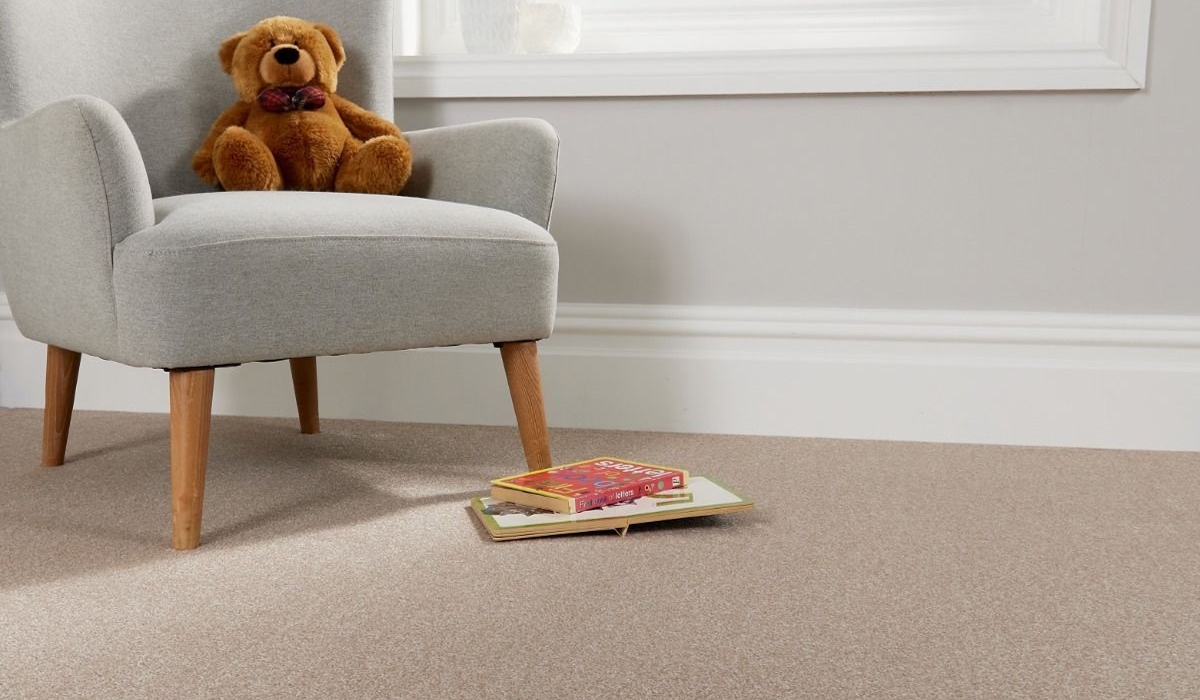
Choosing a stain-resistant carpet is the easiest way to prevent stains! Our Cosy Saxony carpet collection is bleach cleanable, stain resistant, with an 11mm polypropylene pile that's easy to keep clean. The Walkover Range or the premium Aspire Scale Luxury Grey Twist are also stain-resistant, bleach-cleanable polypropylene twists that handle household stains without fading.
A few more tips to keep your carpet looking fresh:
- Regular vacuuming and cleaning between deep cleans.
- A doormat at every outside door reduces the mud reaching the carpet.
- Removing shoes before walking on the carpet helps to stop dirt and debris from tracking in.
- Keeping cleaning supplies handy for when a spill occurs.
Time for a new carpet?
For some carpets, sometimes replacing your carpet is the only option. At Best4Flooring we stock hundreds of beautiful carpets to transform your home. From luxurious Saxony to everyday twist pile and resilient loop pile, you're guaranteed to find a style you love. Enjoy free samples and named delivery on all carpets. Browse our full carpet range now and feel inspired.
FAQs
How do you get old stains out of carpet?
Old stains need patience. If a stain has sat for weeks and will not lift, an enzymatic cleaner for protein marks, or a dilute vinegar solution for general stains, is worth a last attempt before you call a professional carpet cleaner.
Does baking soda (bicarbonate of soda) remove carpet stains?
Baking soda is an absorber rather than a cleaner. Sprinkle baking soda onto grease, oil, vomit, or a wet mark, leave for 15 minutes, then vacuum. It pulls moisture and odour from the fibre before you treat the stained area with a cleaning solution.
What is the best carpet for pet stains?
A stain-resistant, bleach-cleanable, short or medium pile in a mid to dark tone. Check out our pet-friendly carpet guide for all the advice you need.
Does hydrogen peroxide damage carpet?
It can. Hydrogen peroxide lightens the pile, so it is only safe on white or very light carpets and only at low concentration. Spot test hydrogen peroxide in a hidden area, wait 10 minutes, and check for any colour change before treating the visible stain.
Can I use a carpet shampoo machine on any stain?
Most, yes, but not all. A carpet shampoo machine works well for general refresh, and for coffee stains or tea stains. It is less useful on grease, oil, ink, or pet accidents, which need a pre-treatment with the right cleaning solution first. Check the manufacturer's guidance for your carpet: some wool and delicate blends are not shampoo machine safe.
Does vinegar remove carpet stains?
It can. Diluted one part vinegar to two or three parts water in a spray bottle, vinegar lifts coffee stains, tea stains, fruit juice, and light pet marks from most carpets. Synthetic carpet fibres handle vinegar well. On wool, use cool water with a wool-safe detergent instead, and always spot test first.
Can you use bleach on carpet?
Only on bleach cleanable ranges. These use polypropylene fibre that is colour locked, so diluted bleach will not fade the pile. Anything labelled bleach cleanable will say so on the spec sheet; on any other carpet, bleach will strip the colour and leave a worse mark than the original stain. Always dilute, spot test, and rinse clean afterwards.
How long does a carpet stain have before it will not come out?
Most carpet stains are easiest to remove within the first hour. After 24 hours, most liquids have dried into the backing and need two or three treatment passes. A fresh stain is always easier to clean than an old stain that has set into the carpet pile.
What is an enzymatic cleaner?
An enzymatic cleaner uses natural enzymes to break down protein-based stains like urine, vomit, blood, and food. Instead of masking the mark, the enzymes digest the organic material, which is why they are the right tool for pet accidents. Most need 10 to 15 minutes of contact time to work.